
Return Policies, Extended Warranties, and Manufacturer Guarantees: What Each One Actually Covers
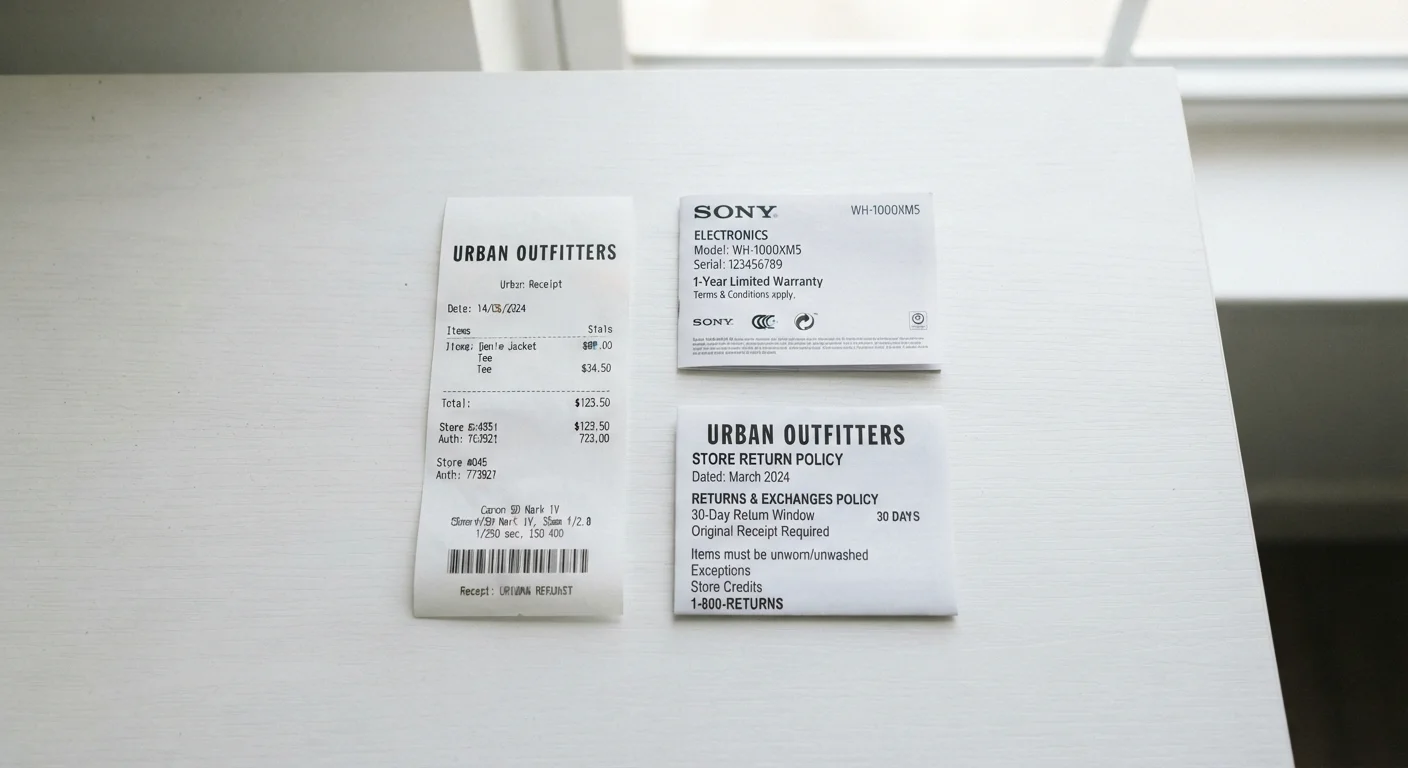
Photo credit: ResultsRover.com | Insights You Can Trust
In this article
Confused by overlapping purchase protections? Learn exactly what return policies, extended warranties, and manufacturer guarantees each cover.
Key Takeaways
- Return policies are set by retailers and typically cover a short window after purchase, regardless of whether the product is defective.
- Manufacturer warranties cover defects in materials or workmanship for a defined period and are legally governed by federal and state law.
- Extended warranties are paid contracts — often from third parties — that kick in after the manufacturer warranty expires.
- These three protections have different triggers, time frames, and claim processes; you may be able to use more than one.
- Always read the exclusions: wear and tear, accidental damage, and misuse are commonly excluded from all three.
The Three Protections — and Why They're Not Interchangeable
When something goes wrong with a purchase, most people head straight back to the store. That instinct is right sometimes — and wrong others. Return policies, manufacturer warranties, and extended warranties each cover different problems, operate on different timelines, and require different steps to use. Treating them as interchangeable is one of the most common and costly mistakes shoppers make.
For a broader orientation to these overlapping rights, the full picture on returns, warranties, and consumer rights is a useful starting point. This article focuses on what separates each protection and what each one actually covers.
30 days
Typical retail return window for electronics
Many major U.S. retailers set a 15–30 day return window for electronics, significantly shorter than for general merchandise.
1 year
Common manufacturer warranty duration for consumer electronics
One year is the most frequently offered manufacturer warranty term for electronics in the U.S. market, though appliance warranties sometimes extend to two or more years.
~55%
Consumers who don't read warranty terms before purchase
Consumer research has consistently found that a majority of buyers do not review warranty documentation before or shortly after purchase, leaving them unaware of key exclusions.
Return Policies: The Retailer's Rules
A return policy is a retailer's own agreement about when and how it will accept merchandise back. It is not a legal requirement in most U.S. states — retailers can set nearly any terms they choose, as long as those terms are disclosed before purchase. What this means in practice: the rules vary enormously.
Most return windows run from 14 to 90 days. Some retailers accept returns only with original packaging. Others charge restocking fees, particularly on electronics or large appliances. "Final sale" items typically cannot be returned at all. For a detailed look at the fine print that catches shoppers off guard, see our breakdown of restocking fees, final sale items, and return policy fine print.
Critically, return policies don't require a product to be defective. You can return something you simply changed your mind about — if the policy allows it. Conversely, a retailer can refuse a return on a defective item if the return window has passed, even if the manufacturer warranty is still active. The two operate independently.
Return policies for online purchases add another layer of complexity, including who pays for return shipping and how long refunds take to process. Our article on how online return rules differ from in-store walks through the key distinctions.
Check the Policy Before You Need It
Return windows can be shorter than you expect — especially for electronics, mattresses, and seasonal items. Make a habit of reviewing the return policy at the time of purchase, not when something goes wrong. Screenshot it or note the deadline so you're not caught off guard.
Manufacturer Warranties and Guarantees: What the Maker Promises
A manufacturer warranty — sometimes called a manufacturer's guarantee — is a written commitment from the company that made the product. It typically promises to repair or replace the item if it fails due to defects in materials or workmanship within a specified period. This protection comes with the product at no additional cost.
The scope of a manufacturer warranty is narrower than many shoppers expect. Common exclusions include: normal wear and tear, cosmetic damage, damage from misuse or accidents, and failures caused by unauthorized repairs. If you use a product outside its intended purpose and it breaks, the warranty likely won't apply.
There's also an important legal layer here. Beyond written warranties, most consumer products carry implied warranties under state law — default protections that exist even when nothing is written down. These include the implied warranty of merchantability, meaning the product should work for its ordinary purpose. For a detailed comparison, the article on implied warranties vs. express warranties explains how each applies.
To make a warranty claim, you generally contact the manufacturer directly — not the retailer. Registration helps, though it's usually not legally required to have coverage under federal law. Proof of purchase almost always is. Common misconceptions about what voids or preserves warranties are covered in our piece on warranty myths that cost shoppers money.
Extended Warranties: Paid Coverage After the Manufacturer Period
Extended warranties — more precisely called service contracts or extended service plans — are paid agreements that provide coverage after the manufacturer warranty expires. They are sold by retailers, manufacturers, or third-party administrators, and the terms vary widely between providers.
What they typically cover: repair costs, parts, and sometimes labor for mechanical or electrical failures. What they often exclude: accidental damage (unless specifically added), cosmetic damage, consumables like batteries, and pre-existing conditions. The price, deductible structure, and claim process depend entirely on the specific contract you sign.
One important distinction: an extended warranty is a contract, not a warranty in the legal sense. That means its enforceability and the financial stability of the company backing it matter. If the issuing company goes out of business, the contract may be worthless. This is one reason the case for and against extended service plans article takes a deliberately measured view of their value.
Before purchasing an extended plan, check whether your credit card already extends manufacturer warranty coverage automatically — many do. Our article on credit card protections vs. manufacturer warranties explains how that overlap works. You may already have more coverage than you realized.
“Service contracts sold at retail are often structured more favorably for the seller than the buyer. Before you pay extra for extended coverage, understand exactly what the base warranty already provides — and what your credit card may already cover.”
— Consumer Financial Protection Bureau, U.S. federal consumer financial watchdog agency
Using Multiple Protections Strategically
These three protections aren't mutually exclusive — in many situations, you can layer them. A product that fails within the return window can go back to the retailer outright. The same failure two months later might be a manufacturer warranty claim. A failure after the manufacturer warranty expires could be covered by an extended plan or your credit card's warranty extension benefit.
The key is knowing which layer applies to your situation before you make contact. Calling a retailer about a warranty issue — or a manufacturer about a return — wastes time and can create confusion about your actual options. Keeping documentation organized matters too: receipts, warranty cards, and purchase confirmations are the proof that makes claims go smoothly. See our guide on protecting major purchases before something goes wrong for practical habits to build before you need them.
For a concise reference covering all the key terms in one place, the post-purchase protections reference guide is a useful bookmark. And if you want to compare the two most commonly confused protections side by side, warranty vs. return policy breaks down exactly where they diverge.
This article provides general consumer information about purchase protections and is not legal or financial advice. Policies, warranty terms, and consumer protection laws vary by retailer, manufacturer, state, and situation. Consult relevant professional or official sources for guidance specific to your circumstances.
Frequently Asked Questions

Author
Smart Shopping Editorial Team
Smart Shopping Editorial Team is the collective byline for our editorial team and contributor network. Articles published under this byline or an editorial pen name are researched, written, and reviewed according to our editorial standards for clarity, consistency, and independence before publication.
View all articles →