
Common Pet Health Myths That Vets Hear Every Week
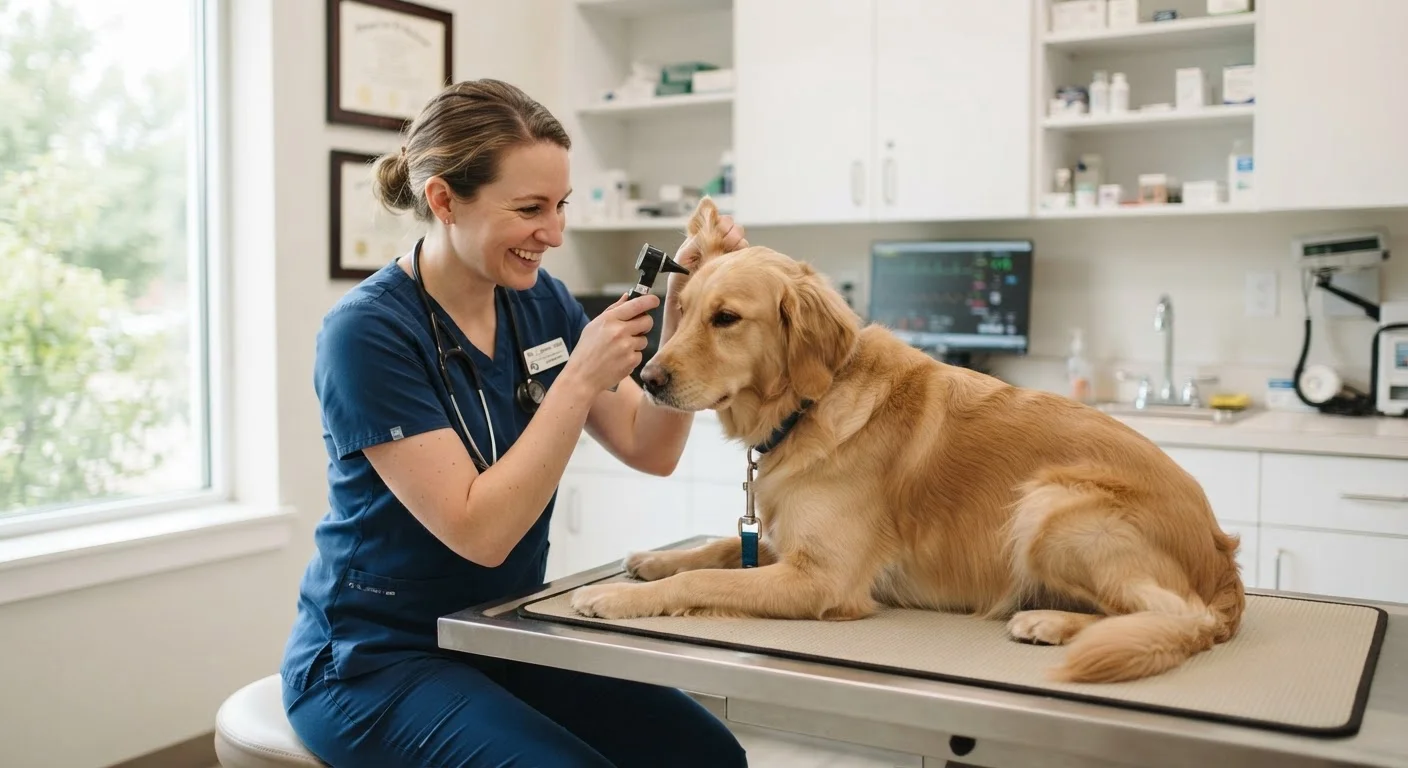
Photo credit: ResultsRover.com | Insights You Can Trust
In this article
From 'dogs' mouths are cleaner than humans' to 'cats always land safely' — vets debunk widespread beliefs that can put pets at risk.
Key Takeaways
- A dog's mouth is not cleaner than a human's — both carry bacteria suited to their own biology.
- Cats do not always land safely; high falls cause serious, sometimes fatal injuries.
- A dry or warm nose does not reliably indicate illness in dogs.
- Indoor cats still need regular veterinary care and can develop serious health conditions.
- Grass-eating is common dog behavior and does not always signal an upset stomach.
Why Pet Health Myths Persist — and Why They Matter
Misinformation about pet health travels fast — through well-meaning family advice, social media posts, and decades of pop-culture shorthand. Most pet owners act on what they genuinely believe is true. But some of the most widely repeated beliefs are either oversimplified or flatly wrong, and acting on them can delay diagnosis, discourage vet visits, or create a false sense of security.
The myths below are ones veterinarians hear repeatedly. Correcting them is not about judgment — it's about giving everyday owners the accurate information they need to catch problems early and make confident care decisions. For a broader look at what routine checkups can catch that owners often can't, see why vet visits matter more than many owners realize.
Myth
A dog's mouth is cleaner than a human's, so letting them lick your face or wounds is harmless.
Fact
Dogs and humans carry different oral bacteria suited to their own biology — neither mouth is categorically "cleaner."
This comparison doesn't hold up under scrutiny. Dogs' mouths contain bacteria like Pasteurella, Capnocytophaga, and various other microorganisms that are normal for them but potentially problematic for humans — particularly those who are immunocompromised. Similarly, human oral bacteria would be foreign to a dog. The comparison was never scientifically valid; it appears to have originated from the observation that dogs lick their wounds (a behavior that can actually introduce bacteria and slow healing). Routine hygiene after pet contact, especially around wounds or mucous membranes, is always advisable. For more on infections that can cross between pets and people, see what pet owners should know about zoonotic diseases.
Myth
Cats always land on their feet, so falls from height aren't a serious concern.
Fact
Cats have a righting reflex that often orients them feet-first, but high falls still cause significant injuries — and sometimes death.
The "righting reflex" is real: cats can rotate their bodies mid-fall to orient their feet downward. However, this reflex doesn't eliminate the force of impact. Falls from even moderate heights can cause broken legs, ruptured bladders, chest trauma, and jaw fractures — a set of injuries veterinarians sometimes call "high-rise syndrome." Survivability depends heavily on the height, landing surface, and the individual cat. Falls from second- or third-story windows represent a meaningful emergency risk. Window screens and balcony barriers are important safety measures, not optional extras.
Myth
A dry or warm nose means my dog is sick.
Fact
Nose temperature and moisture vary naturally throughout the day and are not reliable indicators of illness.
A dog's nose can be dry after a nap, warm after exercise, or cool and wet for no particular reason. These variations are normal. While a persistently cracked, discolored, or heavily crusted nose can sometimes signal a dermatological issue worth mentioning to a vet, the simple dry-warm test is not a diagnostic tool. More meaningful signs of illness include changes in appetite, energy level, water intake, bathroom habits, or behavior. Relying on nose temperature alone can give owners false reassurance — or cause unnecessary worry — when neither is warranted.
Myth
Cats don't need vet visits if they live indoors — they're not exposed to anything.
Fact
Indoor cats still develop dental disease, obesity, urinary conditions, and other health problems that require regular veterinary monitoring.
Indoor living reduces certain risks — parasites picked up outside, injuries from fights, exposure to some infectious diseases. But it doesn't make a cat immune to illness. Dental disease affects the majority of cats over age three regardless of lifestyle. Obesity is more common in indoor cats, partly due to reduced activity. Urinary tract issues, hyperthyroidism, and kidney disease are all common in indoor cats and often progress silently. Annual wellness exams remain important for early detection. See how health needs shift as pets age for guidance on what to watch for over time.
Myth
Dogs eat grass because they have an upset stomach and want to vomit.
Fact
Grass-eating is a common, normal canine behavior with no single confirmed cause — most dogs that eat grass do not vomit afterward.
Research on grass-eating in dogs suggests the behavior is widespread and typically not associated with illness. Studies have found that the majority of dogs who eat grass do not appear ill beforehand and do not vomit after. Some researchers suggest it may be an instinctive behavior inherited from ancestral dogs, possibly related to fiber intake or gut parasite management. Occasional grass-eating in an otherwise healthy dog is generally not a cause for alarm. However, if a dog is eating grass compulsively or vomiting frequently, a veterinary evaluation is appropriate to rule out gastrointestinal issues.
Myth
An older pet slowing down is just normal aging — there's nothing a vet can do about it.
Fact
Slowing down can be a sign of treatable conditions like arthritis, hypothyroidism, or pain — not just inevitable aging.
It's easy to attribute reduced activity, stiffness, or reluctance to climb stairs to "just getting old." But many of the conditions that cause these symptoms in senior pets are manageable with veterinary care. Osteoarthritis, for example, is both common and frequently undertreated in dogs and cats. Hypothyroidism in dogs, hyperthyroidism in cats, dental pain, and cognitive dysfunction are other conditions that can present as simple slowing down. A veterinarian can assess whether behavioral or physical changes represent normal aging or a condition where intervention would meaningfully improve quality of life. Senior pet care guidance can help owners know what to watch for and when to ask questions.
What These Corrections Mean for Day-to-Day Pet Care
Replacing a myth with an accurate fact is only useful if it changes something about how you observe and care for your pet. Here are a few practical takeaways from the corrections above.
When "Wait and See" Becomes a Risk
Many pet health myths share a common thread: they encourage owners to dismiss symptoms or delay seeking care. A dog that's lethargic, a cat that's drinking more water than usual, or any pet that stops eating for more than a day warrants a call to your veterinarian — not a wait-and-see approach based on a rule of thumb. Early intervention typically leads to better outcomes and lower treatment costs.
- Observe behavior changes, not just physical cues. Reduced appetite, unusual lethargy, changes in drinking or litter-box habits, and shifts in social behavior are often more reliable early-warning signs than nose temperature or coat condition.
- Don't skip annual wellness exams because your pet "seems fine." Many conditions — dental disease, early kidney decline, weight changes — develop silently. Routine exams exist precisely to catch what owners can't see. See what a wellness exam actually covers for a closer look.
- Oral health is not optional. Dental disease is among the most underestimated health issues in both dogs and cats. Learn more in our guide on why pets need dental care.
- Indoor pets need care too. A cat living entirely indoors can still develop obesity, dental disease, urinary problems, and behavioral issues. Lifestyle modifications don't eliminate health risk — they change its shape.
~80%
Cats with dental disease by age 3
According to the American Veterinary Dental College, most cats show signs of dental disease by the time they are three years old.
Over 50%
U.S. dogs and cats classified as overweight
The Association for Pet Obesity Prevention's annual surveys have consistently found that more than half of American dogs and cats are overweight or obese.
This article is for general informational purposes only and does not constitute veterinary advice. Always consult a licensed veterinarian for guidance specific to your pet's health needs.

Author
Pets & Animals Editorial Team
Pets & Animals Editorial Team is the collective byline for our editorial team and contributor network. Articles published under this byline or an editorial pen name are researched, written, and reviewed according to our editorial standards for clarity, consistency, and independence before publication.
View all articles →