
DIY vs. Licensed Contractor: A Realistic Framework for Deciding
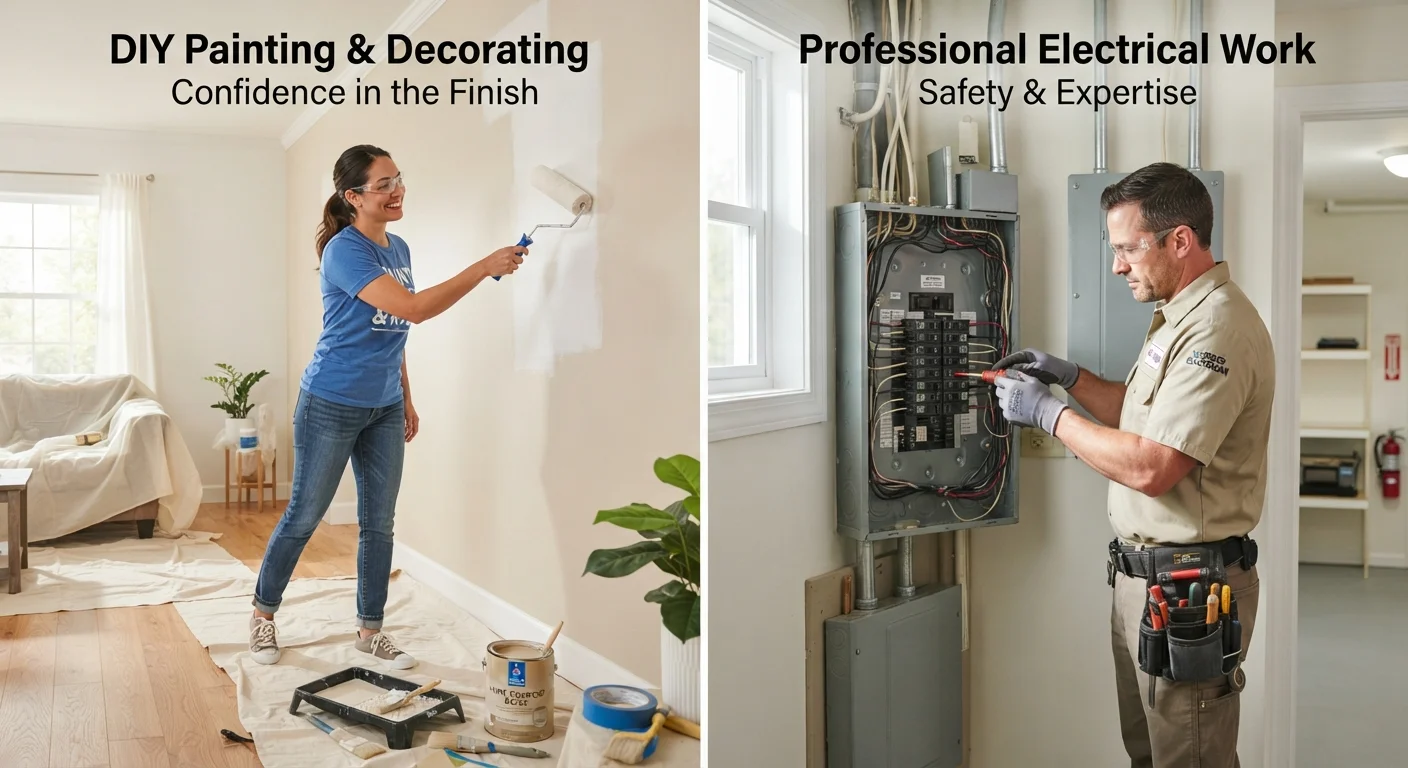
Photo credit: ResultsRover.com | Insights You Can Trust
In this article
Some repairs are genuinely DIY-friendly. Others require a licensed pro for safety or code reasons. Here's how to tell the difference.
Key Takeaways
- DIY is appropriate for low-risk tasks that don't require permits, specialized tools, or trade licensing.
- Electrical, gas, structural, and plumbing-into-mains work typically requires a licensed contractor and often a permit.
- Skipping a required permit can void homeowner's insurance and complicate a future home sale.
- Honest self-assessment of your skills, tools, and time is the foundation of a sound DIY decision.
- A licensed contractor brings liability insurance and warranty protections that DIY cannot replicate.
The Core Question: Risk, Not Just Cost
Most homeowners frame the DIY-vs.-contractor decision around money - and cost matters. But the more important axis is risk: risk to your safety, to your home's structure, and to your legal standing with local building codes. Savings evaporate quickly if a DIY repair causes a fire, a flood, or a failed home inspection.
A practical framework starts with three questions:
- Is a permit required? If your municipality requires a permit, the work typically also requires a licensed trade. Verify with your local building department before starting.
- What happens if it goes wrong? A botched paint job costs a weekend. A botched gas line can cost lives.
- Do I actually have the skills and tools - not just the confidence? Watching a tutorial is not the same as having hands-on experience. Be honest with yourself.
See our guide to home improvement permits for a breakdown of which projects commonly require official approval and why bypassing permits can be far more costly than the permit itself.
What DIY Handles Well
A wide range of routine maintenance and cosmetic tasks are genuinely DIY-friendly for a homeowner with basic tools and patience. These jobs share common traits: they're reversible, they don't touch critical systems, and they rarely require permits.
- Interior painting and wallpaper removal
- Caulking around tubs, sinks, and windows
- Replacing outlet covers, switch plates, and light fixtures (on existing circuits - not new wiring runs)
- Installing ceiling fans on existing junction boxes
- Patching drywall holes up to a few inches in diameter
- Replacing faucets and showerheads (no supply-line rerouting)
- Basic landscaping, mulching, and garden bed maintenance
- Refinishing or repainting cabinets
The common thread: these projects have a clear how-to process, forgiving timelines, and consequences of error that are manageable - typically cosmetic or minor and fixable.
Start With a Small Test Project
If you're new to a particular skill - tiling, drywall finishing, or trim carpentry - practice on a low-stakes area first, like a closet or utility room. A small-scale test reveals whether you have the patience and aptitude before you commit to a larger, more visible space. It also gives you a realistic sense of how long the work actually takes.
When a Licensed Contractor Is Required
Certain categories of work are regulated for good reason. Mistakes in these areas create hazards that aren't always visible - a wiring error can spark a fire months later; an improper gas connection can leak silently. Most jurisdictions require licensed contractors for:
- Electrical panel upgrades, new circuit runs, or service changes - These require permits, inspections, and licensed electricians in virtually every U.S. state.
- Gas line installation or repair - Gas work is tightly regulated; an uncertified repair can void your homeowner's insurance coverage.
- Structural modifications - Removing or altering load-bearing walls, adding square footage, or modifying the foundation requires engineering review and permitted work. See our room addition safety checklist before any demolition begins.
- Plumbing into mains - Connecting to or modifying the main drain, supply lines, or sewer lateral typically requires a licensed plumber and inspection.
- HVAC system replacement - Refrigerant handling requires EPA certification; new system installs require permits in most areas.
- Roofing with structural concerns - Decking replacement or structural repairs go beyond cosmetic shingle work.
Unpermitted Work Has Real Consequences
Work done without a required permit isn't just a technicality - it can void your homeowner's insurance coverage for related claims, result in fines, and force you to undo completed work before selling your home. Some mortgage lenders also flag unpermitted additions during appraisal. Always confirm local requirements before starting any regulated project.
When you hire a licensed contractor, you gain more than labor - you gain their liability insurance, manufacturer warranties on installed systems, and an inspection record that protects your home's resale value. Review our guide to decoding a contractor estimate so you know what you're paying for before you sign.
Side-by-Side: DIY vs. Licensed Contractor
This comparison covers the key factors most homeowners weigh when making the call. Note that individual circumstances - local codes, project complexity, and personal skill level - can shift any of these factors.
| Factor | DIY | Licensed Contractor | |
|---|---|---|---|
| Upfront cost | Lower - materials only | Higher - labor + materials | |
| Permit eligibility | Generally not eligible for permitted work | Can pull permits and pass inspections | |
| Safety on regulated systems | High risk if inexperienced | Trained, insured, inspected | |
| Liability if something goes wrong | Homeowner bears full liability | Contractor's insurance covers errors | |
| Impact on home insurance | Unpermitted work may void claims | Permitted work protects coverage | |
| Resale / home inspection impact | Unpermitted work can kill a sale | Inspection records support resale value | |
| Best project types | Cosmetic, low-risk maintenance | Electrical, gas, structural, HVAC |
For a deeper look at how these factors interact on specific projects, the full decision guide walks through real project scenarios in detail.
Making the Call: A Simple Decision Path
Use this sequence when you're weighing a project:
- Check permit requirements first. Call or visit your local building department's website. If a permit is required, a licensed contractor almost certainly is too.
- Assess the failure consequence. Cosmetic failure = DIY candidate. Structural, fire, flood, or health risk = licensed contractor.
- Inventory your actual skills. Have you done this type of work before, successfully? Do you own the required tools? Can you complete it safely without rushing?
- Factor in your time. A weekend project that stretches into weeks can cost more in disruption than a contractor would have charged.
- Get at least one estimate anyway. Even if you plan to DIY, a contractor's estimate tells you what the job actually involves and what materials cost. It's a useful reality check.
This article provides general home improvement guidance for informational purposes only. Building codes, permit requirements, and licensing rules vary by state and municipality. Always verify local requirements with your local building department and consult a licensed professional for projects involving electrical, gas, structural, or other regulated systems.

Author
Home & Garden Editorial Team
Home & Garden Editorial Team is the collective byline for our editorial team and contributor network. Articles published under this byline or an editorial pen name are researched, written, and reviewed according to our editorial standards for clarity, consistency, and independence before publication.
View all articles →