
Cat Vaccinations: What's Required and What's Optional
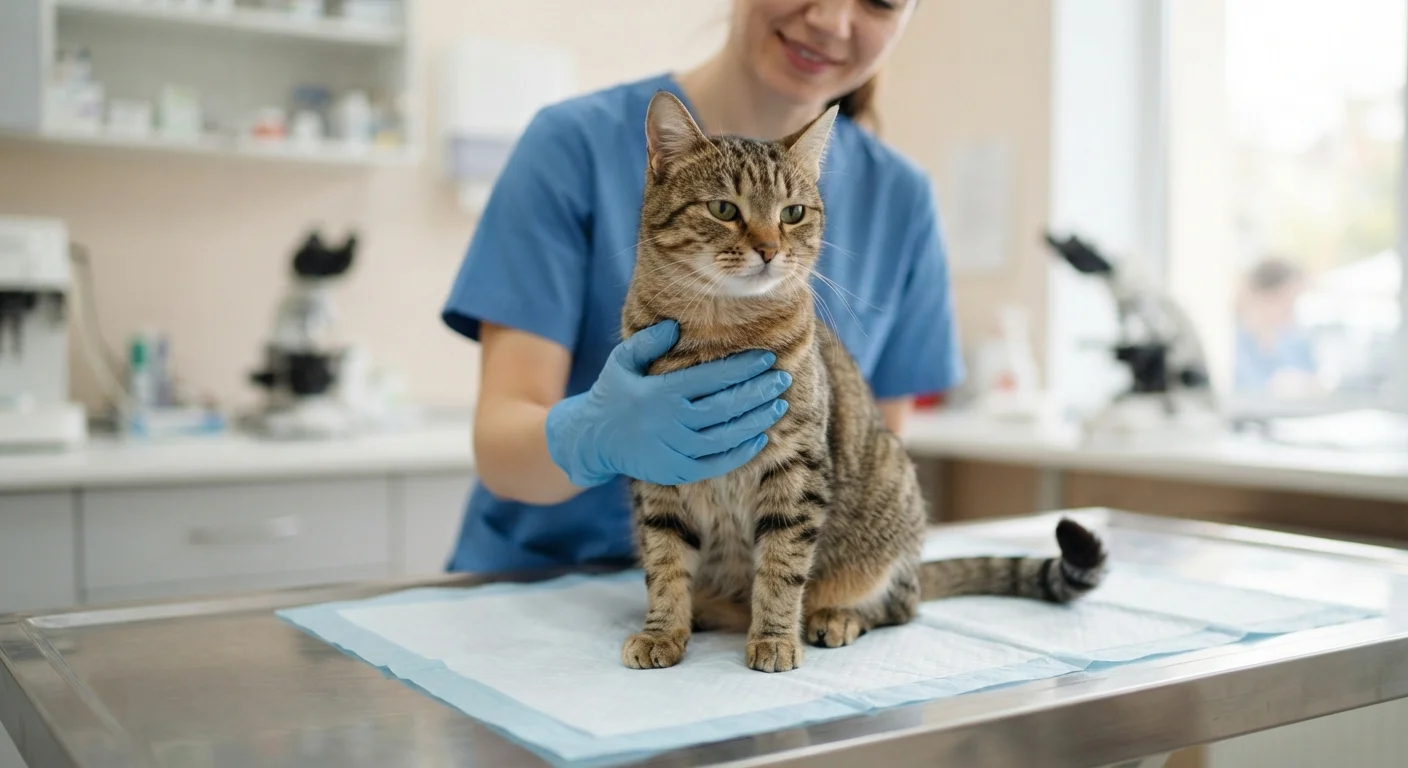
Photo credit: ResultsRover.com | Insights You Can Trust
In this article
Not every cat needs the same vaccines. Learn which are considered core for all cats and which depend on lifestyle, environment, and risk level.
Core Vaccines: What Every Cat Should Have
Veterinary guidelines distinguish between core vaccines — recommended for all cats regardless of lifestyle — and non-core vaccines tailored to individual risk. Understanding this distinction helps you have a more informed conversation at your cat's next wellness visit.
| Core vaccines (all cats) | Rabies, FVRCP (American Association of Feline Practitioners (AAFP)) |
| Kitten series start age | 6–8 weeks (AAFP Feline Vaccination Guidelines) |
| Kitten series completion | At least 16 weeks (AAFP Feline Vaccination Guidelines) |
| Adult FVRCP booster interval | Every 1–3 years (Varies by vaccine type and vet assessment) |
| Rabies: legal requirement | Most U.S. states require it for cats (State-level laws vary; verify locally) |
| FeLV recommendation | Core for kittens; recommended for outdoor cats (AAFP Feline Vaccination Guidelines) |
The following vaccines are considered core by the American Association of Feline Practitioners (AAFP):
- Rabies: Required by law in most U.S. states for cats, regardless of whether they go outdoors. Protects both cats and humans from a universally fatal disease.
- FVRCP (Feline Viral Rhinotracheitis, Calicivirus, Panleukopenia): Often called the "feline distemper" combination vaccine. Protects against three highly contagious and potentially severe diseases. Kittens receive a series starting around 6–8 weeks, with boosters every 3–4 weeks until 16 weeks old. Adults receive boosters every 1–3 years depending on the vaccine type and your vet's assessment.
Even strictly indoor cats benefit from core vaccines. Exposure can occur through open windows, escape incidents, or contact with new animals brought into the home. For a broader picture of how vaccinations fit into your cat's annual care, see our guide to preventive care schedules.
Non-Core Vaccines: When Lifestyle Drives the Decision
Non-core vaccines are not universally necessary but are recommended when a cat's environment, habits, or health history create meaningful risk. Your veterinarian evaluates these factors during each wellness exam.
Core vaccine
A vaccine recommended for all cats regardless of lifestyle or environment. Core vaccines protect against diseases that are widespread, severe, or transmissible to humans.
Non-core vaccine
A vaccine given only when a cat's specific risk factors — such as outdoor access, multi-cat housing, or geographic exposure — make it beneficial. Non-core vaccines are not universally necessary.
FVRCP
A combination vaccine protecting against Feline Viral Rhinotracheitis (herpesvirus), Calicivirus, and Panleukopenia. Commonly called the feline distemper vaccine, it is considered core for all cats.
Feline Leukemia Virus (FeLV)
A retrovirus spread through close cat-to-cat contact that suppresses the immune system and can lead to cancer. Vaccination is strongly recommended for kittens and cats with outdoor exposure.
Titer test
A blood test that measures the level of antibodies against a specific disease. Some veterinarians use titer testing to assess whether a cat's existing immunity is sufficient before administering a booster.
- Feline Leukemia Virus (FeLV): Strongly recommended for kittens and any cat with outdoor access or exposure to cats of unknown status. FeLV is spread through close contact — grooming, shared food bowls, bite wounds. The AAFP considers FeLV vaccination core for kittens due to their high vulnerability and uncertain future lifestyle.
- Feline Immunodeficiency Virus (FIV): Primarily spread through deep bite wounds. Cats that roam outdoors and are likely to fight are at highest risk. Vaccination decisions depend heavily on individual risk assessment.
- Bordetella bronchiseptica: Relevant for cats in high-density environments such as shelters, catteries, or multi-cat households where respiratory illness can spread rapidly.
- Chlamydia felis: Associated with feline conjunctivitis; considered in multi-cat environments where it has been diagnosed.
- Feline Infectious Peritonitis (FIP): A licensed intranasal vaccine exists, but its use remains debated among veterinarians due to questions about efficacy and applicability.
Whether your cat spends time outdoors significantly shapes these decisions. Our article on indoor vs. outdoor cat tradeoffs covers how lifestyle affects overall health risk.
Vaccine Reactions: What to Watch For
Most cats tolerate vaccines well, but mild soreness, lethargy, or low-grade fever in the 24–48 hours after vaccination is not unusual. Rarely, more significant reactions such as facial swelling, vomiting, or difficulty breathing can occur and require prompt veterinary attention. Always mention any prior vaccine reactions to your vet before the next visit.
Kitten Timing, Adult Schedules, and Senior Considerations
Vaccine timing is as important as vaccine choice. A missed booster or an incorrectly timed kitten series can leave gaps in protection.
- Kittens (6–16 weeks): Receive a series of FVRCP vaccines spaced 3–4 weeks apart. Maternal antibodies from nursing can interfere with vaccine response, which is why the series continues until at least 16 weeks. A rabies vaccine is typically given at 12–16 weeks.
- Young adults (1 year): Boosters are given approximately one year after the final kitten vaccines. This reinforces immunity as maternal antibody interference is no longer a factor.
- Adult cats: FVRCP and rabies boosters are given every 1–3 years, depending on vaccine formulation and local regulations. Some rabies vaccines are licensed for annual use; others for 3-year intervals.
- Senior cats: Immune function can shift with age, and some older cats with chronic illness may have vaccine timing or type adjusted by their vet. Regular wellness exams become even more important. See how health needs evolve in our overview of senior pet care.
~90%
Of U.S. states mandate rabies vaccination for cats
Exact requirements vary by state and sometimes municipality; verify current local law with your vet or animal control office.
2–3 shots
Typical kitten FVRCP series before 16 weeks
According to AAFP guidelines, kittens need a vaccine series spaced 3–4 weeks apart to build reliable immunity.
This article provides general educational information about feline vaccines and is not a substitute for professional veterinary advice. Consult your veterinarian to determine the right vaccination plan for your individual cat.

Author
Pets & Animals Editorial Team
Pets & Animals Editorial Team is the collective byline for our editorial team and contributor network. Articles published under this byline or an editorial pen name are researched, written, and reviewed according to our editorial standards for clarity, consistency, and independence before publication.
View all articles →