
Warranty vs. Return Policy: What Each Actually Protects You From
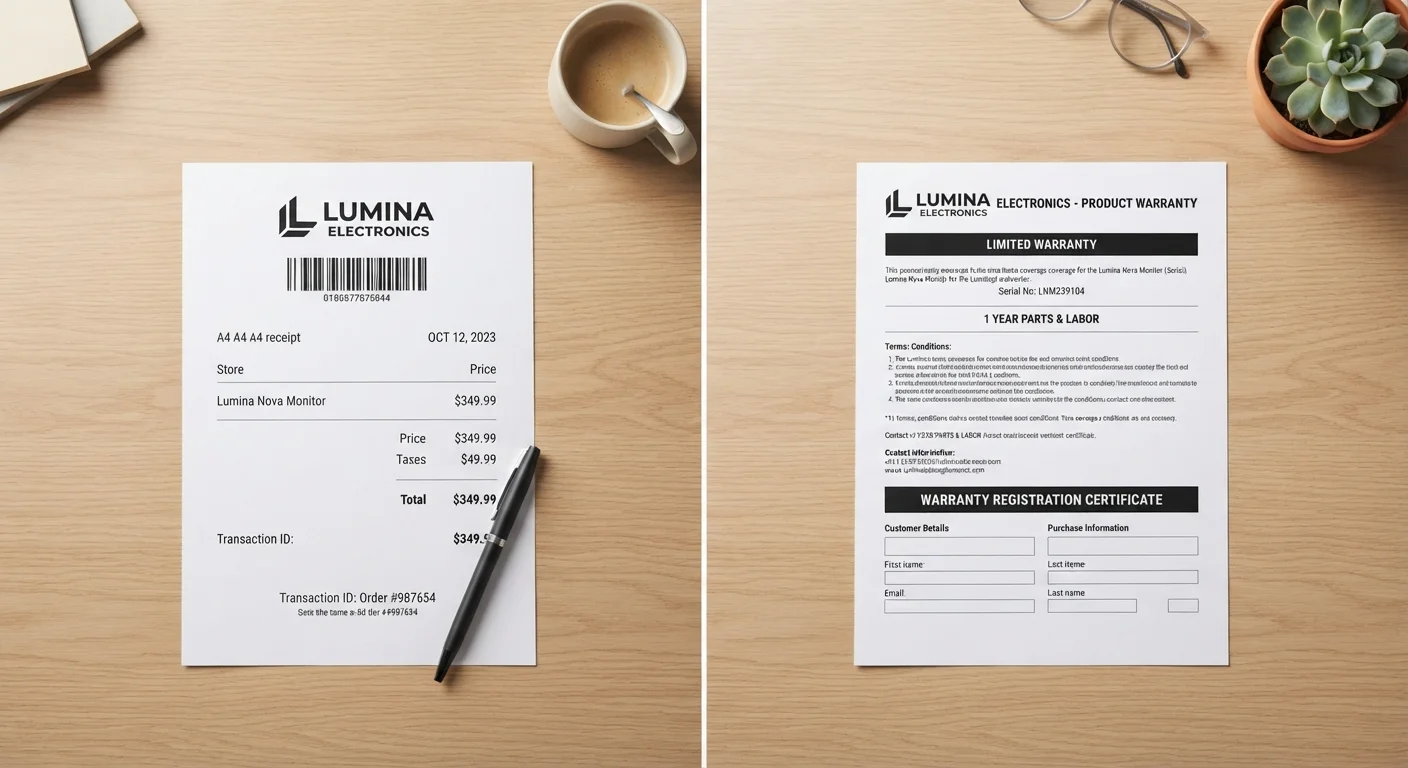
Photo credit: ResultsRover.com | Insights You Can Trust
In this article
These two buyer protections are often confused. Understanding what each covers — and what it doesn't — can save you money when things go wrong.
Key Takeaways
- Return policies are set by retailers and typically expire within 14–90 days of purchase.
- Warranties are generally issued by manufacturers and activate after the return window closes.
- Return policies cover buyer's remorse and wrong items; warranties cover manufacturing defects.
- Neither automatically covers accidental damage, misuse, or normal wear and tear.
- Understanding the handoff between the two prevents being left with no recourse at all.
- Some credit cards add an extra layer of protection on top of both — worth checking before you file a claim.
What Each One Is — and Who Controls It
A return policy is a retailer's own rules about whether you can bring a product back, how long you have to do it, and what you'll receive — a refund, exchange, or store credit. Retailers set these terms unilaterally, which means they vary widely. One store might give you 90 days; another gives you 14. Some require the original packaging; others don't. Online purchases often carry different rules than in-store buys — see how online return rules differ from in-store for a closer look at that gap.
A warranty is a promise — usually from the manufacturer, not the retailer — that the product will function as intended for a defined period. If it doesn't, the manufacturer agrees to repair or replace it. Warranties are typically governed by federal rules under the Magnuson-Moss Warranty Act, which sets minimum disclosure standards for written warranties on consumer products. For a fuller breakdown of warranty types, see implied vs. express warranties explained.
The key distinction: the retailer controls the return policy; the manufacturer controls the warranty. These are two separate relationships, and confusing them is where most shoppers lose money.
What Each One Actually Covers
Return policies are broad but time-limited. Most cover: changed minds, wrong items shipped, products that arrive visibly damaged, and items that don't match their description. They are not designed to address product failures that emerge over time — that's the warranty's job.
Warranties are narrower in scope but longer in duration. A standard manufacturer's warranty covers defects in materials or workmanship — meaning the product fails because of how it was made, not because of anything you did. What warranties typically exclude: accidental damage, water damage, cosmetic wear, and failures caused by misuse or unauthorized repair. Common warranty myths — like assuming all defects are automatically covered — can lead shoppers to accept losses they didn't have to.
| Criterion | Return Policy | Warranty |
|---|---|---|
| Issued by | Retailer | Manufacturer |
| Typical duration | 14–90 days | 90 days–several years |
| Covers buyer's remorse | Usually yes | No |
| Covers manufacturing defects | Only if caught early | Yes, within the warranty period |
| Covers accidental damage | Rarely | Rarely |
| Remedy offered | Refund, exchange, or store credit | Repair or replacement |
| Requires proof of purchase | Almost always | Almost always |
| Governed by | Retailer's own terms | Federal and state consumer law |
Neither protection covers everything. That's why understanding the boundary between them matters more than assuming one makes the other unnecessary.
The Handoff: When One Ends and the Other Begins
In practical terms, the return window and the warranty period rarely overlap cleanly. Most retailer return windows close well before any product defect has had time to surface. A TV that fails in month four was almost certainly working fine on day 30 — making a return impossible, but a warranty claim entirely valid.
This handoff is one of the most important concepts in consumer protection. When the return window closes, the warranty window opens — and knowing exactly when that transition happens prevents you from being left with no recourse at all.
Return Window Closing Soon? Act Quickly
If you notice a problem — even a minor one — while still within the return window, contact the retailer immediately rather than waiting to see if it worsens. Once that window closes, you shift from a retailer relationship to a manufacturer relationship, which typically means repair or replacement instead of a refund. Documenting defects with photos or video before that deadline strengthens any claim you make.
If you discover a problem right at the edge of a return window, contact the retailer first. Retailers sometimes make exceptions for defective items even after the formal deadline, especially if you have documentation. A warranty claim is always available as a fallback.
For a comprehensive view of how all these protections layer together, this end-to-end consumer rights guide covers return policies, warranties, and your legal standing in one place.
What Neither One Covers — and Where to Look Next
Both protections have meaningful gaps. Accidental damage, theft, and normal wear and tear fall outside both return policies and standard warranties. Extended service plans attempt to fill some of these gaps, though with trade-offs worth understanding before paying for one — see the case for and against extended service plans.
A frequently overlooked option: many credit cards automatically extend manufacturer warranties or offer purchase protection for damage and theft. These benefits exist independently of anything the retailer or manufacturer offers. Credit card protections vs. manufacturer warranties explains exactly how these two layers interact.
15–30 days
Typical retailer return window in the U.S.
Return window lengths vary widely by retailer and product category; always check the specific policy at the time of purchase.
1 year
Common manufacturer warranty length for electronics
One year is a common baseline for consumer electronics warranties, though terms differ significantly by product type and manufacturer.
2x
Warranty extension offered by some credit cards
Some credit card purchase benefits double the original manufacturer warranty period, up to a defined cap — terms vary by card issuer.
This article is for general informational purposes only and does not constitute legal or financial advice. Warranty terms, return policies, and consumer protection laws vary by retailer, manufacturer, and state. Consult the relevant policy documents or a qualified professional for guidance specific to your situation.

Author
Smart Shopping Editorial Team
Smart Shopping Editorial Team is the collective byline for our editorial team and contributor network. Articles published under this byline or an editorial pen name are researched, written, and reviewed according to our editorial standards for clarity, consistency, and independence before publication.
View all articles →