
A Weekly Grocery List Audit for More Nutritious Eating
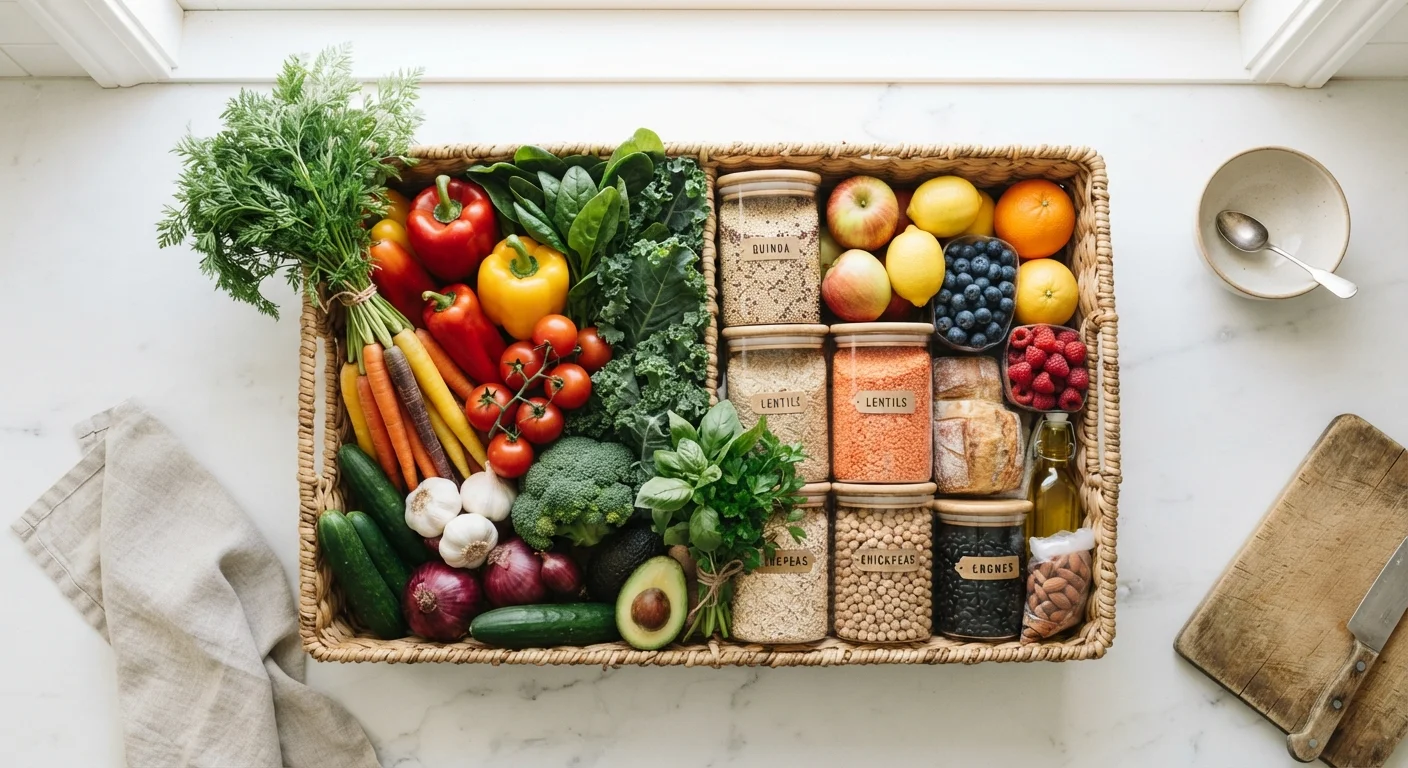
Photo credit: ResultsRover.com | Insights You Can Trust
In this article
Use this checklist to evaluate your typical grocery haul across food groups, so you can spot gaps before they become habits.
Key Takeaways
- Auditing your grocery list weekly helps catch nutritional gaps before they become ingrained habits.
- Most Americans under-buy vegetables, legumes, and whole grains relative to recommended intakes.
- A balanced cart typically reflects variety across all major food groups, not perfection in any one.
- Small, consistent swaps - not overhauls - are what drive lasting dietary improvement.
- Linking nutrition and spending awareness helps you eat better without exceeding your budget.
Why Your Grocery List Is a Nutrition Snapshot
What you buy is, over time, what you eat. Yet most people assemble their grocery list on autopilot - restocking the same items week after week without stepping back to ask whether those items actually support the way they want to feel. A brief weekly audit breaks that cycle.
This isn't about calorie math or rigid diet rules. It's about scanning your typical haul against a few evidence-based food-group benchmarks so you can spot patterns - a consistent absence of leafy greens, an over-reliance on processed grains, not enough protein variety - before those patterns quietly shape your health. For a practical look at how this connects to balanced meals day to day, see Building a Balanced Plate Without Counting Every Calorie.
The checklist below is organized by food group and shopping behavior. Work through it before you head to the store, or review it against last week's receipts. Either approach takes under 30 minutes and pays dividends in dietary awareness.
Last week's grocery receipt or list
Provides a concrete record of what you actually purchased, rather than what you intended to buy.
Notes app or printed checklist
Allows you to track gaps identified during the audit and carry them into your next shopping trip.
MyPlate food-group reference (USDA)
Offers a publicly available, evidence-based framework for proportional food group targets across a week.
How to Use This Checklist
Go category by category and ask: Did this food group appear in my cart last week - and in a meaningful quantity? A single serving of broccoli does not constitute adequate vegetable coverage for a week. Look for consistent, proportionate presence.
Mark each item honestly. If a category is routinely absent, that is useful data, not a reason for self-criticism. The goal is clarity. If time pressure is what's keeping nutritious foods off your list, Eating Well on a Tight Schedule offers realistic strategies for busy schedules. Also worth noting: nutritional gaps and budget gaps often travel together - Grocery Spending Habits That Quietly Drain Your Budget explains where cart costs quietly inflate.
Vegetables
Fruits
Proteins
Whole Grains and Legumes
Dairy or Fortified Alternatives
Healthy Fats and Pantry Staples
Beverages and Hydration
Gaps Are Normal - Overhauls Rarely Stick
It's common to find several food groups consistently missing from your weekly cart. Resist the urge to fix everything simultaneously - that approach typically leads to food waste, overspending, and a return to old habits within days. Focus on one or two changes per week and build from there.
Acting on What You Find
Once you've completed the audit, prioritize one or two gaps rather than trying to overhaul your entire cart at once. Research on dietary behavior consistently shows that incremental changes are far more durable than wholesale resets. If legumes were absent, add one variety this week. If whole grains were sparse, swap one refined-grain staple.
If you're exploring a more plant-forward approach and wondering how to cover protein and key micronutrients, Plant-Based Eating: A Realistic Look at the Trade-Offs maps out the genuine considerations clearly. Revisit this checklist each week - patterns shift faster than most people expect once you're actively watching for them.
This article provides general nutrition education and is not a substitute for personalized advice from a registered dietitian or qualified healthcare professional. Individual dietary needs vary; consult a professional before making significant changes to your diet, especially if you have an existing health condition.
This Checklist Is Not a Meal Plan
This audit is a general awareness tool, not a personalized nutrition prescription. Specific dietary needs vary significantly based on age, health status, activity level, and other individual factors. If you have a diagnosed condition, food allergies, or specific health goals, consult a registered dietitian before making significant dietary changes.

Author
Health & Wellness Editorial Team
Health & Wellness Editorial Team is the collective byline for our editorial team and contributor network. Articles published under this byline or an editorial pen name are researched, written, and reviewed according to our editorial standards for clarity, consistency, and independence before publication.
View all articles →