
Car Ownership for First-Timers: Maintenance Fundamentals
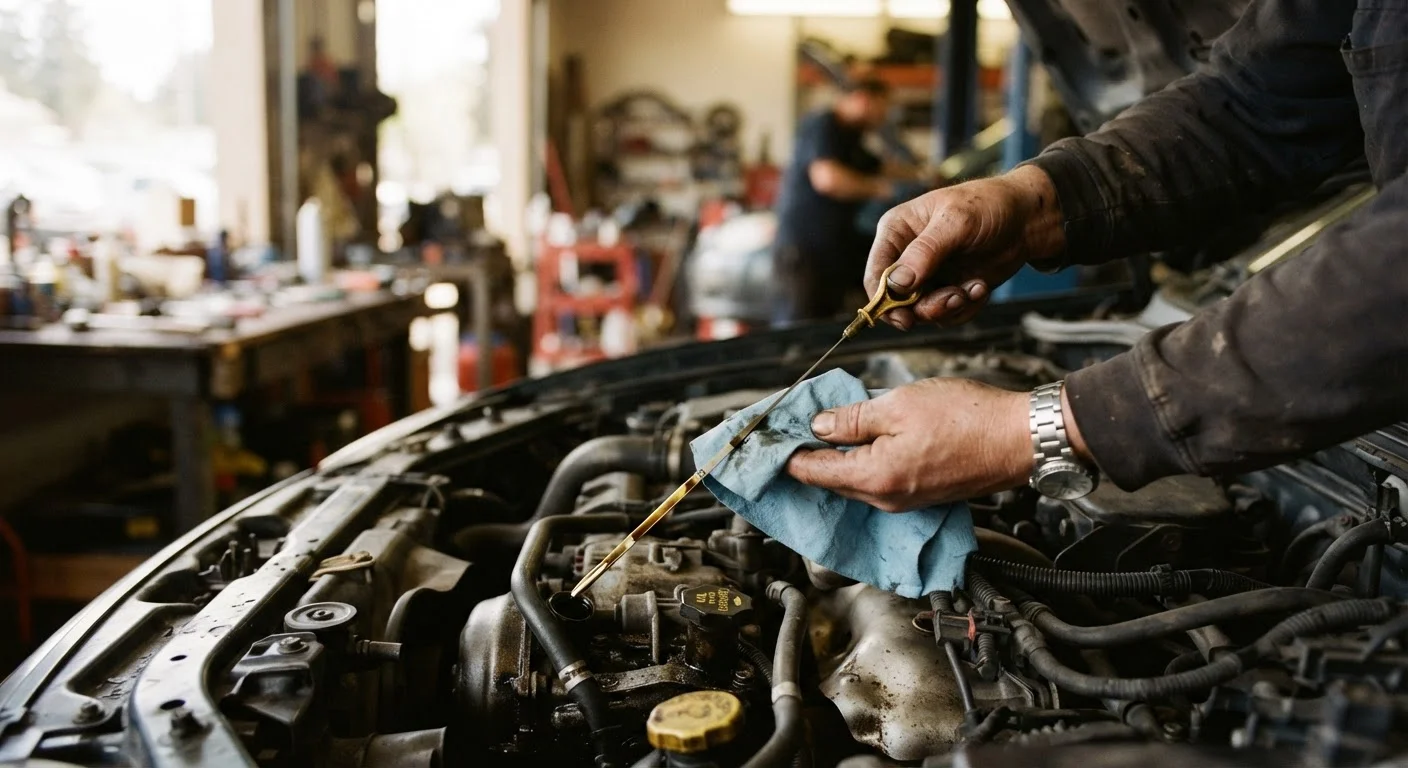
Photo credit: ResultsRover.com | Insights You Can Trust
In this article
New to owning a vehicle? This primer covers the routine tasks, tools, and habits that keep a car reliable without requiring a mechanic's background.
Key Takeaways
- Your owner's manual sets the maintenance schedule - follow it before any online advice.
- Checking oil, tire pressure, and coolant takes under 10 minutes and prevents most common breakdowns.
- Dashboard warning lights always warrant prompt attention, even if the car seems to drive fine.
- Keeping a simple maintenance log makes future service faster and adds resale value.
- Many routine tasks are genuinely DIY-friendly; others require a qualified mechanic for safety.
Why Maintenance Matters More Than You Think
A car is one of the most expensive things most Americans own - and neglecting it is one of the fastest ways to turn a manageable expense into a financial emergency. Deferred maintenance compounds: a low coolant level becomes an overheated engine; worn brake pads become rotor damage that costs several times more to fix. The good news is that the maintenance tasks with the biggest payoff are also the simplest ones.
New owners often underestimate how much ongoing ownership costs. For a full picture of what to expect beyond the purchase price, our article on hidden car ownership costs is worth reading before your first service bill arrives. And if you're working a vehicle budget into your household finances, budgeting basics can help you set aside a realistic monthly amount.
Set a Monthly Reminder Right Now
Add a recurring monthly calendar reminder labeled 'car check' before you read another word. The biggest obstacle to routine maintenance isn't knowledge - it's forgetting. A five-minute prompt once a month is the single easiest habit you can build as a new owner.
Your Owner's Manual: The Most Underused Tool You Already Have
Most new owners flip through the owner's manual once and forget it exists. That's a mistake. The manual contains your vehicle's specific maintenance schedule - the exact intervals for oil changes, filter replacements, tire rotations, spark plugs, and fluid flushes that the manufacturer engineered for that engine and drivetrain. Generic advice online is often close, but your manual is authoritative.
If you bought a used car without a manual, the manufacturer's website or a licensed dealership can usually supply a digital copy. For a plain-language explanation of what the standard schedule items actually mean, see your car's maintenance schedule, explained.
Maintenance interval
The mileage or time period specified by the manufacturer between required service tasks, such as 5,000 miles between oil changes.
Dipstick
A long metal rod you pull from the engine to check the oil level and condition without needing any tools.
Coolant (antifreeze)
A liquid that circulates through the engine to regulate temperature, preventing both overheating in summer and freezing in winter.
Tire pressure (PSI)
The amount of air inside a tire, measured in pounds per square inch. Running at the correct PSI improves safety, fuel economy, and tire life.
OBD-II diagnostic scan
A readout from your car's onboard computer that identifies fault codes when a warning light appears. Many auto parts stores offer this scan for free.
Tread depth
The measurement of the grooves in a tire that channel water away from the road surface. Worn tread reduces grip, especially in wet conditions.
Core Routine Checks Every New Owner Should Know
You don't need mechanical training to perform the checks that prevent the majority of common breakdowns. Work through these on a monthly basis or before any long road trip:
- Engine oil: Park on level ground, pull the dipstick, wipe it clean, reinsert fully, then pull again. The oil level should fall between the two marks. Note the color - dark brown or black oil that's due for a change looks different from clean amber oil.
- Coolant (antifreeze): Check the translucent overflow reservoir when the engine is cold. Never open the radiator cap on a hot engine - pressurized coolant can cause serious burns.
- Tire pressure: Use an inexpensive gauge at least once a month. The target pressure is on the sticker inside the driver's door jamb. Under-inflated tires wear unevenly and reduce fuel efficiency.
- Tire tread depth: Insert a quarter into the tread groove with Washington's head pointing down. If you can see the top of his head, the tread is worn and replacement should be scheduled.
- Windshield washer fluid: Low risk, easy fix - keep it topped up so you're never caught with a dirty windshield.
- Wiper blades: Streaking or skipping means they need replacement, typically every 6-12 months depending on climate.
These checks take under 10 minutes combined. If you find anything outside normal range, consult your owner's manual or a qualified mechanic before conditions worsen.
Warning Signs You Should Never Ignore
Modern vehicles communicate through dashboard warning lights, sounds, and driving feel. Learning to read these signals early keeps small issues from becoming large ones.
- Oil pressure light (usually red): Pull over safely and turn off the engine. Driving with low oil pressure can cause catastrophic engine damage within minutes.
- Temperature warning: An overheating engine needs immediate attention. Turn off the AC, pull over, and let it cool before checking coolant levels.
- Check Engine light: A steady light usually indicates an emissions or sensor issue; a flashing light often signals an active misfire. Either warrants a diagnostic scan.
- Brake warning light: Could indicate low brake fluid or worn pads. Don't delay - brakes are a safety system.
- Unusual sounds: Grinding when braking, squealing from the engine bay, or clunking over bumps all point to components that need inspection.
Never Ignore a Red Warning Light
Amber dashboard lights typically allow time for a scheduled service appointment. Red lights - especially oil pressure and engine temperature - often mean stop driving immediately. Continuing to drive can cause irreversible damage that costs thousands of dollars to repair. When in doubt, pull over safely and call a mechanic or roadside assistance.
If your vehicle is past the 100,000-mile mark, some of these warning signs can appear more frequently. Our guide on keeping a high-mileage vehicle on the road covers the specific priorities for older cars.
Building a Simple Maintenance Habit
Consistency beats intensity when it comes to car care. A brief monthly check and a simple log are more valuable than an occasional deep-dive followed by months of neglect.
Keep a small notebook or a phone note with the date, mileage, and what was done for every service - oil changes, tire rotations, fluid top-offs, and repairs. This log has two concrete benefits: it helps you track when the next service is due, and it increases resale value by demonstrating care to future buyers. For a closer look at the full scope of DIY tasks versus jobs that genuinely require a professional, maintaining your car yourself: where the real limits are is the logical next read.
New to car insurance as well? Coverage decisions are part of responsible ownership - auto insurance for first-time car owners walks through what you're required to carry and the choices you'll face.
This article provides general educational information about vehicle maintenance. It is not a substitute for advice from a qualified mechanic. Always consult a certified professional before performing repairs or when uncertain about your vehicle's condition.
Frequently Asked Questions

Author
Auto Essentials Editorial Team
Auto Essentials Editorial Team is the collective byline for our editorial team and contributor network. Articles published under this byline or an editorial pen name are researched, written, and reviewed according to our editorial standards for clarity, consistency, and independence before publication.
View all articles →