
Returns, Warranties, and Consumer Rights: The Full Picture
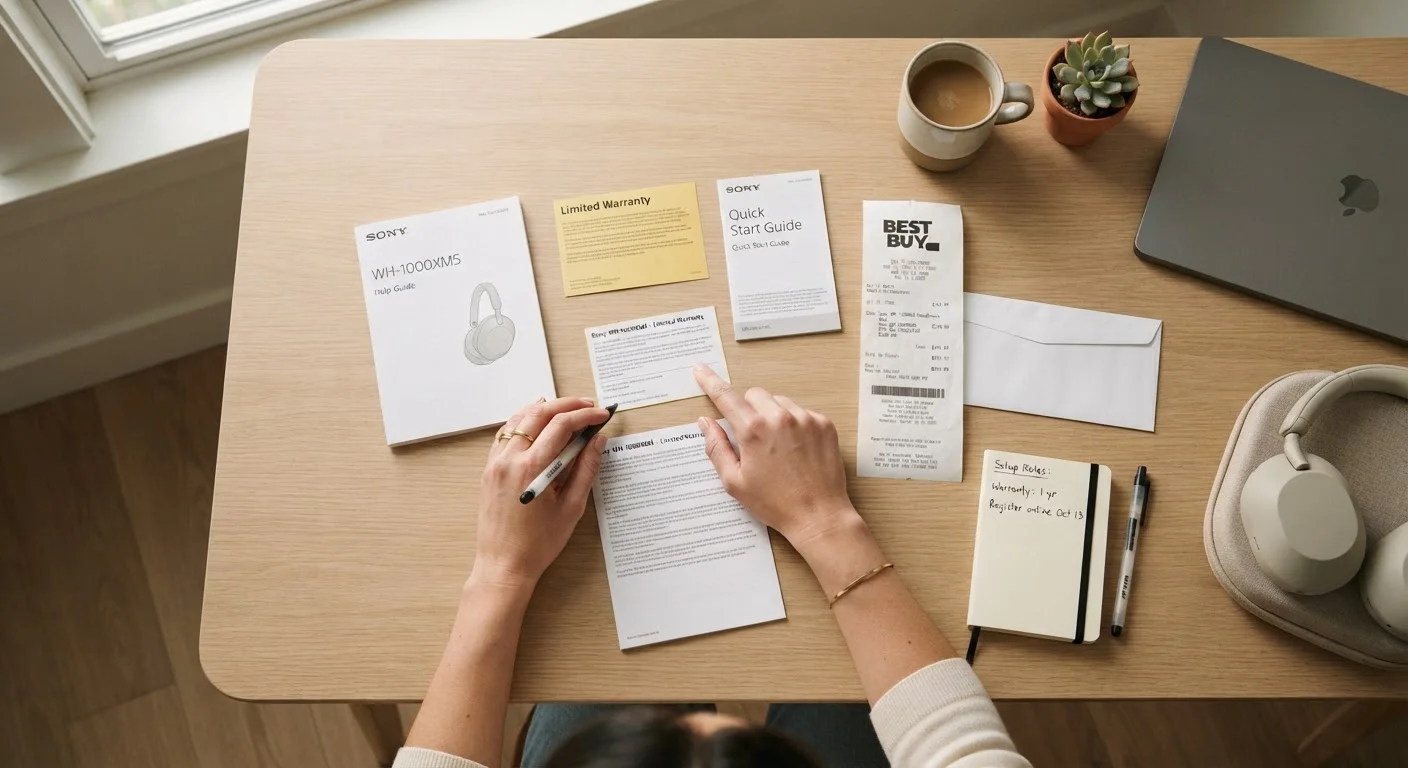
Photo credit: ResultsRover.com | Insights You Can Trust
In this article
An end-to-end guide covering return policies, warranty types, credit card protections, and your legal rights as a consumer in the U.S.
Key Takeaways
- Return policies are set by retailers and vary widely — always check before purchase.
- Warranties come in multiple types; manufacturer, implied, and extended coverage have different scopes.
- Some credit cards extend warranties or offer purchase protection at no added cost.
- Federal law provides a baseline of consumer rights for written warranties on goods over $15.
- Escalating through the FTC, state AG, or small claims court is a real and accessible option.
How Return Policies Actually Work
A retailer's return policy is a contract — one you agree to at checkout, usually without reading it. Most policies specify a return window (often 15–90 days), acceptable item conditions (unused, in original packaging), and whether you get cash back, store credit, or an exchange. Some categories — software, swimwear, mattresses, and personalized items — are routinely excluded regardless of the general policy language.
A few mechanics that catch shoppers off guard:
- Restocking fees: Common on electronics and large appliances, typically 10–25% of the purchase price. These are disclosed in policy fine print, not at the register.
- Receipt requirements: Without proof of purchase, many stores will only offer the current selling price as store credit — not what you paid.
- Holiday extensions: Retailers often extend return windows for gifts purchased in November–December, but the extended window typically runs from the purchase date, not the gift date.
Understanding the handoff between a return window and a warranty is equally important. See our guide on what happens when the return window closes for how to stay protected after day 30.
Save Your Packaging Until You're Certain
Keep original boxes and packaging for at least 30 days after purchase. Many retailers require original packaging for returns, and it's often needed to safely ship items back for warranty service. Flattening and storing the box takes minutes; replacing it when you need it is often impossible.
Types of Warranties and What They Cover
Warranties are legal promises about a product's condition or performance — but not all promises are equal. The basics of how warranties work are worth knowing before a purchase, not after something breaks.
- Manufacturer's (Express) Warranty
- A written commitment from the maker to repair or replace defective products within a defined period. Coverage, duration, and claim procedures vary by product and company.
- Implied Warranty of Merchantability
- A default legal protection under the Uniform Commercial Code (UCC) in most U.S. states. It means the product must function for its ordinary purpose — a blender must blend. Sellers can disclaim this warranty in writing in many states, which is why "as-is" sales matter.
- Extended (Service) Warranties
- Sold separately by retailers or third parties. These are service contracts, not warranties in the legal sense. Critically, they often overlap with the manufacturer's coverage for the first year, meaning you pay for redundant protection.
The distinction between a warranty and a return policy is sharper than most consumers realize. For a side-by-side breakdown, see our comparison of what each actually covers.
Register your product with the manufacturer immediately after purchase — it creates a paper trail for warranty claims and can speed up service significantly when something goes wrong.
Manufacturers sometimes require registration as a condition for honoring certain warranty terms, and it establishes a clear purchase date independent of your receipt.
Before buying an extended warranty, read the exclusion list, not the coverage list — the exclusions tell you far more about what the contract actually protects.
Extended service contracts are profitable for retailers precisely because common failure modes are often excluded through fine print, leaving consumers with coverage that rarely applies.
Credit Card Purchase Protections
Many consumers leave card benefits untouched simply because they don't know they exist. Two are particularly valuable:
- Extended Warranty Protection: Some cards automatically add 1–2 years to a manufacturer's warranty on eligible purchases. Coverage limits and eligible product categories vary by card issuer — check your cardholder agreement, not marketing copy.
- Purchase Protection: Covers eligible items against accidental damage or theft for a short window (often 90–120 days) from the purchase date. Dollar limits per claim and per year apply.
To use either benefit, you generally need to have paid with the qualifying card, provide your original receipt, and file a claim within a stated deadline. These protections don't replace a warranty — they supplement it, particularly for the period a manufacturer's warranty doesn't reach.
Card Benefits Require Active Claims — They're Not Automatic
Purchase protection and extended warranty benefits from credit cards do not activate automatically when something goes wrong. You must file a claim — usually within a strict deadline — and provide documentation including your receipt and the card statement showing the purchase. Missing the filing window means forfeiting the benefit entirely, regardless of your eligibility.
Your Legal Rights as a U.S. Consumer
Federal law sets a floor beneath retailer and manufacturer policies. The Magnuson-Moss Warranty Act requires that any written warranty on a consumer product sold for more than $15 be available before purchase and be written in plain language. It also restricts sellers from voiding a warranty solely because the consumer used a non-manufacturer part or service for routine maintenance.
At the state level, lemon laws protect buyers of new (and in many states, used) vehicles that have persistent, unresolvable defects after a reasonable number of repair attempts. Coverage thresholds and remedies differ by state — your state attorney general's office publishes the specifics.
The FTC's "Cooling-Off Rule" gives consumers three business days to cancel certain door-to-door sales and some other off-premises sales made for $25 or more. This right doesn't apply to purchases made in a store.
State Laws Often Exceed Federal Minimums
Federal consumer protection law sets a baseline, but many states have stronger warranty, lemon law, or unfair-trade-practices statutes. California, New York, and Massachusetts, for example, have historically provided broader consumer protections than federal law requires. Check your state attorney general's consumer protection page for specifics applicable to your situation.
For a structured reference of these protections in one place, see our complete consumer reference guide.
When and How to Escalate a Dispute
Most return or warranty disputes can be resolved at the retailer or manufacturer level — but not all. When standard channels fail, you have real options:
- Credit card chargeback: If you paid by card and the seller isn't honoring a legitimate claim, a chargeback through your issuer initiates a formal dispute. Act within your card's dispute window (typically 60–120 days from the statement date).
- State attorney general: Consumer protection bureaus in every state handle complaints about deceptive practices or warranty violations. Filing is free and can trigger regulatory pressure.
- FTC complaint: The Federal Trade Commission collects consumer complaints at ReportFraud.ftc.gov. Individual complaints don't always yield direct resolution, but they inform enforcement priorities.
- Small claims court: For amounts within your state's limit (commonly $5,000–$10,000), small claims is an accessible, low-cost venue that doesn't require an attorney.
Document everything: keep receipts, photo evidence of defects, and records of every contact with the retailer or manufacturer. Without documentation, your leverage in any of these channels shrinks significantly.
For broader strategies on stretching your spending power, the Smart Spending hub covers budgeting, negotiation, and value-maximizing approaches across everyday purchases.
~$550B
Annual U.S. retail returns
The National Retail Federation estimated U.S. retail returns at roughly $550 billion in 2023, underscoring how common post-purchase issues are.
3 days
FTC cooling-off cancellation window
The FTC's Cooling-Off Rule gives consumers three business days to cancel qualifying off-premises sales — a right many buyers are unaware of.
~16.5%
Overall return rate for U.S. retail
The National Retail Federation reported an average return rate of approximately 16.5% across U.S. retail in 2023.

Author
Smart Shopping Editorial Team
Smart Shopping Editorial Team is the collective byline for our editorial team and contributor network. Articles published under this byline or an editorial pen name are researched, written, and reviewed according to our editorial standards for clarity, consistency, and independence before publication.
View all articles →