
Small Leaks, Big Bills: Why Deferred Home Repairs Cost More Over Time
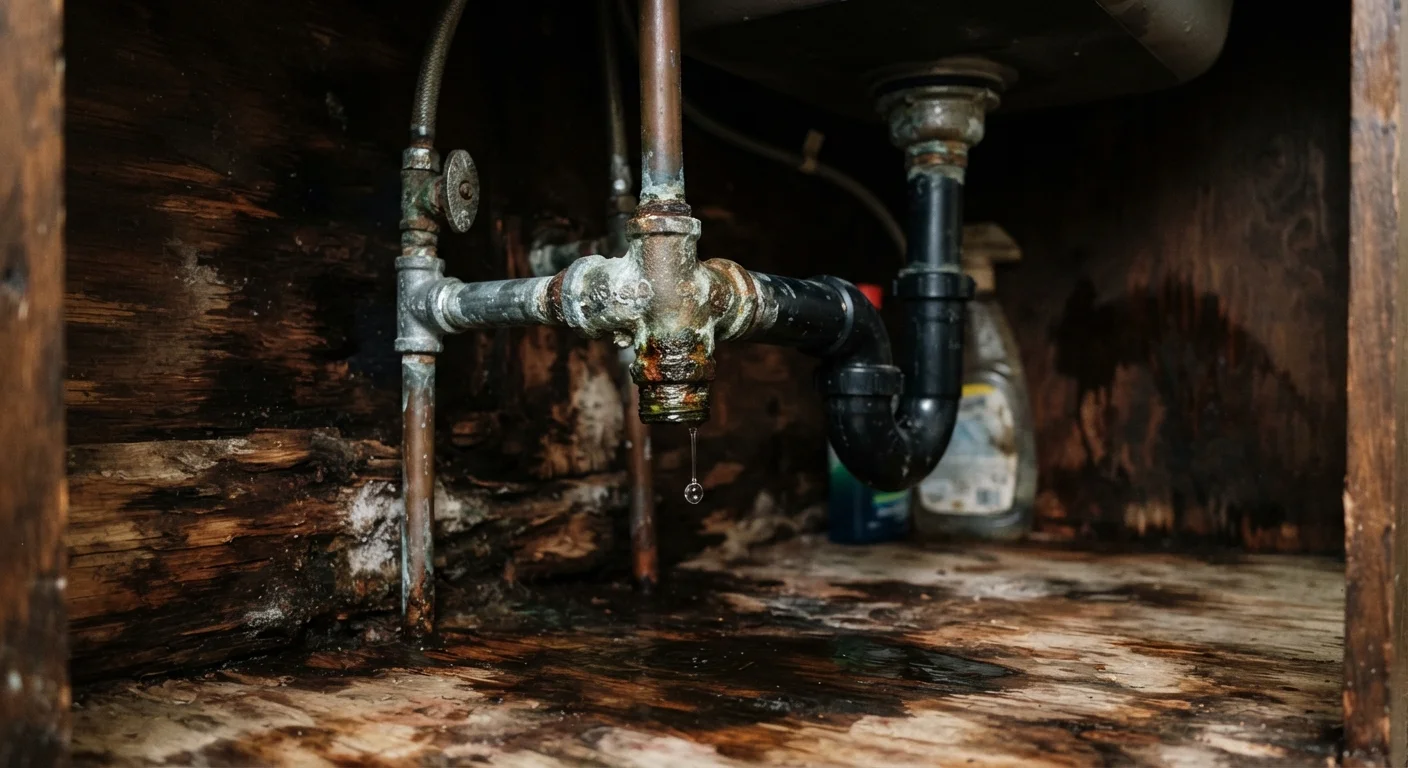
Photo credit: ResultsRover.com | Insights You Can Trust
In this article
Putting off minor fixes rarely saves money. This explainer shows how small maintenance gaps quietly compound into expensive structural problems.
Key Takeaways
- Small maintenance problems almost always grow more expensive the longer they go unaddressed.
- Water damage is the most common driver of deferred-repair escalation in American homes.
- Routine inspections - not major renovations - are the most cost-effective home protection strategy.
- Neglected maintenance can void home warranties and complicate insurance claims.
- A consistent, low-cost upkeep schedule typically costs far less than emergency repairs.
The Compounding Problem Nobody Talks About
Most homeowners know that skipping an oil change is bad for an engine. Far fewer apply the same logic to their house - and the financial consequences can be far steeper. Just as interest compounds on unpaid debt, small maintenance gaps quietly grow until the repair bill bears no resemblance to what it would have cost months earlier.
The core mechanism is straightforward: most building materials are designed to work together as a system. When one component fails - a cracked shingle, a loose door seal, a dripping faucet - it creates conditions that stress adjacent materials. Water finds new paths. Wood absorbs moisture. Mold establishes itself. What began as a $40 tube of caulk becomes a $4,000 window replacement once rot sets into the framing.
~1%
Annual maintenance budget rule of thumb
Many home finance guides suggest reserving roughly 1% of a home's purchase price per year for routine maintenance - a figure that rises for older homes or those in harsh climates.
24-48 hrs
Time for mold to begin growing after water saturation
The EPA notes that mold can begin to develop in wet building materials within one to two days, underlining why water leaks demand prompt attention.
3-10×
Cost multiplier for delayed water damage repairs
Home inspection and restoration industry guidance consistently indicates that water damage repair costs can multiply several times over when the source goes unaddressed for months rather than days.
Understanding this compounding dynamic is the first step toward breaking the cycle. It isn't about being alarmist - it's about recognizing that a home is a living system, and that small interventions applied early are almost always cheaper than large ones applied late.
How Small Problems Escalate: Common Pathways
Not every neglected repair becomes catastrophic, but certain categories carry consistently high escalation risk. Water and moisture top the list, followed by structural stress and mechanical system wear.
Roof and Exterior Envelope
A missing or cracked shingle allows water to reach the underlayment. Over one to two seasons, that moisture penetrates decking, enters the attic, and begins degrading insulation and framing. What starts as a minor shingle replacement - typically a few hundred dollars - can escalate into decking replacement, insulation removal, and mold remediation costing several times more. The building envelope is your home's first defense, and breaches anywhere in it tend to propagate inward.
Plumbing Leaks
A slow drip under a sink or behind a wall rarely stays contained. Water follows gravity and capillary action into subfloors and wall cavities, creating ideal conditions for mold growth within 24 to 48 hours of saturation. Subfloor replacement, cabinet removal, and mold remediation collectively dwarf the cost of tightening a fitting or replacing a supply line.
HVAC and Mechanical Systems
Filters, belts, and refrigerant levels seem like minor housekeeping - until a neglected system runs in an overtaxed state long enough to burn out a compressor or heat exchanger. Emergency HVAC replacement during summer or winter, when demand is highest, is one of the more painful budget shocks a homeowner can face. The parallel to vehicle maintenance is direct: deferred upkeep compounds across both.
Why Homeowners Delay - and How to Think Differently
Deferral is rarely about not caring. It's usually about cash flow timing, competing priorities, or underestimating a problem's urgency. Seeing a small water stain on a ceiling doesn't feel like an emergency - and often it isn't, yet. But the mental model that leads to deferral treats repair cost as fixed, when in reality it's a moving target that almost always moves upward.
Make a Simple Home Maintenance Calendar
Block two recurring dates per year - typically spring and fall - for a structured walk-through of your home's exterior, roof, plumbing, and HVAC. Keep a running list with dates of what you checked and any issues noted. This written record also supports warranty and insurance claims if you ever need them.
A more useful frame is to think of maintenance as insurance against much larger future expenditures. This connects directly to how household budgets quietly erode - not through single large decisions but through many small omissions that add up invisibly.
It's also worth noting that deferred repairs create warranty and insurance exposure. Skipping documented maintenance tasks can invalidate coverage you're counting on. For a closer look at which gaps put your protection at risk, see our piece on upkeep mistakes that void home warranties.
Finally, be cautious of common beliefs that justify inaction. Several widespread home maintenance myths - like the idea that paint seals out moisture or that small foundation cracks are always cosmetic - lead homeowners to feel safe when they shouldn't. Our article on home maintenance myths addresses the most costly of these directly.
“The most expensive repair is usually the one you put off. Small deficiencies in a home's envelope or systems rarely stay small - they find adjacent vulnerabilities and grow with them.”
— American Society of Home Inspectors (ASHI), Professional trade organization representing licensed home inspectors
Building a Practical Prevention Routine
The antidote to deferred repairs isn't anxiety - it's a structured, low-effort inspection habit. A twice-yearly walk-through of your home's key systems, timed around seasonal transitions, catches most problems while they're still inexpensive.
Key Areas to Check Each Season
- Roof and gutters: Look for missing shingles, cracked flashing, and clogged gutters that can cause water to back up under the eave.
- Caulk and weatherstripping: Check around windows, doors, and plumbing penetrations. Degraded sealants are among the easiest and cheapest fixes available.
- Under sinks and around appliances: A brief visual check for moisture, staining, or soft flooring can catch slow leaks before they compromise structure.
- HVAC filters and vents: Replace filters on the manufacturer's schedule; confirm vents aren't blocked by furniture or debris.
- Exterior grading: Soil should slope away from the foundation. Flat or reversed grading channels runoff toward your home's base.
None of these checks requires special skills. What they require is consistency - and the understanding that ten minutes of attention twice a year is a reasonable trade against thousands of dollars in emergency repairs. For a complementary perspective on where renovation spending actually pays off versus where it doesn't, see our explainer on home improvement myths.
This article is for general informational purposes only and does not constitute professional home inspection, contractor, insurance, or financial advice. Repair costs vary significantly by region, home age, and specific conditions. Always consult a licensed professional for assessment of your specific situation, and verify local code and permit requirements before undertaking any repair work.
Frequently Asked Questions

Author
Home & Garden Editorial Team
Home & Garden Editorial Team is the collective byline for our editorial team and contributor network. Articles published under this byline or an editorial pen name are researched, written, and reviewed according to our editorial standards for clarity, consistency, and independence before publication.
View all articles →