
Where Your Money Actually Goes Each Month
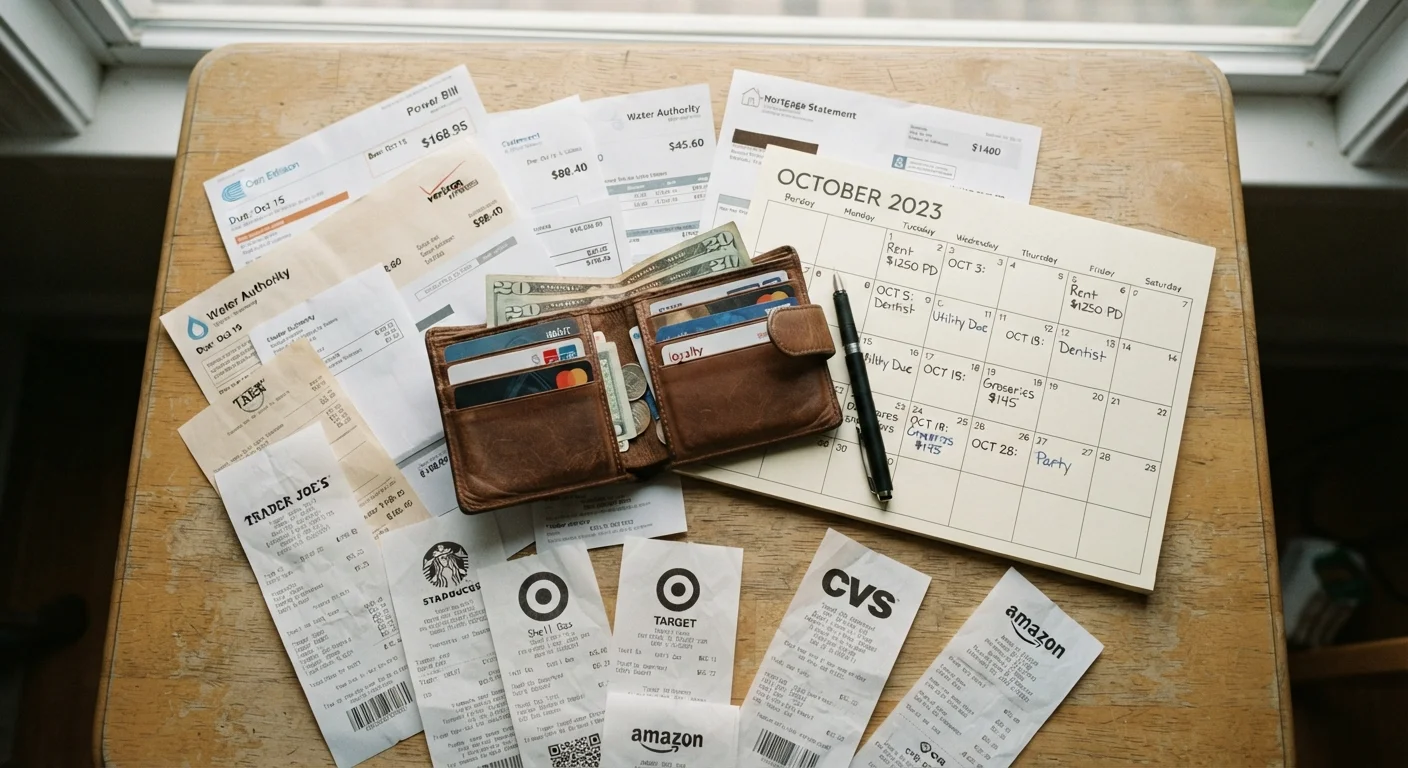
Photo credit: ResultsRover.com | Insights You Can Trust
In this article
Most household budgets leak in predictable places. Learn to spot the quiet drains on your monthly cash flow before they compound.
Key Takeaways
- Most households lose money to subscriptions, convenience fees, and unplanned food spending — not big one-off purchases.
- The average American household spends meaningfully on services they rarely or never use.
- Reviewing three months of bank and card statements reveals patterns that a single month can hide.
- Automatic payments make leaks invisible; auditing them once a quarter is a reliable countermeasure.
- Small daily habits — coffee, delivery fees, app purchases — compound into major annual costs.
The Quiet Drain You're Not Tracking
Most people who feel financially stretched aren't spending recklessly on obvious luxuries — they're bleeding out slowly through dozens of small, automatic, or habitual transactions. Understanding where money actually goes requires looking at behavior patterns rather than individual purchases.
The concept is simple: a budget leak is any spending that doesn't reflect a deliberate choice. It might be a $14 streaming service you signed up for in January and haven't opened since, a convenience delivery fee that doubles your lunch cost, or a gym membership billed silently every month. None of these feels like a problem in isolation. Together, they can easily account for $200–$400 per month in a typical household.
For a deeper look at how to structure your overall spending plan, see the complete household budgeting guide — it covers income tracking, expense categories, and how to adjust over time.
$219/mo
Average amount spent on unused subscriptions
A survey by C+R Research found that consumers underestimate their monthly subscription spending by a wide margin, with unused services accounting for a significant share.
~30%
Of food spending wasted in the average U.S. household
The USDA estimates that American households waste roughly 30–40% of the food supply, translating directly into grocery dollars that produce no nutritional or practical value.
$1,000+
Annual cost of daily coffee shop purchases
A daily $4–$5 coffee habit purchased outside the home adds up to over $1,000 annually — a figure that surprises most people when calculated as a yearly rather than daily expense.
The Five Categories That Drain Most Budgets
Spending audits across household budgets tend to surface the same problem areas repeatedly. Here's where to look first:
- Subscriptions and memberships: Streaming platforms, software, gym memberships, box services, and news apps accumulate fast. Most households pay for at least two or three they rarely use. The full breakdown of common budget busters covers how these stack up across categories.
- Food and dining: Grocery impulse buys and restaurant spending are among the most variable and leak-prone categories in any budget. Store layout, pricing tactics, and unit-price confusion all contribute to spending more than planned. Meal planning and a firm list are reliably the highest-return habits here.
- Convenience and delivery fees: App-based food delivery, on-demand services, and express shipping markups are small per transaction but add up fast. High-frequency small purchases — coffee, apps, delivery — are detailed in a dedicated breakdown worth reviewing.
- Utility waste: Heating and cooling unused rooms, running old appliances, or ignoring phantom power draw on standby devices inflates utility bills predictably. These costs are deferred rather than invisible, but most households never audit them.
- Banking and card fees: Monthly maintenance fees, out-of-network ATM charges, and minimum-balance penalties quietly erode savings. These are among the easiest leaks to eliminate by switching account types.
“The budget is not just a collection of numbers, but an expression of our values and aspirations. Most people don't have a spending problem — they have a visibility problem.”
— Jack Welch, Business executive and management author
How to Run a 30-Minute Statement Audit
You don't need budgeting software to find your leaks — a downloaded statement and a highlighter (literal or digital) will do.
- Pull three months of records from every account and card you use regularly. One month can be misleading; three months catches quarterly or irregular charges.
- Flag every recurring charge — same merchant, same amount, repeating. List each one with its monthly cost.
- Ask one question per item: Did I use this in the past 30 days? If the answer is no, mark it for cancellation.
- Total variable categories like dining, delivery, and entertainment separately. Compare against what you expected to spend. The gap is your leak estimate.
- Cancel immediately, don't defer. Most services let you cancel online in under two minutes. Each day you wait costs you money.
Once you've identified where the money is going, the practical guide to spending smarter on everyday life is a useful next step for building systems that keep leaks from returning.
Schedule a Quarterly Subscription Audit
Set a recurring calendar reminder every three months to review all automatic charges. New subscriptions accumulate quickly, especially after free trials, holiday promotions, or app downloads. A 15-minute quarterly check prevents months of unnecessary billing from going unnoticed.
Redirecting Recovered Money
Finding a leak is only half the job — what you do with recovered funds determines whether the audit actually improves your financial position. Even $50 a month redirected consistently makes a measurable difference over time.
Options worth considering (keeping in mind that the right choice depends on your personal situation and you should consult a qualified financial adviser for decisions specific to your circumstances):
- Applying extra funds toward high-interest debt reduces the total interest paid over time.
- Building a small emergency buffer — even one month of fixed expenses — reduces the chance that an unexpected cost creates new debt.
- Automating a transfer to a savings account on payday removes the decision entirely.
For broader strategies on debt and savings once you've stabilized spending, the Saving & Debt hub covers the practical options in detail.
This article is for general informational and educational purposes only and does not constitute personalized financial advice. Consult a licensed financial professional before making decisions specific to your situation.
Frequently Asked Questions

Author
Personal Finance Editorial Team
Personal Finance Editorial Team is the collective byline for our editorial team and contributor network. Articles published under this byline or an editorial pen name are researched, written, and reviewed according to our editorial standards for clarity, consistency, and independence before publication.
View all articles →