
The Upkeep Mistakes That Void Common Home Warranties
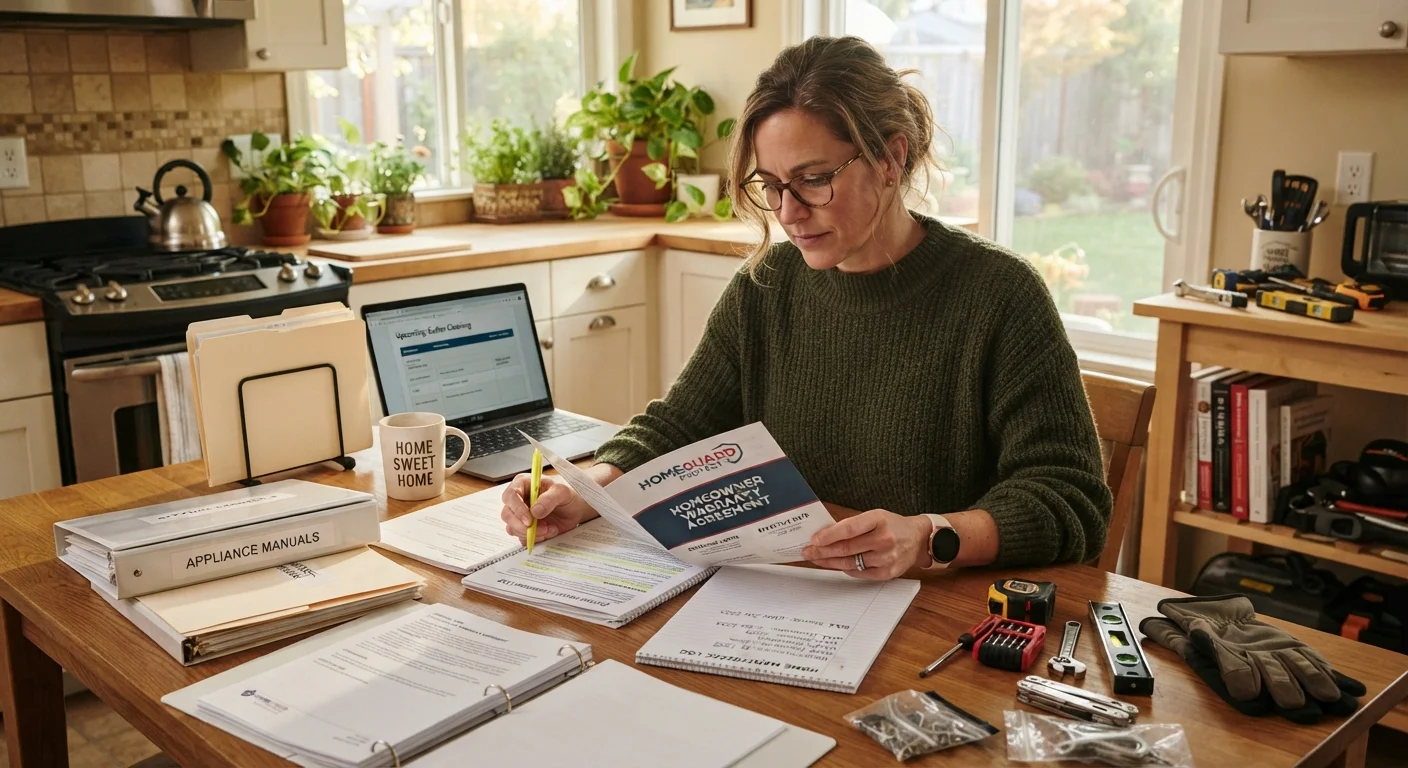
Photo credit: ResultsRover.com | Insights You Can Trust
In this article
Skipping certain maintenance tasks doesn't just cause damage — it can invalidate warranty coverage. Learn which gaps put your protection at risk.
Key Takeaways
- Most home warranties require documented, routine maintenance to honor claims - neglect can void coverage.
- Skipping HVAC filter changes, water heater flushes, and roof inspections are among the most common claim-voiding errors.
- Keeping dated maintenance records is often the only way to prove compliance when filing a claim.
- Unpermitted DIY repairs on covered systems can nullify warranty protection entirely.
Why Maintenance Gaps Create Warranty Gaps
A home warranty is only as strong as your maintenance record. Most contracts - whether from a builder or a third-party home warranty company - include language that limits or denies claims when a problem can be traced back to inadequate upkeep. That's not buried in the fine print as a technicality; it's a central condition of coverage.
The frustrating reality is that many homeowners discover this only after filing a claim. Understanding which maintenance tasks are tied to warranty eligibility - before something breaks - is the most practical form of consumer protection available. As warranty myths often cause buyers to assume more is covered than actually is, it pays to read the terms carefully from day one.
Document Everything, Every Time
Most warranty providers require proof of maintenance - not just your word that it was done. Keep dated receipts, service invoices, or a simple log with photos. Without documentation, a valid claim can still be denied. Store records digitally so they're never lost.
The Maintenance Mistakes That Put Coverage at Risk
These are the errors most likely to result in a denied claim across the systems home warranties commonly cover - HVAC, plumbing, roofing, and structural components.
Skipping HVAC filter replacements and annual tune-ups.
Why it happens: Filters seem minor, and tune-ups feel like an upsell. Many homeowners wait until performance drops before acting.
Neglecting to flush the water heater annually.
Why it happens: Water heaters sit out of sight, so sediment buildup goes unnoticed until efficiency drops or a failure occurs.
Ignoring roof inspections and minor damage after storms.
Why it happens: Roofs are hard to access, so damage goes unnoticed. Homeowners often assume insurance or warranty will cover storm aftermath regardless.
Making unpermitted repairs or modifications to covered systems.
Why it happens: Homeowners try to save money with DIY fixes or unlicensed contractors, not realizing warranties often require licensed work on systems like plumbing, electrical, and HVAC.
Failing to address plumbing leaks or drainage problems promptly.
Why it happens: Small drips and slow drains seem manageable later. The real cost - and the warranty risk - comes from the water damage that follows.
Letting caulking and weatherstripping deteriorate around windows and doors.
Why it happens: These are easy to overlook during routine checks. Homeowners often don't realize that moisture intrusion from failed seals can trigger denied claims on interior finishes or framing.
The pattern across all these mistakes is the same: deferred attention turns a covered failure into an owner-negligence exclusion. Common maintenance myths can make it easy to rationalize delay - but warranty contracts don't recognize good intentions, only documented action.
Building a Maintenance Habit That Protects Your Coverage
The most reliable way to keep your warranty intact is to treat maintenance as a scheduled, documented routine rather than a reactive chore. A simple home maintenance log - whether a spreadsheet, a notebook, or a phone app - should capture the date, the task performed, who performed it (including license numbers for contractors), and any parts used.
~65%
Home warranty claims denied due to maintenance issues
Industry observers note that a significant share of home warranty claim disputes involve allegations of inadequate maintenance or lack of documentation from the homeowner.
$300-$600
Typical annual HVAC maintenance cost
Routine HVAC servicing costs a fraction of the repair or replacement bills - often $5,000 or more - that result from neglected systems and denied warranty claims.
Set calendar reminders for annual and seasonal tasks: HVAC servicing in spring and fall, water heater flushing before winter, roof inspection after storm season. If you use a contractor, ask for a written invoice every time - that paper trail is what makes a warranty claim defensible.
For a broader look at how skipping routine upkeep compounds into larger costs, see why deferred maintenance costs more than the service itself - the same principle applies directly to home systems. And if you want to protect other major purchases the same way, these habits for protecting major purchases are worth building into your routine.
This article provides general information about home warranties and maintenance practices. Warranty terms vary significantly by provider and contract. Review your specific policy documents and consult a qualified professional for guidance on your individual coverage.

Author
Home & Garden Editorial Team
Home & Garden Editorial Team is the collective byline for our editorial team and contributor network. Articles published under this byline or an editorial pen name are researched, written, and reviewed according to our editorial standards for clarity, consistency, and independence before publication.
View all articles →