
Home Maintenance Myths That Are Quietly Costing Homeowners Money
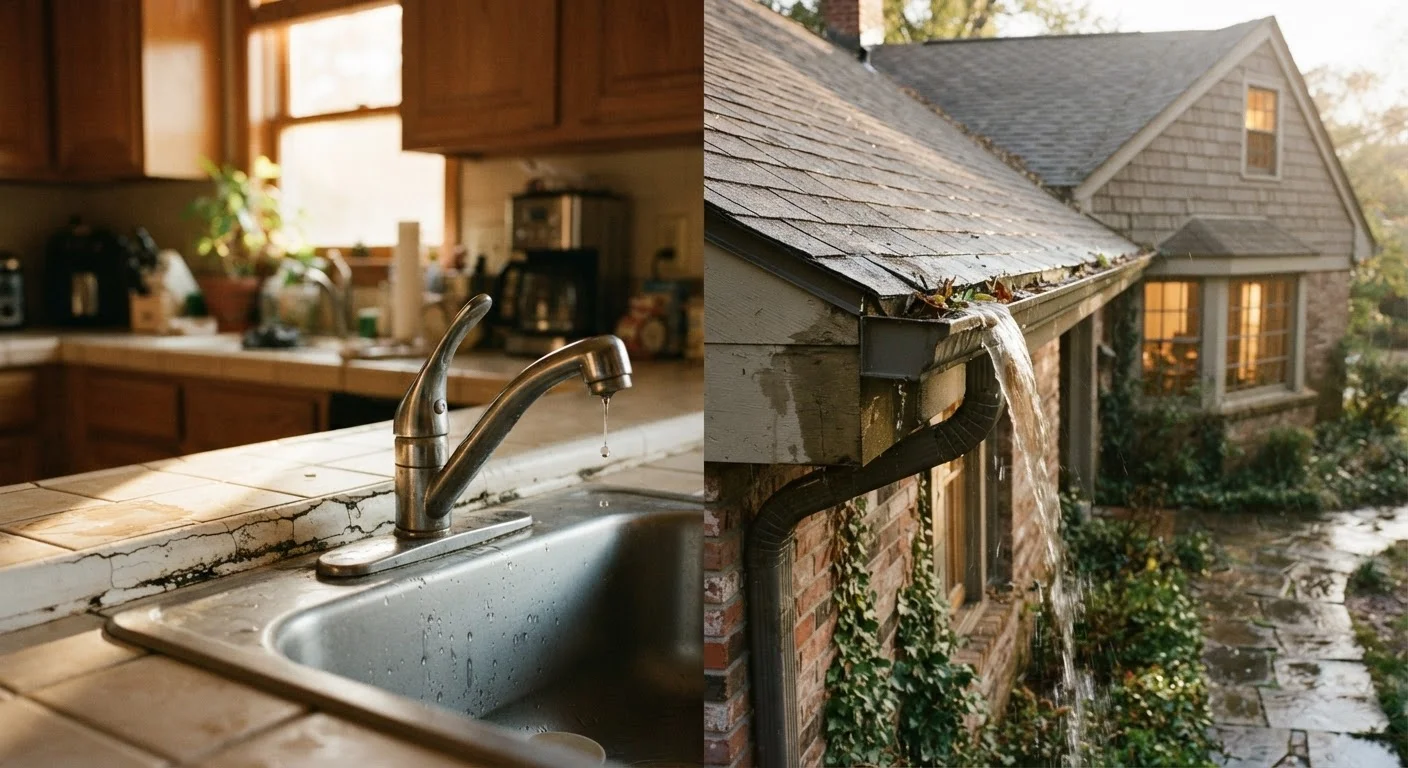
Photo credit: ResultsRover.com | Insights You Can Trust
From "paint seals out moisture" to "pouring boiling water clears drains," these common beliefs lead to wasted effort and real damage.
Key Takeaways
- Paint does not waterproof exterior surfaces - dedicated sealants and proper flashing do the real moisture-blocking work.
- Boiling water poured down drains can warp PVC pipes and rarely dissolves grease clogs effectively.
- Caulk and weatherstripping require regular replacement; a single application does not last the life of a home.
- Skipping HVAC filter changes costs more in energy and repairs than the filters themselves.
- Many neglected minor repairs grow exponentially more expensive when left unaddressed for even one season.
Why Home Maintenance Myths Are So Costly
Most home maintenance myths feel reasonable on the surface. That's precisely what makes them expensive. A belief that sounds logical - like "paint protects the wood" or "a slow drain just needs hot water" - can lead homeowners to skip a necessary repair or apply the wrong fix, turning a $20 problem into a $2,000 one.
The myths in this article aren't fringe ideas. They're widespread habits passed down through neighbors, online forums, and well-meaning relatives. Correcting them doesn't require expensive tools - just accurate information and a seasonal check-in mindset. For a broader look at how small gaps snowball, see our guide to how deferred repairs compound.
Myth
Paint seals out moisture and protects wood from water damage on its own.
Fact
Paint is a finish coat, not a waterproof barrier. Without proper flashing, caulking, and substrate preparation, moisture penetrates behind paint and causes rot.
This myth causes homeowners to skip the steps that actually prevent water intrusion - correctly installed flashing around windows and doors, intact caulk at joints, and primed surfaces. When paint is applied over bare or improperly sealed wood, water vapor still enters through micro-cracks and end grain. The paint layer can actually trap moisture inside, accelerating rot rather than preventing it.
For real moisture protection, focus on annual caulk and sealant inspection, proper flashing at roof and wall intersections, and verified drainage away from the foundation. Paint's job is weathering and aesthetics - it does both well, but only when the underlying envelope is sound.
Myth
Pouring boiling water down a slow drain will clear the clog and clean the pipes.
Fact
Boiling water can soften and warp PVC pipe joints, and it rarely dissolves the grease and debris that cause residential clogs effectively.
Most modern homes use PVC or CPVC drain lines, which have rated temperature limits well below boiling. Repeated hot-water treatments can loosen cemented joints over time, creating slow leaks inside walls. Meanwhile, grease clogs typically require a mechanical solution - a drain snake - or an appropriate enzyme-based cleaner for organic buildup.
If you're regularly dealing with slow drains, the issue is more likely a partial blockage or venting problem than something hot water can fix. Our plumbing basics overview explains how drain and vent systems work together and which issues are genuinely DIY-appropriate.
Myth
You only need to caulk or weatherstrip once - it lasts as long as the house does.
Fact
Most caulks and weatherstripping materials degrade within 5-10 years, and some high-movement areas need attention even sooner.
Caulk and weatherstripping are consumable materials subject to UV exposure, temperature cycling, and physical wear. Latex-based caulk around windows and doors can begin cracking within a few years in climates with wide temperature swings. Foam weatherstripping compresses permanently over time and loses its sealing ability long before it looks visibly damaged.
The fix is an annual visual inspection - ideally each fall before heating season - and prompt re-application wherever seals show cracking, gaps, or compression failure. Our article on choosing the right seal for each location explains which product type belongs where and how to apply both correctly.
Myth
Gutters only need attention if you can see leaves overflowing.
Fact
Gutters can be functionally blocked by fine debris, granules from shingles, or compacted sediment that isn't visible from the ground.
A gutter that looks clear from the yard may still be draining poorly due to invisible blockages at downspout openings, sagging sections that hold standing water, or accumulated shingle granules that have built up over years. Water that backs up or overflows near the foundation is one of the most common causes of basement moisture problems - a repair that can run into thousands of dollars.
Cleaning and inspecting gutters at least twice a year - typically spring and fall - catches these issues early. Our gutter cleaning and inspection guide covers what to look for and when a professional evaluation makes more sense than DIY.
Myth
Skipping an HVAC filter change for a few extra months saves money.
Fact
A clogged filter forces the system to work harder, increasing energy consumption and accelerating wear on the blower motor and heat exchanger.
HVAC filters are one of the lowest-cost maintenance items in a home, yet the myth that stretching their replacement interval is thrifty persists widely. In practice, a heavily restricted filter reduces airflow, which can cause the system to run longer cycles, raise energy bills, and - in heating mode - risk overheating the heat exchanger. Replacing filters on the manufacturer's recommended schedule (commonly every 1-3 months depending on filter type and household conditions) costs a fraction of what a service call or early equipment replacement does.
Skipping upkeep tasks like filter changes can also affect warranty coverage on HVAC equipment. Our article on maintenance gaps that void warranties details which oversights put coverage at risk.
What Smart Home Upkeep Actually Looks Like
Replacing myths with accurate habits doesn't mean doing more work - it means doing the right work. Checking caulk and weatherstripping annually, swapping HVAC filters on schedule, and cleaning gutters before the rainy season costs far less in time and money than reactive repairs. Our complete home maintenance guide breaks down what to inspect system by system.
DIY Has Limits - Know When to Call a Pro
Several of the fixes covered here - re-caulking windows, replacing weatherstripping, swapping HVAC filters - are genuine DIY tasks for most homeowners. Others, including anything touching electrical systems, gas lines, or structural components, require a licensed professional and often a permit. Attempting regulated work without proper qualifications can void insurance, create safety hazards, and result in code violations that surface at resale.
One habit worth building: walk the exterior of your home every spring and fall, noting anywhere sealants look cracked, paint is bubbling, or gutters are sagging. These visual cues rarely lie. For anything involving electrical, gas lines, or structural elements, always consult a licensed professional - some work is regulated and requires permits regardless of your skill level.
Breaking even one bad maintenance myth can prevent real financial harm. The same discipline that protects your home budget applies broadly - the spending myths article shows how false assumptions quietly drain money in other areas of life too.
35%
Of home energy loss through air leaks
The U.S. Department of Energy estimates that air leaks - addressable with caulk and weatherstripping - account for roughly 25-35% of heating and cooling energy loss in typical homes.
$15,000+
Average cost of basement water damage repair
According to industry estimates from restoration contractors, water intrusion into basements - often linked to clogged or failed gutters - can cost anywhere from several thousand to over $15,000 to remediate fully.

Author
Home & Garden Editorial Team
Home & Garden Editorial Team is the collective byline for our editorial team and contributor network. Articles published under this byline or an editorial pen name are researched, written, and reviewed according to our editorial standards for clarity, consistency, and independence before publication.
View all articles →