
Insulation, Air Sealing, and Weatherstripping: The Unsexy Upgrades That Save Real Money
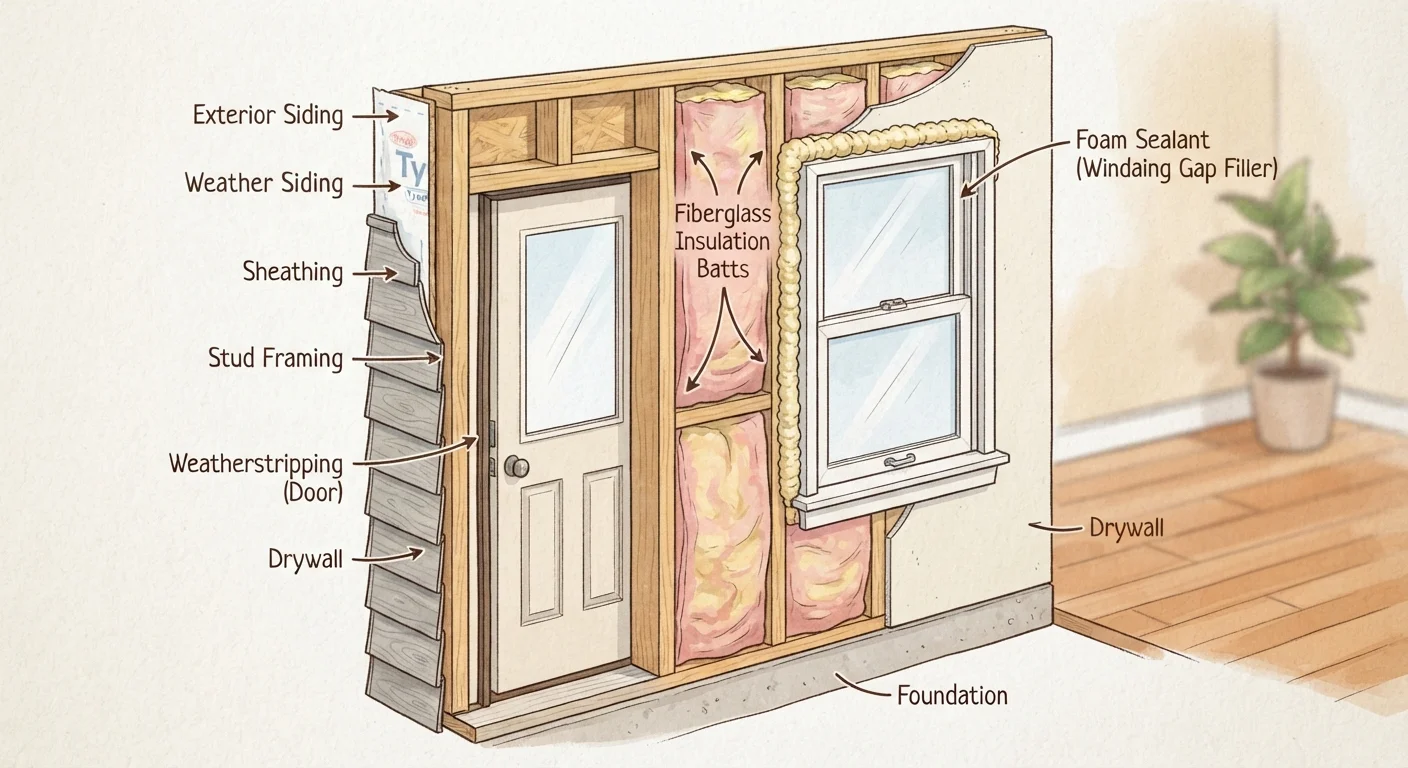
Photo credit: ResultsRover.com | Insights You Can Trust
In this article
Energy efficiency improvements rarely get the attention they deserve. Here's what each does, how much you might save, and which to prioritize first.
Key Takeaways
- Air leaks are responsible for a significant share of home heating and cooling loss, often more than poor insulation.
- Weatherstripping is a low-cost DIY fix that can noticeably reduce drafts and energy bills within one season.
- Attic insulation typically offers the fastest payback period of any insulation upgrade in most U.S. climates.
- Air sealing and insulation work best together - doing one without the other leaves money on the table.
- Federal tax credits may offset part of the cost of qualifying energy efficiency improvements - verify current eligibility.
Measurable reduction in monthly energy bills
Properly air-sealed and insulated homes require less energy to maintain comfortable temperatures, which translates directly to lower heating and cooling costs year-round.
Improves comfort throughout the home
Eliminating drafts and cold spots makes rooms feel more consistently comfortable, not just cheaper to condition - a benefit felt every day regardless of utility rates.
High return on investment relative to cost
Attic insulation in particular is frequently cited by energy experts as one of the highest-ROI home improvements, with payback periods often measured in just a few years.
Weatherstripping is a practical DIY project
Most door and window weatherstripping can be replaced by a homeowner in an afternoon with basic tools, keeping labor costs at zero and material costs low.
Potential eligibility for tax credits or rebates
Qualifying insulation and air sealing projects may be partially offset by federal tax credits or utility rebates, improving the overall financial case.
Reduces HVAC wear and extends equipment life
When a home holds conditioned air more effectively, the heating and cooling system runs fewer cycles, which can reduce maintenance needs and extend equipment lifespan.
Upfront costs can be significant for full insulation
Professional insulation installation - particularly blown-in attic insulation or wall cavity work - can run into the thousands of dollars, requiring careful budgeting.
Savings vary widely by climate and home condition
A home in Minnesota will see dramatically different results than one in Southern California. Payback periods depend heavily on local energy prices, climate, and the baseline condition of the home.
Older homes may have complicating factors
Pre-1980 construction may involve asbestos-containing insulation or vermiculite, which requires professional testing and remediation before any disturbance - adding cost and complexity.
Air sealing can affect indoor air quality if overdone
Sealing a home very tightly without addressing ventilation can trap pollutants and moisture indoors; proper mechanical ventilation or energy recovery ventilators (ERVs) may be needed in high-performance projects.
Results are invisible and hard to 'show off'
Unlike a remodeled kitchen, no one will admire your attic insulation - which can make it psychologically harder to prioritize despite its superior financial return.
Why These Three Upgrades Get Overlooked - And Why That's a Mistake
Kitchens get remodeled. Bathrooms get refreshed. But the upgrades that quietly drain your wallet - gaps around doors, under-insulated attics, cracked caulk around window frames - rarely make anyone's renovation wish list. That's a costly oversight.
The U.S. Department of Energy estimates that air leaks alone can account for 25-40% of the energy used for heating and cooling in a typical home. Weatherstripping, air sealing, and insulation address this loss directly. Unlike a new backsplash, these improvements keep paying you back every month on your utility bill.
As this explainer on deferred maintenance costs makes clear, small gaps and inefficiencies compound over time. The sooner you address them, the more you save.
Don't Confuse Air Sealing With Insulation
These two upgrades are complementary but not interchangeable. Insulation slows heat transfer; air sealing stops air movement. Doing one without the other leaves a significant performance gap. For example, adding attic insulation over gaps around light fixtures or plumbing penetrations without sealing those gaps first means conditioned air is still escaping freely. Address both for the best outcome.
What Each Upgrade Actually Does
Air Sealing
Air sealing means closing the unintentional gaps and cracks where conditioned air escapes and outdoor air sneaks in. Common culprits include gaps around recessed lights, plumbing penetrations, attic hatches, and the band joist (the framing at the top of your foundation wall). Materials include caulk, spray foam, and rigid foam board, depending on the gap size and location.
Insulation
Insulation slows the transfer of heat through your walls, ceiling, and floors. It doesn't stop air movement - that's air sealing's job - but it significantly reduces how fast your home gains or loses heat. Attic insulation is the most impactful upgrade in most climates because heat rises, and an under-insulated attic is essentially an open door for energy loss.
Weatherstripping
Weatherstripping seals the movable joints of doors and operable windows - the places where two surfaces meet and move. It comes in foam tape, V-strip (tension seal), door sweeps, and rubber gaskets. Unlike caulk, it's designed to compress and release repeatedly without failing. For seasonal window maintenance, checking and replacing weatherstripping is one of the most impactful steps.
Pros of Investing in These Upgrades
These improvements offer a combination of financial and comfort benefits that most cosmetic upgrades simply can't match.
Measurable reduction in monthly energy bills
Properly air-sealed and insulated homes require less energy to maintain comfortable temperatures, which translates directly to lower heating and cooling costs year-round.
Improves comfort throughout the home
Eliminating drafts and cold spots makes rooms feel more consistently comfortable, not just cheaper to condition - a benefit felt every day regardless of utility rates.
High return on investment relative to cost
Attic insulation in particular is frequently cited by energy experts as one of the highest-ROI home improvements, with payback periods often measured in just a few years.
Weatherstripping is a practical DIY project
Most door and window weatherstripping can be replaced by a homeowner in an afternoon with basic tools, keeping labor costs at zero and material costs low.
Potential eligibility for tax credits or rebates
Qualifying insulation and air sealing projects may be partially offset by federal tax credits or utility rebates, improving the overall financial case.
Reduces HVAC wear and extends equipment life
When a home holds conditioned air more effectively, the heating and cooling system runs fewer cycles, which can reduce maintenance needs and extend equipment lifespan.
Cons and Honest Limitations
No upgrade is right for every situation. Here's what to weigh before you commit.
Upfront costs can be significant for full insulation
Professional insulation installation - particularly blown-in attic insulation or wall cavity work - can run into the thousands of dollars, requiring careful budgeting.
Savings vary widely by climate and home condition
A home in Minnesota will see dramatically different results than one in Southern California. Payback periods depend heavily on local energy prices, climate, and the baseline condition of the home.
Older homes may have complicating factors
Pre-1980 construction may involve asbestos-containing insulation or vermiculite, which requires professional testing and remediation before any disturbance - adding cost and complexity.
Air sealing can affect indoor air quality if overdone
Sealing a home very tightly without addressing ventilation can trap pollutants and moisture indoors; proper mechanical ventilation or energy recovery ventilators (ERVs) may be needed in high-performance projects.
Results are invisible and hard to 'show off'
Unlike a remodeled kitchen, no one will admire your attic insulation - which can make it psychologically harder to prioritize despite its superior financial return.
How to Prioritize: A Simple Decision Framework
If budget is limited, work in this order:
- Air seal first. Plugging gaps is cheap and prevents insulation from underperforming. A can of spray foam and a tube of caulk can address most DIY-accessible leaks for under $30.
- Add or upgrade attic insulation. Heat rises. If your attic is under-insulated (below the R-value recommended for your climate zone by the Department of Energy), adding insulation here typically offers the fastest payback.
- Replace weatherstripping. Check all exterior doors and operable windows. If you can feel a draft or see daylight around the frame, the seal has failed. This is a straightforward DIY task for most homeowners.
Before starting any insulation project in an older home, verify whether asbestos testing is needed - homes built before 1980 may contain materials that require professional assessment before disturbance.
25-40%
Home energy lost to air leaks
The U.S. Department of Energy estimates that air leakage accounts for a quarter to nearly half of heating and cooling energy use in a typical home.
~15%
Potential savings from air sealing and insulation
The EPA's ENERGY STAR program estimates that comprehensive air sealing and insulation can save homeowners around 15% on total energy costs on average.
For a broader pre-winter approach, the fall home prep checklist covers how to sequence these tasks alongside other seasonal priorities.
Tax Credits and Rebates: A Financial Boost Worth Checking
The federal government and many state utility programs offer financial incentives for qualifying energy efficiency improvements, including insulation and air sealing. The federal Inflation Reduction Act introduced or expanded several residential energy tax credits - consult the IRS website or a qualified tax professional to confirm what's currently available and whether your planned project qualifies.
Utility-sponsored rebate programs vary widely by provider and region. Contact your local utility directly or check the DSIRE database (Database of State Incentives for Renewables and Efficiency) for what's available in your area.
Thinking about where efficiency upgrades fit in your overall smart spending plan? Treat them as investments with a measurable payback period rather than discretionary purchases.
This article provides general home improvement information only. Always verify local building codes, permit requirements, and consult a licensed professional for any work involving electrical, structural, or hazardous materials.

Author
Home & Garden Editorial Team
Home & Garden Editorial Team is the collective byline for our editorial team and contributor network. Articles published under this byline or an editorial pen name are researched, written, and reviewed according to our editorial standards for clarity, consistency, and independence before publication.
View all articles →