
Fall Yard Prep: A Room-by-Room Outdoor Checklist Before the First Frost
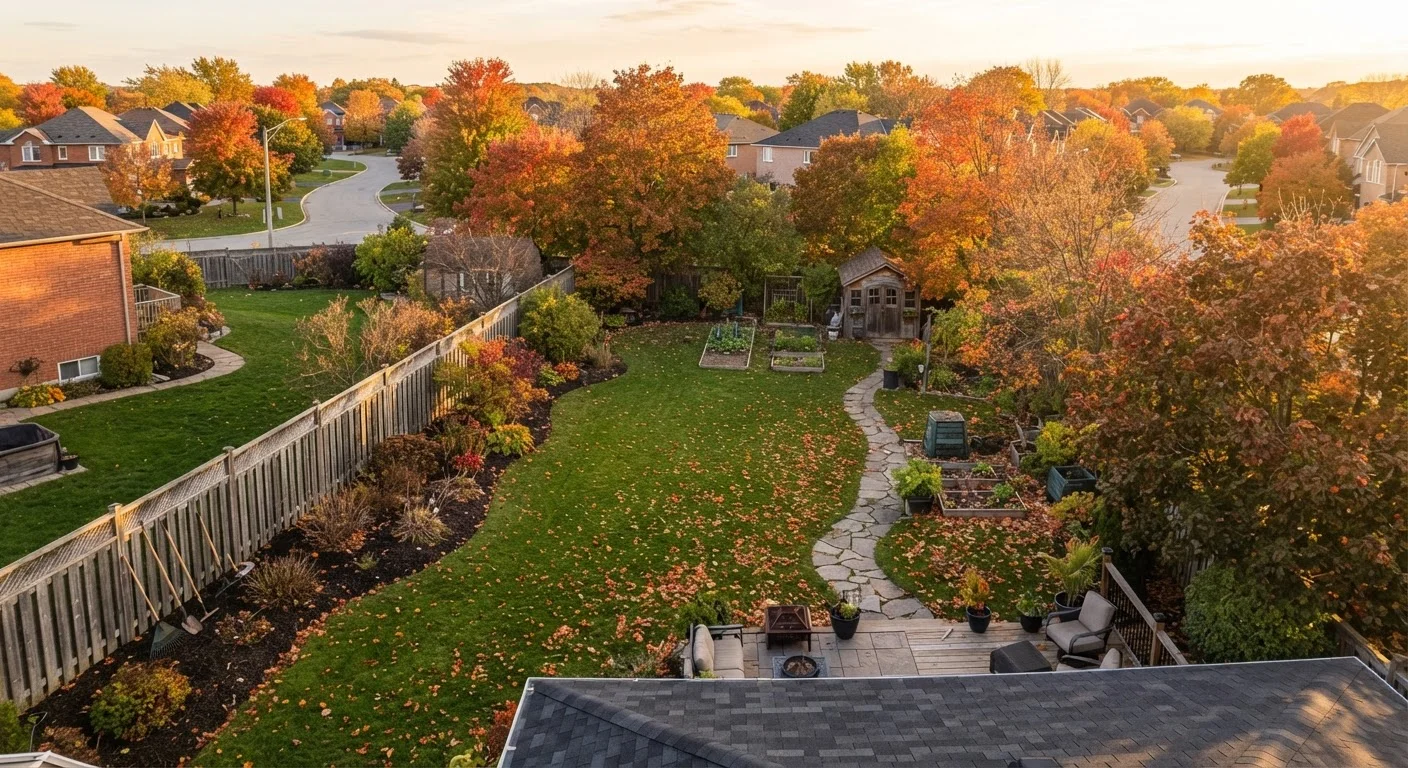
Photo credit: ResultsRover.com | Insights You Can Trust
Cover every corner of your outdoor space before cold weather arrives. This checklist walks through beds, lawn, tools, and irrigation.
Key Takeaways
- Cutting grass too short before winter leaves it vulnerable to frost damage and spring bare spots.
- Draining irrigation lines before the first freeze prevents costly pipe and fitting repairs.
- Mulching garden beds in fall insulates roots and suppresses early spring weeds.
- Cleaning and storing tools properly extends their life by several seasons.
- Fall is the best window to overseed cool-season lawns for thicker spring growth.
Why Fall Yard Prep Pays Off
Most yard damage that shows up in spring - bare lawn patches, cracked irrigation fittings, rotted tool handles - traces back to skipped fall tasks. Cold weather doesn't destroy yards; unpreparedness does. A few hours of methodical work before your area's first frost date can spare you weeks of remediation come March.
Think of your outdoor space in zones: the lawn, planting beds, hardscape, irrigation, and tools and equipment. Working through each zone one at a time prevents the common mistake of doing a little everywhere and finishing nothing completely. This checklist is organized that way so you can tackle zones across a weekend without losing track.
For homeowners who've also been thinking about their home's interior and mechanical systems, our fall home prep checklist covers insulation, pipes, and heating - a natural companion to this outdoor guide.
Leaf rake
Clearing fallen leaves from lawn and bed surfaces before they mat down.
Garden fork or aerator
Loosening compacted soil in lawn areas before winter dormancy.
Mulch or shredded leaves
Insulating planting beds and protecting root systems through freezing temperatures.
Fuel stabilizer
Preventing gasoline degradation in stored outdoor power equipment.
Compressed air or irrigation blow-out kit
Clearing water from in-ground sprinkler lines to prevent freeze damage.
Metal file or sharpening stone
Sharpening mower blades and hand tools before winter storage.
Linseed or tool oil
Coating metal tool surfaces to prevent rust during off-season storage.
The Full Checklist by Zone
Work through each zone below in order. The lawn and beds require the most time; irrigation and tools go faster but are easy to forget entirely.
Lawn
Planting Beds
Irrigation System
Tools and Equipment
Hardscape and Outdoor Structures
Don't Skip the Irrigation Blowout
Even a small amount of water left in underground sprinkler lines can expand as it freezes, cracking PVC pipes and damaging heads. In-ground systems with pressurized lines should be blown out with compressed air - if you haven't done this before, consider hiring a licensed irrigation technician rather than attempting it yourself. The cost of a service call is typically far less than replacing damaged pipe runs.
If your yard includes raised garden beds, the bed-prep steps below apply there too. Our raised bed gardening guide includes seasonal care details that complement what's covered here.
Bare spots or color changes you notice while mowing are worth diagnosing now rather than in spring. Our guide to reading your lawn's warning signs can help you tell the difference between normal dormancy and a real problem.
A Few Things to Keep in Mind
Not every task applies to every climate or yard type. Bermuda grass lawns in warmer zones are managed differently than Kentucky bluegrass in northern states - when in doubt, check with your local cooperative extension service for region-specific timing on tasks like overseeding and fertilizing.
If your yard features patios, gravel paths, or stone edging, fall is also a good moment to inspect those surfaces for shifting or cracks before freeze-thaw cycles widen them. Our hardscaping on a budget guide walks through basic repairs you can handle without a landscaper.
Timing Matters More Than Thoroughness
Many of these tasks have a narrow effective window. Overseeding and fertilizing lose their value once the ground freezes, and waiting too long to drain irrigation lines risks immediate damage. Check your area's average first frost date - available through the National Weather Service or your local cooperative extension - and work backward at least two to three weeks to schedule these tasks.
Finally, for broader home maintenance context, keep this checklist alongside your indoor prep tasks so nothing falls through the cracks before cold weather sets in.

Author
Home & Garden Editorial Team
Home & Garden Editorial Team is the collective byline for our editorial team and contributor network. Articles published under this byline or an editorial pen name are researched, written, and reviewed according to our editorial standards for clarity, consistency, and independence before publication.
View all articles →