
Fall Home Prep: Getting Your House Ready Before the Cold Arrives
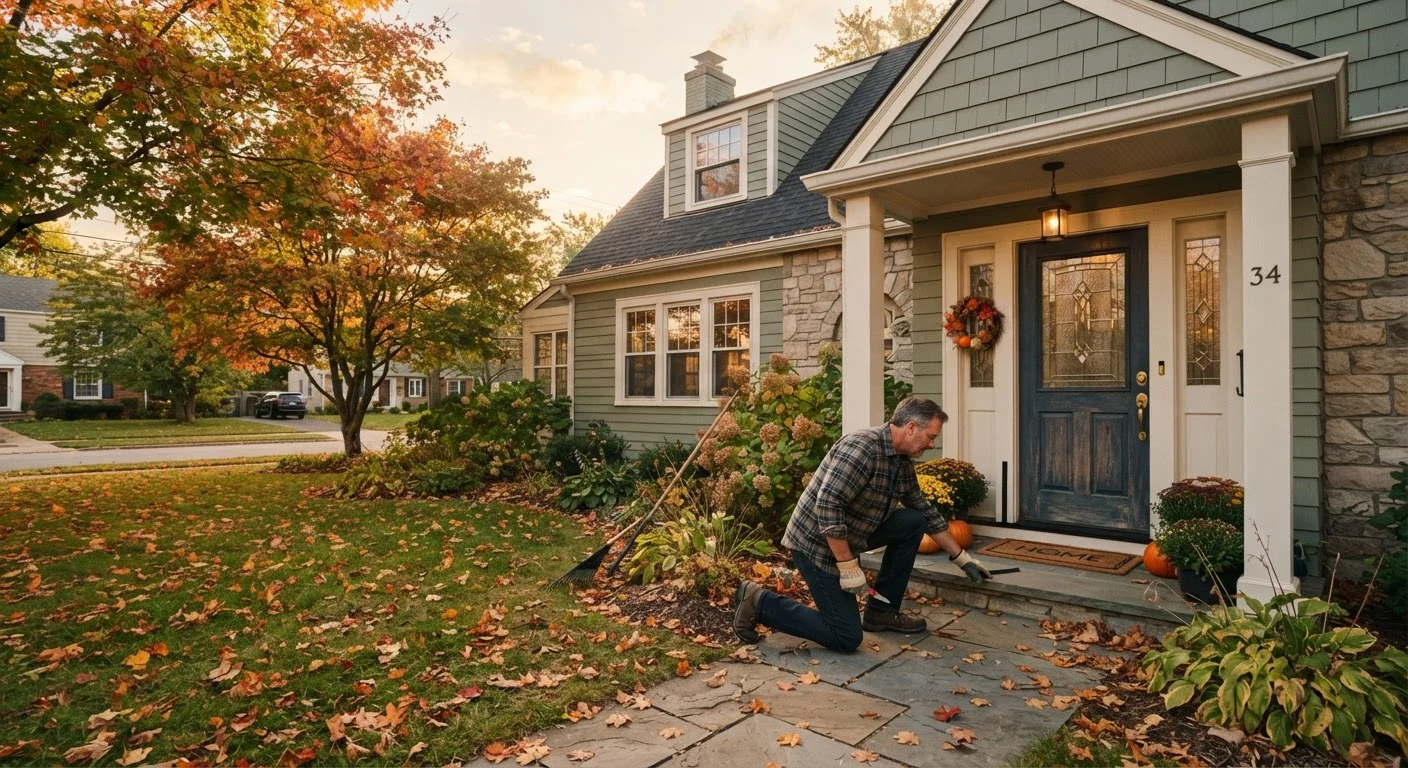
Photo credit: ResultsRover.com | Insights You Can Trust
In this article
A practical pre-winter checklist covering insulation, pipes, heating systems, and exterior weatherproofing before temperatures drop.
Key Takeaways
- Sealing air leaks around doors, windows, and pipes is one of the most cost-effective fall tasks you can do.
- Having your heating system inspected before the cold season starts reduces the risk of mid-winter breakdowns.
- Uninsulated or exposed pipes in unheated spaces are a serious freeze risk and should be addressed before temperatures drop.
- Gutters clogged with leaves can cause ice dams and water intrusion - cleaning them is a must-do, not optional.
- Exterior prep, from covering outdoor faucets to storing garden hoses, takes under an hour and prevents expensive damage.
Why Fall Prep Pays Off
Waiting until the first hard freeze to discover a drafty door, a faltering furnace, or a cracked exterior caulk line is a stressful and expensive lesson. A focused pre-winter walkthrough - ideally completed before nighttime temperatures consistently fall below 40°F - lets you catch small problems before they become emergency repairs.
This checklist is organized into four practical categories so you can tackle tasks room by room, system by system, or weekend by weekend. It pairs well with the full-year maintenance calendar if you want to fold these tasks into a broader upkeep routine.
Leave Gas and Electrical Work to Licensed Pros
Tasks involving gas lines, the furnace heat exchanger, electrical panels, or structural components should always be performed by a licensed professional. Attempting these repairs without proper training and permits can create safety hazards and may violate local building codes. When in doubt, call a qualified contractor - the cost of a service visit is far less than the cost of a preventable accident.
Tools and Supplies You'll Need
Before you start, gather the basics. Most of these items are inexpensive and available at hardware stores. Having them on hand prevents you from stopping mid-task.
Caulk gun and exterior-grade caulk
Used to seal gaps around window frames, door frames, and exterior wall penetrations.
Weatherstripping (foam, V-strip, or door sweep)
Seals the gaps at the edges and base of exterior doors to stop drafts.
Foam pipe insulation
Wraps exposed pipes in unheated areas to protect them from freezing temperatures.
Furnace filter (correct size for your system)
Replaces the old filter so your heating system runs cleanly and efficiently.
Gutter scoop or garden trowel
Removes compacted leaf debris from gutters quickly without damaging the gutter liner.
Outlet foam gaskets
Inexpensive inserts placed behind outlet and switch covers on exterior walls to reduce drafts.
Candle or incense stick
A low-tech draft detector - a flickering flame near a door or window edge reveals air infiltration.
Extension ladder (or hire a professional)
Needed for safe gutter cleaning and roof inspection - use only if you are comfortable working at height.
The Fall Home Prep Checklist
Work through each group below, checking off items as you go. Items marked must are non-negotiable for safety or serious damage prevention. Should items are strongly recommended, and nice-to-have tasks are worth doing if time allows.
Heating System
Pipes and Plumbing
Insulation and Air Sealing
Exterior and Roof
For a deeper look at sealing gaps and upgrading insulation, see our guide on insulation, air sealing, and weatherstripping - it explains which improvements typically deliver the biggest return.
Don't Forget the Outdoors and Windows
Your exterior envelope - the outer shell of your home - is your first defense against cold-weather energy loss and moisture damage. Windows deserve particular attention; they're a leading source of heat loss in older homes. Our seasonal window maintenance guide walks through exactly what to inspect and reseal each fall.
Outdoor spaces also need attention before the first frost. If you haven't addressed your yard yet, the fall yard prep checklist covers beds, lawn, irrigation, and garden tools. And if you're also winterizing a vehicle this season, the seasonal vehicle prep guide is a useful companion resource.
Carbon Monoxide Risk Rises in Winter
As homes are sealed tighter and heating systems run continuously, carbon monoxide (CO) - an odorless, colorless gas - becomes a serious risk. Make sure CO detectors are installed on every level of your home, especially near sleeping areas. Test them before the heating season starts and replace units that are more than seven years old. If a CO alarm sounds, leave the building immediately and call emergency services.
This article is for general informational purposes only. Always verify local building codes and consult a licensed professional before undertaking electrical, gas, or structural work in your home.

Author
Home & Garden Editorial Team
Home & Garden Editorial Team is the collective byline for our editorial team and contributor network. Articles published under this byline or an editorial pen name are researched, written, and reviewed according to our editorial standards for clarity, consistency, and independence before publication.
View all articles →