
Seasonal Vehicle Prep: Getting Your Car Ready for Winter
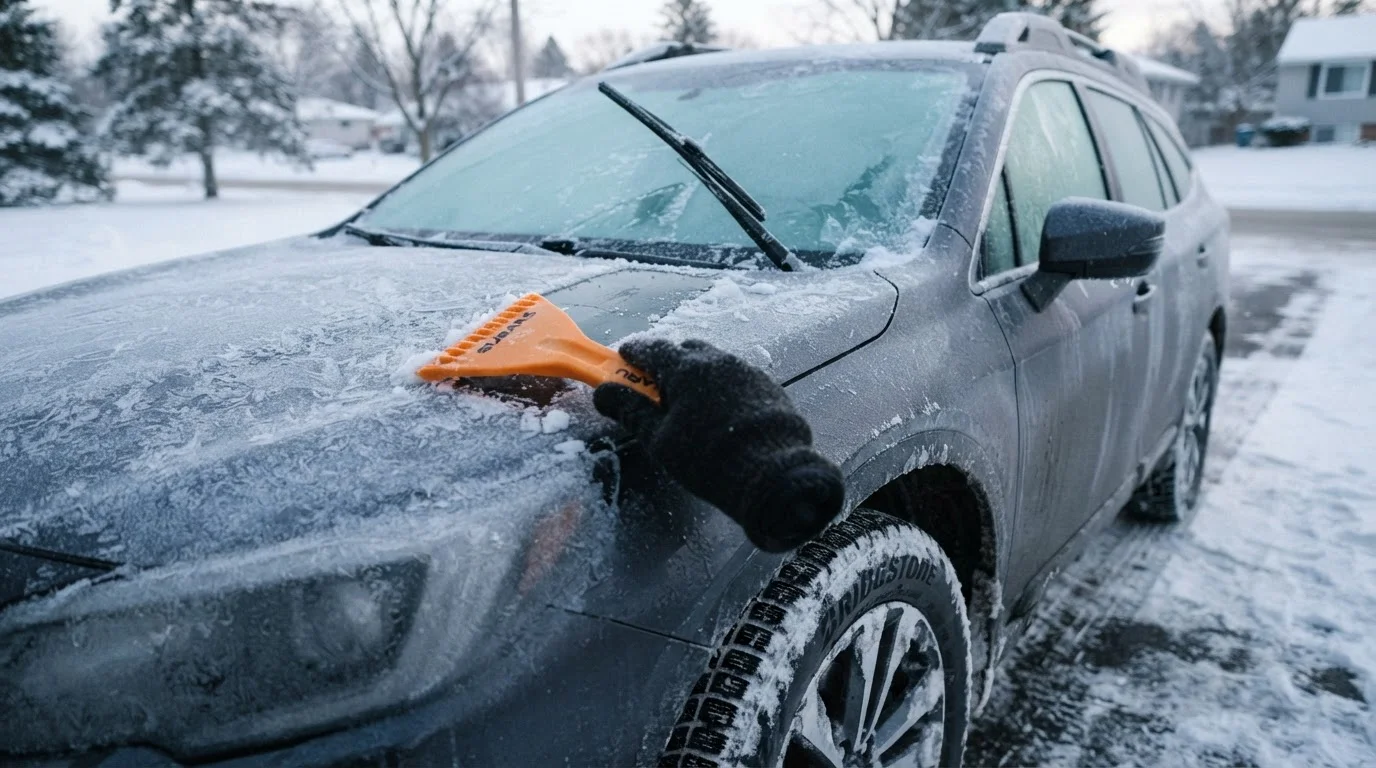
Photo credit: ResultsRover.com | Insights You Can Trust
In this article
Cold weather stresses batteries, tires, and fluids differently than summer does. Walk through each system before temperatures drop.
Key Takeaways
- Cold temperatures can cut battery capacity significantly - test yours before the first freeze.
- Tire pressure drops roughly 1 PSI for every 10°F drop in temperature, affecting traction and fuel economy.
- Antifreeze concentration should be checked annually; old coolant loses its freeze protection over time.
- Winter wiper blades and washer fluid rated below freezing are low-cost items that make a real safety difference.
- Brake and lighting systems take extra stress in winter conditions - inspect both before temperatures drop.
Why Winter Prep Is Different From Routine Maintenance
Routine maintenance keeps your car running. Winter prep keeps it running reliably when conditions punish every weakness. Cold temperatures thicken fluids, shrink tire pressure, and drain battery reserve capacity - often all at once. A battery that started your car without hesitation all summer can fail on a 15°F morning. Tires properly inflated in September may be dangerously underinflated by November.
This checklist is designed to be worked through system by system before temperatures consistently fall below 40°F. If your vehicle is higher-mileage, some items carry added urgency - the maintenance priorities for older vehicles guide covers what needs extra attention past 100,000 miles. And if you're curious how winter prep fits into your broader service intervals, see what your car's maintenance schedule actually means.
Battery load tester
Measures actual battery output under simulated cold-start demand - more accurate than a voltage check.
Tire pressure gauge
Verifies accurate PSI on all tires before and throughout winter months.
Coolant test strips or refractometer
Tests antifreeze concentration to confirm protection at your region's low temperatures.
Tread depth gauge or coin
Measures remaining tire tread to determine whether tires are safe for winter driving.
Terminal cleaning brush
Removes corrosion from battery terminals to ensure a solid electrical connection.
Jumper cables or portable jump starter
Essential emergency equipment for cold-weather battery failures.
The Winter Readiness Checklist
Work through each group below. Items marked must are non-negotiable for safe winter operation. Should items are strongly recommended. Nice-to-have additions provide extra peace of mind but won't strand you if skipped.
Battery & Electrical
Tires & Traction
Fluids
Wipers, Brakes & Safety Equipment
Belts, Hoses & Heating
Don't Skip the Battery Test
Cold weather is the most common trigger for battery failure because low temperatures reduce a battery's ability to deliver current. A battery operating at 50% capacity in summer can drop to well below usable reserve at 0°F. Have your battery load-tested - not just voltage-checked - before temperatures drop. Most auto parts retailers offer this service for free.
When to Call a Mechanic Instead of DIY
Several items on this checklist - particularly battery load testing, brake inspection, and coolant flush - benefit from a professional's tools and eye. A load tester gives a far more accurate battery reading than a simple voltage check. Brake system inspection requires lifting the vehicle safely and knowing what worn rotors, low pad depth, and soft brake lines actually look like.
If you're uncertain about any of these tasks, schedule a pre-winter inspection appointment. Many shops offer seasonal vehicle checks as a packaged service. A single shop visit that surfaces a failing battery or cracked belt costs far less than a roadside breakdown or tow. For a sense of what a formal inspection covers, here's what inspectors examine and how to arrive prepared.
Brake Work Requires Professional Tools and Training
Inspecting brake pads for thickness and rotors for scoring is a task that requires lifting the vehicle safely on jack stands or a lift. If you're not experienced with brake system service, have a qualified mechanic perform the inspection. Brake failure is not a recoverable situation on icy roads - this is not a corner to cut.
If you're also winterizing a secondary or seasonal vehicle that will sit unused for months, the steps are somewhat different - long-term vehicle storage guidance covers protecting batteries, tires, fuel, and seals during extended periods off the road.
This article provides general educational information about vehicle maintenance. It is not a substitute for advice from a qualified mechanic familiar with your specific vehicle. Always follow your owner's manual and consult a professional when in doubt about any repair or inspection task.

Author
Auto Essentials Editorial Team
Auto Essentials Editorial Team is the collective byline for our editorial team and contributor network. Articles published under this byline or an editorial pen name are researched, written, and reviewed according to our editorial standards for clarity, consistency, and independence before publication.
View all articles →