
Window Maintenance Through the Seasons: Sealing, Cleaning, and Spotting Failures Early
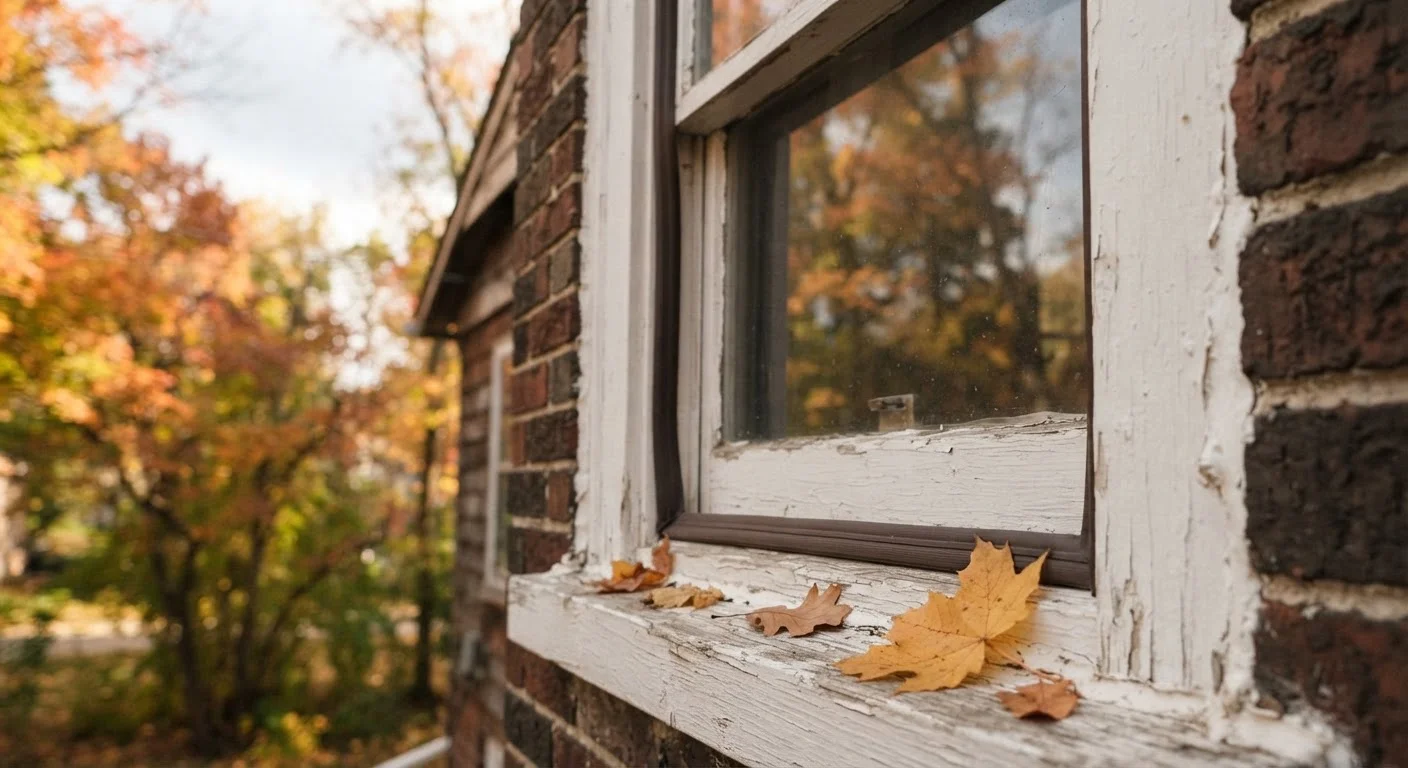
Photo credit: ResultsRover.com | Insights You Can Trust
In this article
Windows are a leading source of energy loss and water intrusion. This seasonal guide covers what to inspect, clean, and reseal — and when.
Key Takeaways
- Windows are among the top sources of air leakage and heat loss in most American homes.
- Inspecting seals twice a year - in early spring and early fall - catches failures before weather extremes hit.
- Cracked caulk, foggy glass, and stiff hardware are early warning signs that are cheap to fix if caught promptly.
- Cleaning tracks, weep holes, and glass removes buildup that accelerates frame and seal deterioration.
- Some window failures - rotted frames, failed IGU seals, or structural damage - require professional assessment.
Why Windows Deserve Year-Round Attention
Windows do more than let in light. They separate conditioned air from the outdoors, manage moisture, and take a daily beating from UV exposure, temperature swings, and wind-driven rain. When seals degrade or frames warp, the consequences show up fast: drafts, condensation between panes, water stains on interior walls, and higher energy bills.
According to the U.S. Department of Energy, heat gain and loss through windows can account for 25-30% of residential heating and cooling energy use. That makes window upkeep one of the higher-return maintenance habits a homeowner can develop. The full picture of seasonal home tasks is covered in our annual home maintenance calendar, but windows deserve a focused look of their own.
25-30%
Home energy lost through windows
According to the U.S. Department of Energy, heat gain and loss through windows accounts for roughly a quarter to a third of residential heating and cooling energy use.
2x/year
Recommended window inspection frequency
Home maintenance guidance consistently recommends inspecting window seals and hardware at least twice annually - once in spring and once in fall - to catch failures before seasonal extremes.
The Seasonal Inspection Routine
Two thorough inspections per year - one in early spring after freeze-thaw cycles, one in early fall before heating season - will catch most problems at a fixable stage. Here's what to examine at each pass:
- Caulk lines: Run a finger along the exterior bead where the frame meets the siding or brick. Healthy caulk is slightly flexible. Caulk that crumbles, pulls away, or has visible gaps needs replacing.
- Weatherstripping: Open each window and press the weatherstripping (the foam or rubber gasket lining the sash). If it doesn't spring back, it's compressed and no longer sealing. Our guide to caulk vs. weatherstripping explains exactly which seal belongs where.
- Glass and glazing: Look for fogging or moisture trapped between panes - a sign the insulated glass unit (IGU) seal has failed. Also inspect the glazing compound on older single-pane windows for cracks or missing sections.
- Frame and sill: Press wood frames gently with a screwdriver handle. Soft or spongy wood indicates rot that can spread to surrounding structure if left unaddressed.
- Hardware: Locks, handles, and hinges that stick or won't engage fully leave gaps in the seal. Lubricate or replace as needed.
Fall prep ties directly into window inspection - see our fall home prep checklist for a broader pre-winter walkthrough.
Inspect exterior caulk in both spring and fall, replacing any bead that is cracked, shrinking, or pulling away from the surface.
Exterior caulk is the primary barrier against water intrusion at the window-to-wall junction. A small gap can allow gallons of water to enter the wall cavity during a single storm, leading to mold and rot that far exceeds the cost of a tube of caulk.
Test and replace compressed or torn weatherstripping at the start of heating season each year.
Weatherstripping controls air infiltration at the movable sash - where caulk cannot be used. Degraded weatherstripping allows cold drafts and humid air in, reducing comfort and raising heating costs.
Clear weep holes at every cleaning cycle to keep drainage channels open.
Weep holes are designed to evacuate water that collects inside window frames. When blocked by debris, dirt, or paint overspray, water backs up and saturates the frame and sill, accelerating rot and seal failure.
Document the condition of each window with photos during each inspection cycle.
Visual records make it easy to track whether a minor issue - a small crack in the glazing compound, a slightly soft frame corner - is staying stable or getting worse. This also helps when communicating with contractors or making insurance claims.
Lubricate window hardware annually with a silicone-based lubricant to maintain a proper closure seal.
Stiff or binding hardware prevents windows from closing fully, leaving gaps in the weatherstripping contact. Silicone lubricant (not oil-based, which attracts dirt) keeps moving parts operating smoothly without damaging surrounding materials.
Cleaning That Actually Protects Your Windows
Cleaning windows isn't just cosmetic. Dirt and mineral deposits in tracks and weep holes (the small slots at the bottom of window frames that drain water) can trap moisture against frames and seals, speeding up deterioration.
Clean Tracks Before You Lubricate
Applying lubricant to a dirty track traps grit against the frame and seal, accelerating wear. Always vacuum and wipe tracks completely clean before applying any silicone spray or lubricant. A few minutes of prep extends the life of both the track and the weatherstripping it contacts.
Follow this sequence for each window:
- Vacuum tracks and sills to remove loose debris before introducing any liquid.
- Wipe tracks with a damp cloth, then a dry one. For stubborn buildup, a cotton swab with rubbing alcohol works well.
- Clear weep holes with a thin wire or toothpick - never seal them, as they are intentional drainage points.
- Clean glass with a diluted vinegar-and-water solution or a commercial glass cleaner. Avoid abrasive pads that scratch coatings.
- Dry frames and sills thoroughly before closing the window.
If your bathroom windows show persistent moisture, the broader challenge of sealant maintenance around wet areas is covered in our guide to bathroom sealants.
Resealing Windows: What's a DIY Job and What Isn't
Replacing exterior caulk and interior weatherstripping are well within reach for most homeowners and require only basic tools. The key is surface prep: old caulk must be fully removed and the surface dry before a new bead goes down. Applying fresh caulk over old failed caulk traps moisture and gives the new bead nothing solid to adhere to.
Some situations, however, call for professional help:
- Failed IGU seals: Fogged double- or triple-pane glass usually means the sealed unit needs replacement. This is a glazier's job, not a caulk fix.
- Rotted wood frames: Superficial rot can sometimes be stabilized with epoxy consolidants and filler, but extensive rot requires frame replacement by a contractor.
- Structural gaps: Large gaps between the window unit and the rough opening (the framed hole in the wall) may indicate settling or improper installation and warrant a professional inspection.
For a deeper look at the energy savings that come from proper air sealing, our piece on insulation and air sealing upgrades puts the numbers in context.
When Permits May Be Required
Replacing an entire window unit - as opposed to resealing or re-glazing - is often considered a regulated repair in many jurisdictions, particularly if it involves structural changes or egress windows. Check with your local building department before replacing full window units. Requirements vary significantly by municipality.

Author
Home & Garden Editorial Team
Home & Garden Editorial Team is the collective byline for our editorial team and contributor network. Articles published under this byline or an editorial pen name are researched, written, and reviewed according to our editorial standards for clarity, consistency, and independence before publication.
View all articles →