
Home Improvement Permits: What Requires One and Why It Matters
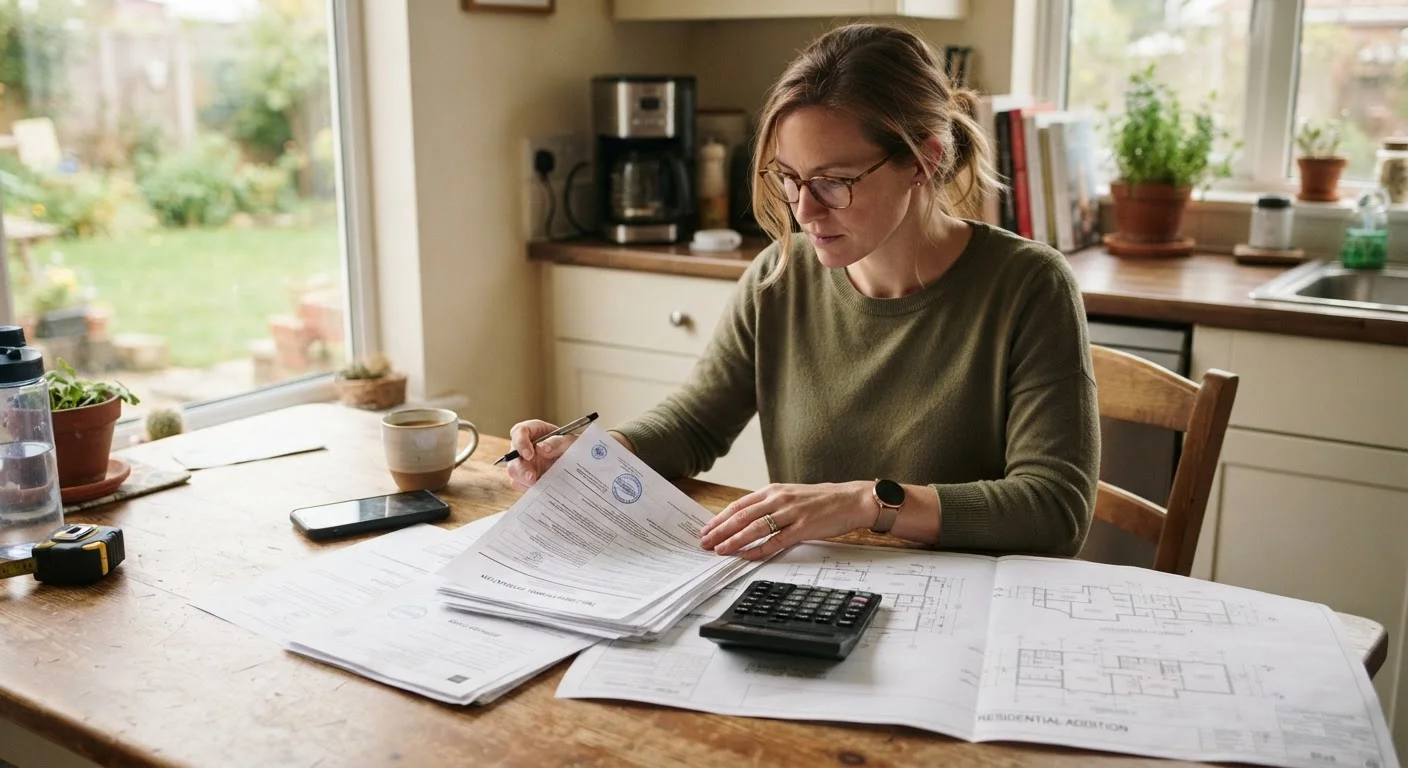
Photo credit: ResultsRover.com | Insights You Can Trust
In this article
Skipping a required permit can cost you far more than the permit itself. Learn which projects typically require permits and what happens if you bypass them.
Why Permits Exist - and Why Skipping Them Backfires
Building permits aren't bureaucratic busywork. They exist to ensure that work on your home meets minimum safety and structural standards established by your local jurisdiction. An inspector who reviews permitted work is, in effect, a second set of trained eyes protecting you, your family, and future buyers from hidden hazards.
Skipping a required permit can trigger serious consequences. Local authorities can issue a stop-work order and require you to open walls so inspectors can verify what was done. You may be required to undo completed work entirely. When you sell, unpermitted improvements often surface during the buyer's inspection or title search - and can kill a sale, reduce your asking price, or expose you to legal liability. Home insurance claims related to unpermitted work may also be denied. As a general rule, the permit fee is almost always less expensive than the fallout from not having one.
See our guide to common home improvement myths for more misconceptions that cost homeowners real money.
Projects That Typically Require a Permit
Permit requirements vary by municipality, so always verify with your local building department before starting work. That said, the following categories almost universally require a permit across U.S. jurisdictions:
- Structural changes: Removing or adding walls, adding a room, finishing a basement or attic, building a deck or porch.
- Electrical work: Adding or moving circuits, upgrading a panel, installing new outlets or fixtures beyond simple replacements.
- Plumbing: Relocating pipes, adding a bathroom, replacing a water heater, or tying into the main line.
- HVAC systems: Installing or replacing a furnace, central air, or ductwork; adding a gas line.
- Roofing: Full tear-offs and replacements (some jurisdictions exempt simple re-roofing over existing material).
- Fences and retaining walls: Many localities require permits above a certain height - often four to six feet.
- Accessory structures: Detached garages, sheds above a specified square footage, and pool installations.
For a broader view of where permits fit into the overall project lifecycle, see our resource on planning and executing a home improvement project.
Contractor Responsibility vs. Homeowner Responsibility
When you hire a licensed contractor, they often obtain permits on your behalf - but the legal responsibility for ensuring work is permitted ultimately rests with the property owner. Always confirm before work begins who is responsible for pulling the permit and how inspections will be scheduled. If a contractor discourages you from getting a permit, treat that as a red flag.
Projects That Usually Don't Need a Permit
Many cosmetic and minor repairs don't require permits, though again - confirm locally. Tasks that are typically exempt include:
- Painting interiors or exteriors
- Installing flooring, carpet, or tile (without structural subfloor changes)
- Replacing fixtures like faucets, toilets, or light fixtures in kind
- Repairing or replacing drywall in small sections
- Installing cabinets or countertops
- Landscaping that doesn't alter drainage significantly
Even exempt projects may trigger permit requirements if they reveal or create code violations - for example, replacing a bathroom vanity that uncovers outdated plumbing. When in doubt, a quick call to your local building department costs nothing and protects you from expensive surprises.
If you're weighing DIY versus hiring a licensed contractor, permit obligations are a key factor. Our realistic framework for deciding between DIY and a licensed contractor can help you think through the tradeoffs carefully.
Building Permit
An official government authorization required before starting certain construction or renovation work. It ensures the project will comply with local safety codes and standards.
Certificate of Occupancy
A document issued by the local building authority confirming that a structure or addition meets code requirements and is safe for use or habitation.
Rough-In Inspection
An inspection that occurs after framing, wiring, or plumbing is installed but before walls are closed up, allowing inspectors to verify hidden work meets code.
Unpermitted Work
Construction or renovation completed without the required permits. Unpermitted work can create legal, insurance, and resale complications for homeowners.
Jurisdiction
The specific local authority - city, county, or municipality - that governs building codes and permit requirements for a given property.
How to Get a Permit - and What to Expect
The permit process is more straightforward than most homeowners expect. Here's the general sequence:
- Contact your local building department. Most cities and counties have an online portal where you can determine which permits apply to your project scope.
- Submit an application. You'll typically provide a project description, scope of work, and sometimes basic drawings or plans. Contractors often handle this on a homeowner's behalf.
- Pay the fee. Fees vary widely - from under $50 for minor work to several hundred dollars for major projects - but are almost always a small fraction of total project cost.
- Schedule inspections. Depending on the project, an inspector may visit at one or more stages (rough-in and final are common). Plan your timeline to accommodate this.
- Receive your final sign-off. Once work passes inspection, you'll receive a certificate of completion or similar document. Store this with your home records.
Note that work done by unlicensed contractors can also affect your home warranty coverage. See our article on upkeep mistakes that void common home warranties to understand how the two issues intersect.
This article provides general educational information about home improvement permit practices in the United States. Requirements vary significantly by state, county, and municipality. Always verify permit obligations with your local building department or a licensed contractor before beginning any project.

Author
Home & Garden Editorial Team
Home & Garden Editorial Team is the collective byline for our editorial team and contributor network. Articles published under this byline or an editorial pen name are researched, written, and reviewed according to our editorial standards for clarity, consistency, and independence before publication.
View all articles →