
Hiring a Contractor vs. Doing It Yourself: How to Decide
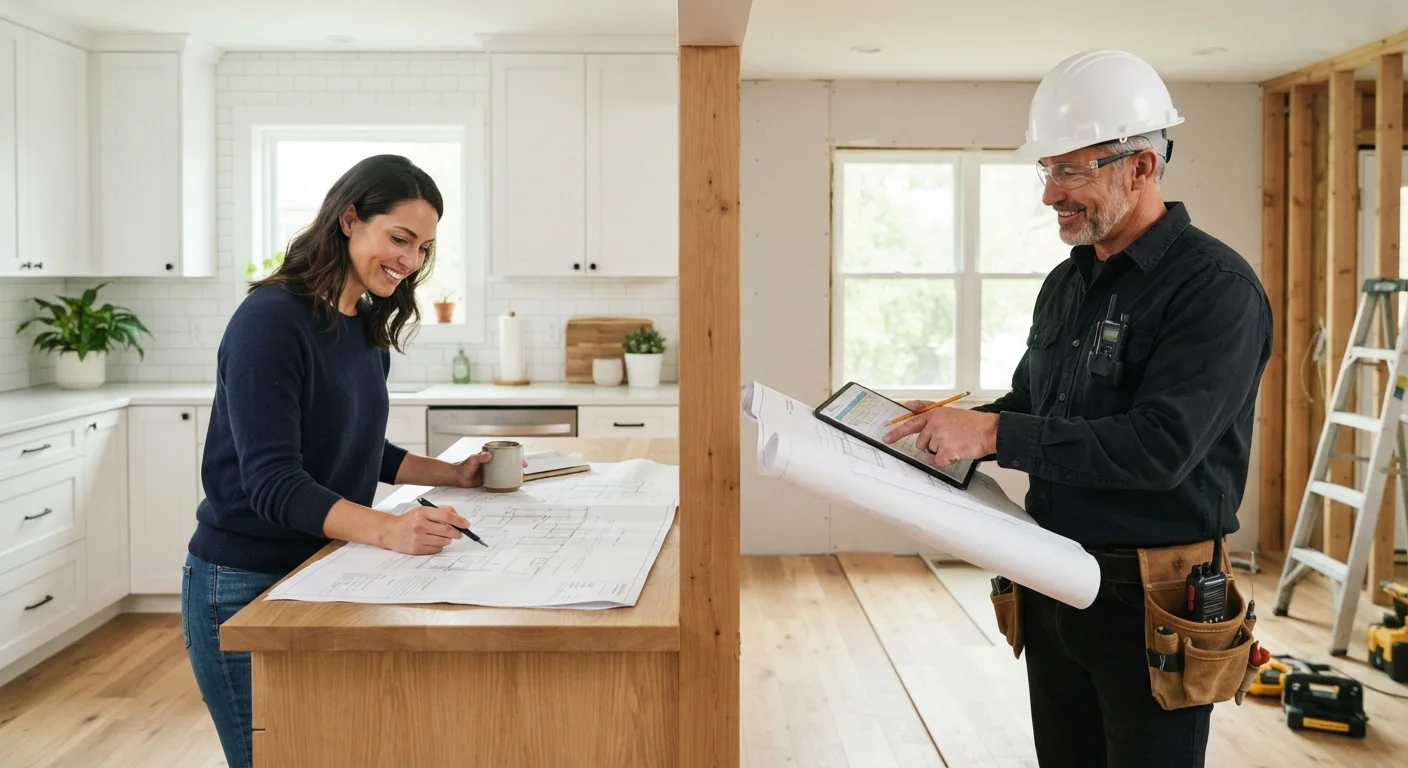
Photo credit: ResultsRover.com | Insights You Can Trust
In this article
Not every project belongs on a DIY list. Understand the key factors—cost, skill, risk, and permits—that should guide your decision.
Key Takeaways
- Skill level, project complexity, and local permit requirements should drive your decision more than cost alone.
- Electrical, gas, structural, and roofing work typically require licensed professionals and permits in most U.S. jurisdictions.
- DIY can save money on labor for cosmetic and low-risk tasks, but errors can cost more to fix than hiring out would have.
- Getting multiple written quotes from contractors helps you evaluate scope and pricing before committing.
- Some projects legally require a licensed contractor - skipping that requirement can affect insurance and resale value.
The Real Cost Comparison: Labor Savings vs. Risk of Mistakes
The most common reason homeowners lean toward DIY is straightforward: skipping contractor labor can cut project costs significantly. Labor often accounts for 40-60% of a typical home improvement budget. For painting a room, installing a backsplash, or refreshing garden beds, keeping that work in-house makes genuine financial sense.
But the savings calculation changes when a project goes wrong. A misaligned tile job, an improperly installed window, or an amateur plumbing fix can require professional remediation that costs more than the original contractor quote would have. Before choosing DIY, honestly assess your skill level for that specific task - not home improvement in general.
A useful starting question: Have you successfully completed a similar project before? First-time attempts on complex tasks carry a higher error rate. If the answer is no and the consequences of failure are costly, a contractor is the lower-risk choice.
| Criterion | Hiring a Contractor | Doing It Yourself (DIY) |
|---|---|---|
| Upfront labor cost | Higher - labor is billed directly | Lower - you supply the labor |
| Risk of costly errors | Lower - pros carry liability insurance | Higher on complex tasks |
| Permit handling | Contractor typically files and manages | Homeowner responsible for all filings |
| Code compliance | Licensed pros work to local code | Requires homeowner to research codes |
| Time to completion | Faster for complex or large projects | Slower; depends on skill and schedule |
| Best project types | Electrical, structural, roofing, gas | Paint, landscaping, flooring, trim |
| Insurance implications | Contractor insurance covers their work | Errors may not be covered by policy |
Permits, Codes, and the Legal Side of Home Projects
One factor many homeowners overlook is the permit requirement. In most U.S. jurisdictions, projects that touch structural elements, electrical systems, plumbing, HVAC, or roofing require a permit - and in many cases, a licensed contractor to pull that permit. Doing regulated work without one isn't just a technicality; it can void your homeowner's insurance, create problems at resale, and require costly demolition if inspectors flag the work.
See our guide to home improvement permits for a breakdown of which projects typically require permits and what the consequences of skipping them can be.
For a fuller picture of how to structure a project from start to finish - including how to vet and hire contractors - the complete home improvement planning guide walks through the full process.
Check Your Homeowner's Insurance Policy
Some homeowner's insurance policies have exclusions for damage caused by unpermitted or DIY work in regulated categories. Before starting any significant project yourself, review your policy or contact your insurer to understand how coverage applies. This is general information - consult a licensed insurance agent for guidance specific to your policy.
A Practical Framework for Making the Call
Rather than defaulting to DIY or contractor based on habit or budget pressure alone, run through these four questions before committing:
- Is this work regulated? If it involves electrical, gas, structural, or roofing systems, check local permit requirements first. The DIY vs. licensed contractor framework offers additional guidance on where that line typically falls.
- Do I have the skills and tools? YouTube tutorials can inform, but they don't replace hands-on experience. Be honest about your competency level.
- What happens if something goes wrong? Low-stakes errors (a slightly uneven shelf) are recoverable. High-stakes errors (a leaking pipe inside a wall) are expensive. Weight the downside, not just the upside.
- What is my time worth? A weekend project that stretches into two months carries a real opportunity cost. Professionals bring efficiency that shouldn't be dismissed.
The same logic applies in other domains - for instance, knowing when to stop maintaining your own vehicle and see a mechanic is a similar judgment call. Our article on where DIY car maintenance has real limits illustrates how that framework works outside the home.
40-60%
Labor share of typical remodel cost
Industry estimates consistently place contractor labor at roughly half of most home improvement project budgets, making it the largest single cost variable.
~$3,000
Median cost to fix a DIY error
Home improvement survey data suggests that significant DIY mistakes - particularly in plumbing, electrical, or structural work - often require professional remediation costing several thousand dollars.
3 quotes
Recommended contractor bids minimum
Consumer protection agencies and home improvement advisors broadly recommend obtaining at least three written quotes before hiring a contractor, to understand fair market pricing and project scope.

Author
Home & Garden Editorial Team
Home & Garden Editorial Team is the collective byline for our editorial team and contributor network. Articles published under this byline or an editorial pen name are researched, written, and reviewed according to our editorial standards for clarity, consistency, and independence before publication.
View all articles →