
Your Car's Maintenance Schedule, Explained
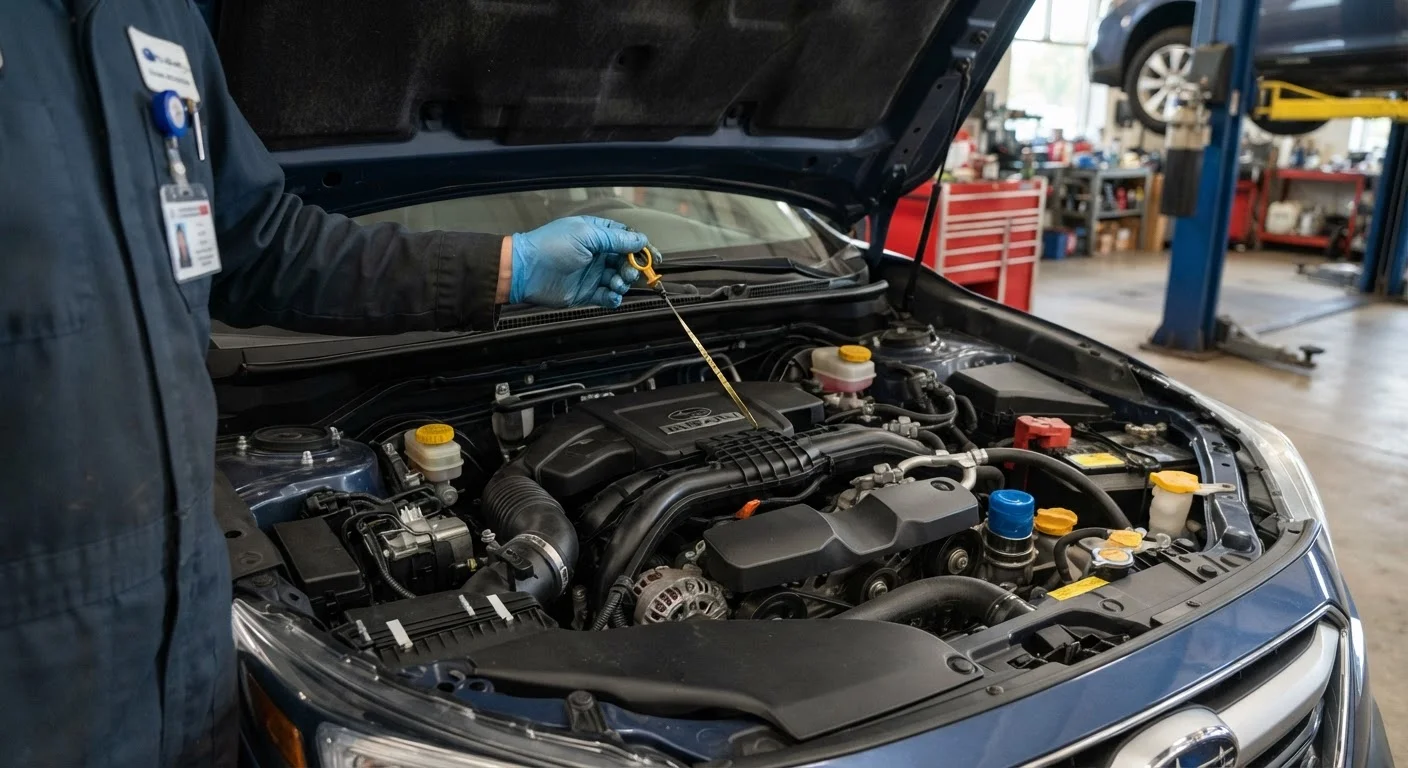
Photo credit: ResultsRover.com | Insights You Can Trust
In this article
Oil changes, tire rotations, fluid checks — learn what your vehicle's maintenance schedule actually means and why each interval matters.
Key Takeaways
- Your owner's manual is the most reliable source for your vehicle's specific maintenance intervals.
- Maintenance schedules are based on mileage, time elapsed, or both - whichever comes first.
- Skipping routine services can trigger a chain of failures that costs significantly more than the original task.
- Modern vehicles with oil-life monitoring systems may stretch oil change intervals well beyond 3,000 miles.
- Driving habits - like frequent short trips or towing - can require more frequent service than the standard schedule.
What a Maintenance Schedule Actually Is
Every vehicle leaves the factory with a maintenance schedule embedded in its owner's manual. It's not a sales tool or a mechanic's guess - it's the manufacturer's engineering blueprint for how often specific systems need attention to function as designed. Tasks are organized by mileage intervals, time intervals, or both, and the rule is always to follow whichever threshold arrives first.
The schedule typically covers three tiers of service. Short-interval tasks - like oil and filter changes - recur frequently because the components wear or degrade quickly. Mid-interval tasks, such as tire rotations and air filter replacements, happen every 15,000 to 30,000 miles. Long-interval tasks - spark plugs, timing belts, coolant flushes - may not come due for 60,000 to 100,000 miles or more. Understanding which tier a task belongs to helps you budget and plan rather than react to surprises.
If you're new to car ownership, maintenance fundamentals for first-timers walks through the habits and tasks that build a reliable routine from day one.
Your Manual, Not the Sticker
Oil change shops often place a windshield sticker recommending a return interval that may not match your manufacturer's guidance. The sticker is a shop reminder, not an engineering specification. When in doubt, the owner's manual is always the authoritative source for your specific vehicle.
The Core Services and Why Each Interval Exists
Oil and filter changes are the most frequent item on any schedule. Engine oil lubricates moving parts, carries away heat, and suspends contaminants. As it ages, it breaks down chemically and becomes less effective. The interval depends on the oil type (conventional vs. synthetic) and engine design - your manual will specify the correct window. Many vehicles with oil-life monitoring systems calculate this dynamically based on actual driving conditions rather than a fixed mileage number.
Tire rotations typically occur every 5,000 to 7,500 miles. Front tires on front-wheel-drive vehicles wear faster because they handle both steering and power delivery. Rotating them extends overall tire life and helps maintain even handling. Understanding how long common wear parts last gives you realistic expectations for tires and other components.
Fluid checks and replacements - including coolant, brake fluid, transmission fluid, and power steering fluid - each have their own degradation timeline. These fluids don't just run low; they chemically break down and lose effectiveness. For a full breakdown of what each reservoir does and what neglecting it costs you, see fluids under the hood and what each one does.
Filters - engine air, cabin air, and fuel - restrict airflow or flow when clogged. A dirty engine air filter can reduce fuel efficiency and strain the engine. These are among the simpler replacements on the schedule, and some are genuinely DIY-friendly. Knowing where the real DIY limits are helps you decide which tasks to handle yourself and which to leave to a professional.
5,000-10,000 mi
Typical synthetic oil change interval
Many vehicle manufacturers now specify this range for full synthetic oil, replacing the older 3,000-mile conventional guideline.
~$0.09/mile
Average vehicle maintenance cost per mile
AAA's annual Your Driving Costs study consistently estimates routine maintenance costs for a typical sedan in this range, underscoring why staying on schedule is cost-effective.
30,000 miles
Common air filter replacement interval
Most manufacturers recommend replacing the engine air filter around this mileage, though dusty driving conditions may shorten the interval.
Normal vs. Severe Driving Conditions
Most maintenance schedules include two tracks: normal and severe (sometimes called "special operating conditions"). Severe duty isn't about driving aggressively - it refers to patterns that stress components more than typical highway commuting does. Common examples include:
- Frequent short trips under five miles
- Stop-and-go city traffic
- Towing or hauling heavy loads regularly
- Driving in extreme heat or cold
- Operating on unpaved or dusty roads
If your driving fits several of those categories, the severe-duty intervals in your manual apply - and they're typically shorter. Cold weather, for instance, places additional stress on batteries, belts, and fluids in ways that accelerate wear. Preparing your vehicle for winter covers the seasonal checks worth adding to your routine.
Set a Mileage-Based Calendar Reminder
Rather than trying to remember service intervals, note your current mileage after each service and set a reminder for 500 miles before the next one is due. This gives you time to schedule an appointment without rushing. Pairing a mileage tracker with your phone calendar takes about two minutes and removes the guesswork entirely.
Keeping Records and Staying on Track
A maintenance log - whether a notes app, a dedicated binder, or a free online tool - does two things: it keeps you on schedule, and it documents your vehicle's history for resale. A well-documented service record is a tangible asset when you sell or trade in, because it signals that the vehicle was cared for consistently.
Track the date, mileage, service performed, and who did it. Keep receipts. If your car has an onboard service reminder, don't dismiss it without noting what triggered it and whether the service was performed.
For vehicles that have passed the 100,000-mile mark, maintenance priorities shift. Seals and gaskets age, certain fluids need more frequent attention, and some manufacturers add additional recommended services at higher mileage thresholds. Keeping a high-mileage vehicle on the road covers what changes - and what stays the same - as a car ages. Staying ahead of the schedule at any mileage is one of the most reliable ways to manage total auto ownership costs over time.
Frequently Asked Questions

Author
Auto Essentials Editorial Team
Auto Essentials Editorial Team is the collective byline for our editorial team and contributor network. Articles published under this byline or an editorial pen name are researched, written, and reviewed according to our editorial standards for clarity, consistency, and independence before publication.
View all articles →