
What an Annual Vehicle Inspection Actually Checks
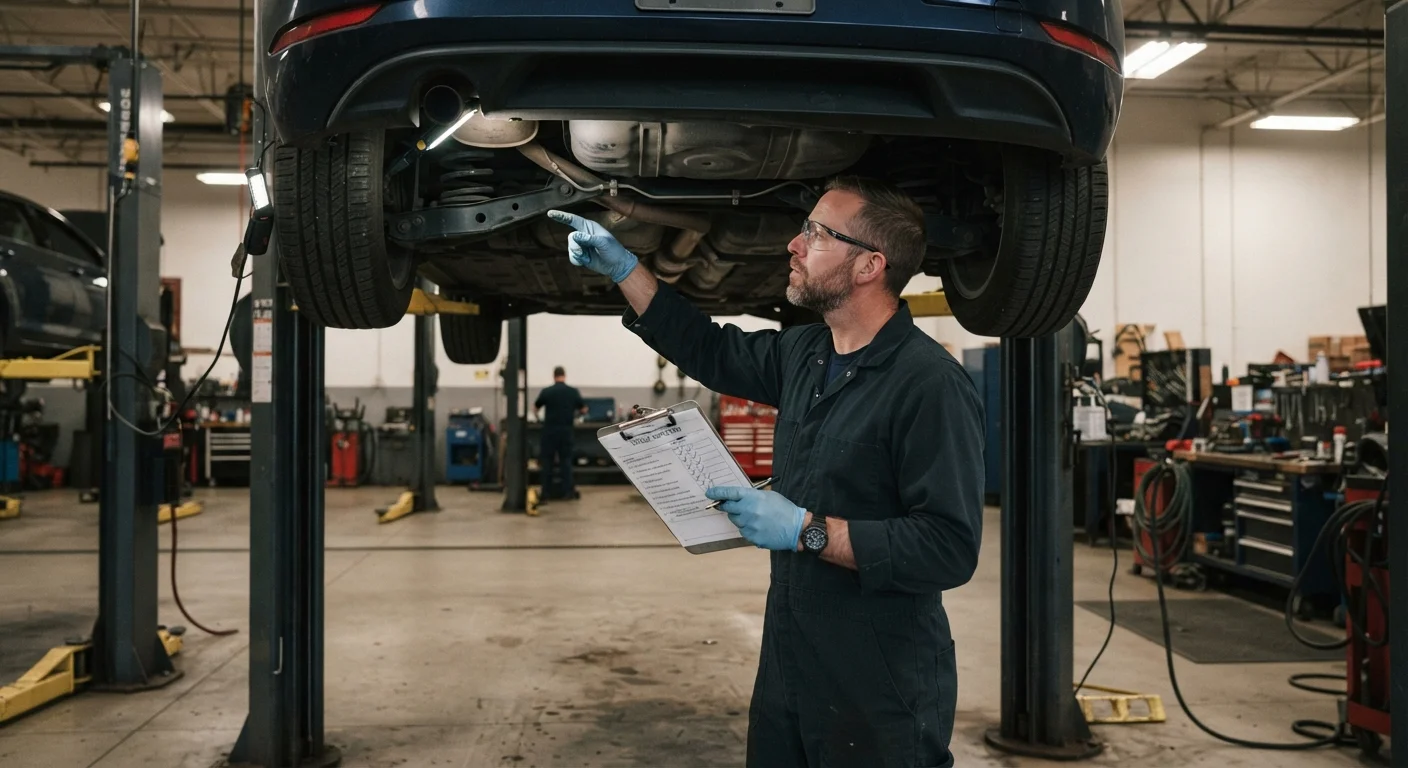
Photo credit: ResultsRover.com | Insights You Can Trust
In this article
State safety inspections vary by region, but most examine overlapping systems. Here's what inspectors look at and how to arrive prepared.
Key Takeaways
- Not every state requires an annual safety inspection - requirements vary widely by jurisdiction.
- Most inspections focus on brakes, lights, tires, steering, and visibility systems.
- Emissions testing is separate from a safety inspection in many states but may be required at the same time.
- Arriving with known issues already repaired saves time and avoids a reinspection fee.
- A state inspection is a minimum-standard check, not a comprehensive mechanical evaluation.
Why the Inspection Exists - and What It Doesn't Cover
State safety inspections exist to keep vehicles with serious safety defects off public roads. They're a floor, not a ceiling. An inspector verifies that your car meets the minimum standards set by state law - nothing more.
That distinction matters. A vehicle can pass a state inspection and still have worn shocks, a noisy wheel bearing, or other issues that don't meet the threshold for a fail. If you want a complete picture of your car's condition, pair your inspection with a visit to a trusted mechanic. For guidance on broader upkeep, see your car's full maintenance schedule.
Inspection Requirements Vary by State
There is no federal mandate for annual vehicle safety inspections. Each state sets its own rules, including which vehicles are covered, inspection intervals, and what constitutes a fail. A handful of states have no mandatory inspection program at all. Before your appointment, confirm exactly what your state requires through your state DMV or equivalent motor vehicle authority.
The Core Systems Inspectors Examine
While checklists differ by state, most safety inspections cover the same core categories:
- Brakes: Inspectors check brake pad and shoe thickness, rotor condition, and brake-line integrity. Some states require a brake performance test.
- Lights and signals: Headlights, taillights, brake lights, turn signals, hazard flashers, and license plate lights are all verified for function and proper aim.
- Tires and wheels: Tread depth (typically a minimum of 2/32 inch), sidewall condition, and proper inflation are checked. Bald or severely cracked tires are an automatic fail in most states.
- Steering and suspension: Inspectors look for excessive play in the steering wheel, worn tie-rod ends, and damaged suspension components.
- Windshield and wipers: Cracks or chips in the driver's line of sight, and wiper blade effectiveness, are commonly evaluated.
- Horn: Must function audibly.
- Mirrors: Required mirrors must be present and unobstructed.
- Seatbelts: Latching function and webbing condition are spot-checked in most states.
~35
U.S. states with some form of vehicle safety inspection
Requirements range from annual statewide mandates to county-level programs, according to the American Association of Motor Vehicle Administrators.
2/32"
Minimum tire tread depth commonly required to pass
This is the legal threshold in most states that require tread inspection; safety experts generally recommend replacing tires at 4/32 inch.
Emissions-testing states add an OBD-II scan or tailpipe measurement to this list. A dashboard check-engine light is often an automatic emissions fail because it signals an unresolved fault code.
How to Arrive Prepared
A little prep work before your inspection appointment can prevent a failed result and a second trip.
Fix the Easy Things Before You Go
Burnt-out bulbs, low washer fluid, and cracked wiper blades are cheap to address and are common fail points. Spending 15 minutes on a pre-inspection walkaround can save the cost of a reinspection fee and an extra trip to the station.
- Check all exterior lights yourself. Walk around the car with a helper and confirm every bulb works. Bulb replacements are inexpensive and easy to fix beforehand.
- Look at your tires. Insert a quarter into the tread groove - if you can see the top of Washington's head, tread is likely below 4/32 inch and may be close to a fail threshold.
- Clear any warning lights. If your check-engine light is on, have the fault codes read first. In emissions states, an active code is a fail regardless of what it indicates.
- Confirm your wipers clear the glass. Streaking or skipping blades are a common, easy-to-fix fail point.
If you're buying a used car and want a deeper evaluation before its next inspection cycle, a pre-purchase inspection by an independent mechanic is worth arranging. See what a pre-purchase inspection involves for a full breakdown.
Inspection vs. Other Vehicle Checks
It helps to understand where a state inspection fits alongside other evaluations your vehicle might undergo.
| Check Type | Purpose | Who Conducts It |
|---|---|---|
| State safety inspection | Verify legal minimum safety standards | Licensed inspection station |
| Emissions test | Verify pollutant output meets state limits | Licensed emissions station or combined station |
| Pre-purchase inspection | Full mechanical evaluation before buying | Independent mechanic |
| Routine maintenance check | Catch wear items before they become failures | Your mechanic or dealership service center |
A vehicle history report can complement these checks by revealing past inspection records, title events, or reported accidents - but it won't replace a hands-on evaluation.
Staying current with seasonal maintenance also reduces inspection surprises. Cold weather is especially hard on batteries and tires - two of the most common inspection concerns. Preparing your car for winter addresses both in detail.
This article provides general information about vehicle inspection practices in the United States. Requirements vary by state and locality. Always verify current rules with your state's motor vehicle authority before your inspection appointment.
Frequently Asked Questions

Author
Auto Essentials Editorial Team
Auto Essentials Editorial Team is the collective byline for our editorial team and contributor network. Articles published under this byline or an editorial pen name are researched, written, and reviewed according to our editorial standards for clarity, consistency, and independence before publication.
View all articles →