
Getting a Pre-Purchase Inspection: What Happens and Why It Matters
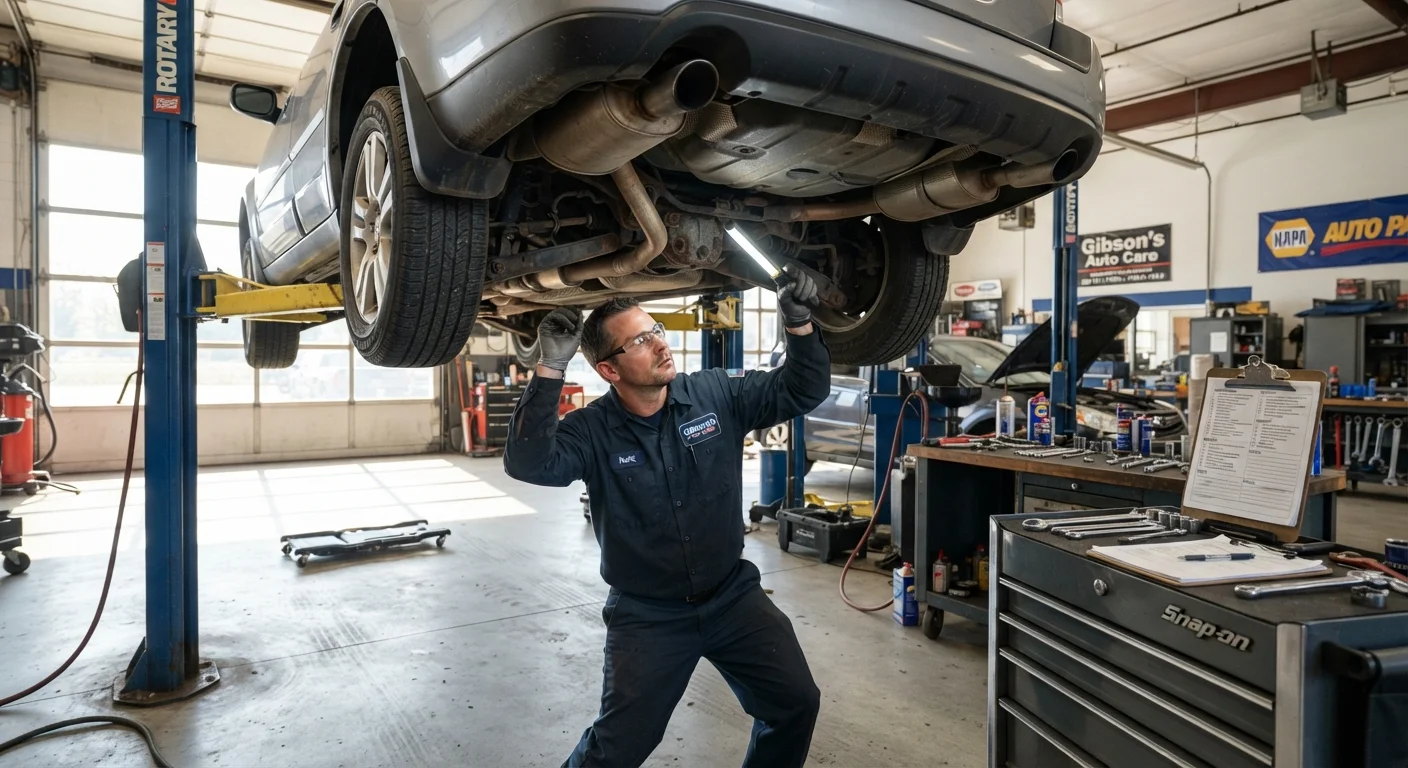
Photo credit: ResultsRover.com | Insights You Can Trust
A pre-purchase inspection by an independent mechanic can reveal problems no listing will mention. Here's what the process involves and what to ask for.
Key Takeaways
- A pre-purchase inspection (PPI) is performed by an independent mechanic before you commit to buying a used vehicle.
- Expect a thorough PPI to cost roughly $100-$200 - a small fraction of what hidden repairs could run.
- The seller's willingness to allow an inspection is itself a useful signal about the car's condition.
- Focus on structural integrity, drivetrain health, and any active or stored fault codes from the OBD scan.
- Use the written report as a negotiating tool, not just a go/no-go decision.
What a Pre-Purchase Inspection Actually Covers
A pre-purchase inspection (PPI) is a paid examination of a used vehicle by an independent mechanic before the buyer commits to a purchase. Unlike a state safety inspection - which checks whether a vehicle meets minimum legal standards (see what an annual vehicle inspection actually checks) - a PPI is conducted specifically to inform a buying decision. The scope is broader and the findings are reported directly to you, not to a government database.
A complete PPI typically examines:
- Body and paint: Signs of repainting, mismatched panels, or bodywork that suggests prior collision repair
- Frame and undercarriage: Rust, welds, or structural repairs the seller may not have disclosed
- Engine and drivetrain: Leaks, belt and hose condition, transmission behavior, and overall engine health
- Brakes and suspension: Pad thickness, rotor condition, shock absorbers, and steering components
- Electronics: OBD-II diagnostic scan for stored fault codes, plus a check of lights, HVAC, and major systems
- Tires: Tread depth, even wear (uneven wear can signal alignment or suspension issues), and age
Before scheduling a PPI, it helps to read the car listing carefully so you can flag anything that seems inconsistent with what you see in person.
Independent mechanic or repair shop
Performs the physical inspection and provides a written report of findings.
Vehicle history report (e.g., from VIN lookup services)
Provides background on title history, reported accidents, and odometer records before the inspection.
OBD-II scanner
Used by the mechanic to read stored and active fault codes from the vehicle's computer.
Lift or inspection pit
Allows the mechanic to examine the undercarriage, frame, and exhaust system fully.
Notepad or inspection checklist
Helps you track questions to ask the mechanic and document verbal findings alongside the written report.
How to Get the Most From the Process
Never Skip the Inspection on a Salvage or Rebuilt Title
Vehicles with salvage or rebuilt titles have previously been declared a total loss by an insurer. A standard PPI may not catch all structural or hidden damage on these vehicles. If you're seriously considering one, ask the mechanic to specifically assess frame integrity and repair quality - and understand that financing and insuring a salvage-title car can be significantly more difficult.
The inspection report is only as useful as the questions you ask around it. When you receive findings, push for specifics: Which items are safety-critical? Which are normal wear for the mileage? What would a shop charge to address each item? With that information, you're in a position to negotiate rather than guess.
If you're also thinking about the other side of a transaction - what sellers typically do to prepare - it's worth understanding what private sellers do before listing a car. Knowing that context can help you interpret a seller's level of preparation and transparency.
Choose a Shop With No Stake in the Sale
Use a mechanic who has no relationship with the seller and no incentive to steer you toward buying or walking away. AAA-approved repair shops and ASE-certified independent shops are common starting points. Avoid using a mechanic recommended by the seller themselves.
Seller Refuses Inspection? Take Note.
A private seller or dealer who declines to allow an independent inspection is a red flag. While it doesn't automatically mean the vehicle has problems, it removes your most reliable way of confirming condition. Proceed only if you're fully prepared to accept the risk - or walk away.
A PPI typically takes one to two hours at the shop. Most buyers find the cost - usually well under $200 - easy to justify against the potential cost of inheriting a vehicle with hidden mechanical problems. For guidance on evaluating any major purchase, the same logic applies: see a pre-purchase checklist for major spending decisions.
Pull the Vehicle History Report First
Before scheduling anything, run the VIN through a reputable vehicle history service. Look for title issues (salvage, rebuilt, lemon law buyback), reported accidents, odometer discrepancies, and the number of previous owners. This step costs far less than an inspection and can eliminate a vehicle before you spend money on a mechanic.
If the report shows undisclosed damage or a title issue the seller didn't mention, you have grounds to walk away immediately - or to ask pointed questions before proceeding.
Find an Independent Mechanic Near the Vehicle
Search for ASE-certified shops within a reasonable distance of where the vehicle is located. The mechanic should have no connection to the seller. Call ahead to confirm they perform pre-purchase inspections, ask what the service covers, and get the fee in writing. Most thorough PPIs run between $100 and $200.
If the car is far away and you can't travel, some services offer mobile inspectors - though a shop with a lift gives a more complete picture of the undercarriage.
Coordinate Logistics With the Seller
Contact the seller to arrange a time and location. The vehicle should go to your chosen mechanic's shop - not the other way around. Confirm the seller understands this and is willing to either drive it there or allow you to transport it. Most honest private sellers cooperate without issue.
If the seller insists on an inspection only at their location or only by their preferred mechanic, that's a meaningful signal worth weighing seriously.
Be Present During the Inspection if Possible
Attend in person if you can. A good mechanic will walk you through findings in real time - pointing to worn components, explaining what they're seeing, and distinguishing between minor wear items and more serious concerns. This is far more useful than reading a report after the fact with no context.
If you can't attend, ask the shop to photograph any problem areas and call you before finishing so you can ask questions.
Review the Written Report and Ask About Priorities
A thorough PPI should produce a written summary covering: body and paint condition, frame and structural integrity, engine and transmission, brakes and suspension, tires and wheels, fluid levels and leaks, electrical systems, and any diagnostic trouble codes from the OBD-II scan.
Ask the mechanic to separate cosmetic findings from mechanical ones, and to estimate repair costs for anything flagged. That cost estimate is what turns the report into a negotiating document.
Use the Findings to Negotiate or Walk Away
If the inspection surfaces legitimate repair needs, you have three reasonable options: ask the seller to reduce the price by the estimated repair cost, ask them to fix the issues before sale, or walk away if the problems are too significant or the seller won't move. A PPI gives you documented leverage - use it.
If the inspection comes back clean, you can proceed with confidence. Either outcome is worth the cost of the report.

Author
Auto Essentials Editorial Team
Auto Essentials Editorial Team is the collective byline for our editorial team and contributor network. Articles published under this byline or an editorial pen name are researched, written, and reviewed according to our editorial standards for clarity, consistency, and independence before publication.
View all articles →