
Auto Insurance for First-Time Car Owners
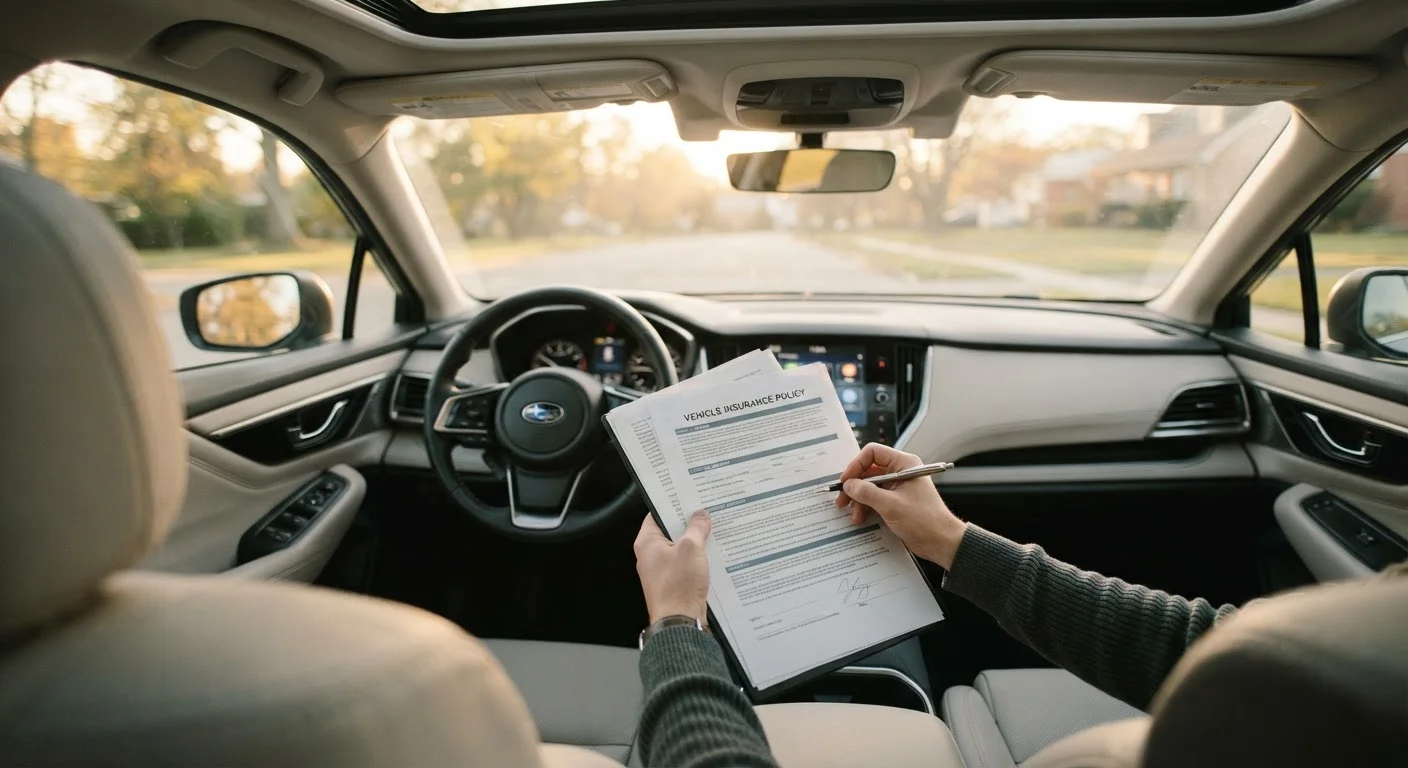
Photo credit: ResultsRover.com | Insights You Can Trust
In this article
New to car insurance? This guide covers the key terms, required minimums, and decisions you'll face when buying your first policy.
Key Takeaways
- Nearly every U.S. state requires drivers to carry minimum liability insurance before operating a vehicle.
- Liability, collision, and comprehensive are the three core coverage types - each protects against different risks.
- Your premium is shaped by your age, driving record, location, vehicle, and the coverage limits you choose.
- First-time owners financing a car are typically required by lenders to carry full coverage.
- Shopping multiple insurers and adjusting deductibles are two of the most effective ways to manage costs.
Why Auto Insurance Is Required
Auto insurance exists primarily to protect other people - not just you. If you cause an accident, liability coverage pays for the other driver's medical bills and vehicle repairs so they aren't left absorbing costs they didn't cause. Because of this, nearly all U.S. states legally require drivers to carry at least liability coverage before they can register a vehicle or drive on public roads.
Driving without it isn't just a fine risk - it's a financial exposure risk. A single at-fault accident involving injuries can generate costs well into six figures. Minimum state requirements set a floor, not a recommendation, and in many states those minimums are relatively low.
Lender Requirements May Exceed State Minimums
If you're financing your vehicle through a lender, expect an additional requirement: most lenders mandate full coverage (liability plus collision and comprehensive) for the life of the loan. This protects their collateral - the car - until you own it outright. Check your loan agreement for the specific requirements before choosing a coverage level.
If you're financing your vehicle through a lender, expect an additional requirement: most lenders mandate full coverage (liability plus collision and comprehensive) for the life of the loan. This protects their collateral - the car - until you own it outright.
Key Coverage Types Explained
Insurance policies bundle several coverage types, and each does a distinct job. Knowing what you're buying prevents you from paying for things you don't need - or skipping protection you actually do.
Premium
The amount you pay - monthly, semi-annually, or annually - to keep your insurance policy active.
Deductible
The out-of-pocket amount you pay before your insurer covers the rest of a covered claim.
Liability coverage
Insurance that pays for injuries or property damage you cause to other people in an accident.
Comprehensive coverage
Coverage for damage to your car from non-collision events, such as theft, fire, hail, or animal strikes.
Collision coverage
Coverage that pays to repair or replace your car after a crash with another vehicle or object, regardless of fault.
Coverage limit
The maximum dollar amount your insurer will pay for a covered claim. Costs beyond the limit are your responsibility.
- Liability: Covers damage and injury you cause to others. Required in almost every state.
- Collision: Pays to repair or replace your car after a crash, regardless of fault.
- Comprehensive: Covers non-collision events - theft, weather damage, falling objects, animal strikes.
- Uninsured/Underinsured Motorist (UM/UIM): Steps in when the at-fault driver has no insurance or not enough.
- Personal Injury Protection (PIP): Pays your medical costs and sometimes lost wages after an accident, required in no-fault states.
For a deeper breakdown of how each type applies in real situations, see Car Insurance Decoded: What Every Coverage Type Actually Does.
What Drives Your Premium
Your premium - the amount you pay monthly or annually - is calculated by weighing multiple risk factors. The main ones:
- Age and driving experience: Younger and newer drivers statistically file more claims. If you're under 25, expect higher rates. See why young drivers pay more for the full picture.
- Driving record: Accidents and traffic violations raise your rate; a clean record lowers it over time.
- Location: Urban areas with high theft rates or accident frequency cost more to insure in than rural areas.
- Vehicle: Repair costs, safety ratings, and theft rates for your specific make and model all factor in.
- Coverage limits and deductibles: Higher limits and lower deductibles mean higher premiums.
- Credit history: In most states, insurers use a credit-based insurance score as a pricing factor.
Ways to Lower Your First Premium
Completing an approved defensive driving course can earn a discount with many insurers. Choosing a higher deductible reduces your monthly payment, though make sure you can actually cover that amount if you file a claim. Staying on a parent's multi-car policy - if you're eligible - is often significantly cheaper than a solo policy for a new driver.
Choosing the Right Coverage Level
The right amount of coverage depends on your financial situation and your vehicle's value. Two broad paths exist:
- Liability-only: Meets legal minimums; appropriate if your car's market value is low and you could absorb repair or replacement costs out of pocket.
- Full coverage: Adds collision and comprehensive; worth it if the car is newer, financed, or would be expensive to replace.
A rough rule of thumb: if your annual collision and comprehensive premium exceeds 10% of your car's actual cash value, the math on those add-ons may not favor you. But this is general guidance - your comfort with financial risk matters too.
Compare these options in detail with our full coverage vs. liability-only breakdown.
This article provides general insurance information for educational purposes only. Coverage needs vary by individual circumstance. Consult a licensed insurance agent to evaluate options appropriate for your situation.
How to Get Quotes and Compare Policies
Rates for identical coverage can vary significantly between insurers, so getting multiple quotes is the single most reliable way to avoid overpaying. When comparing, keep these practices in mind:
- Request identical coverage levels from each insurer so you're comparing like for like.
- Check the declarations page - this one-page summary shows your coverage limits, deductibles, and premium at a glance. Learn to read it with our guide to reading a car insurance policy.
- Ask about discounts you may qualify for: good student discount, defensive driving course completion, low annual mileage, or bundling with renters insurance.
- Review the insurer's claims handling reputation through your state's insurance department complaint data - not just price.
Once you have your first policy, revisit your coverage each renewal period. As your car ages, your financial situation changes, or your driving record improves, the right coverage level and insurer may shift.
Frequently Asked Questions

Author
Auto Essentials Editorial Team
Auto Essentials Editorial Team is the collective byline for our editorial team and contributor network. Articles published under this byline or an editorial pen name are researched, written, and reviewed according to our editorial standards for clarity, consistency, and independence before publication.
View all articles →