
Hidden Car Ownership Costs New Buyers Routinely Underestimate
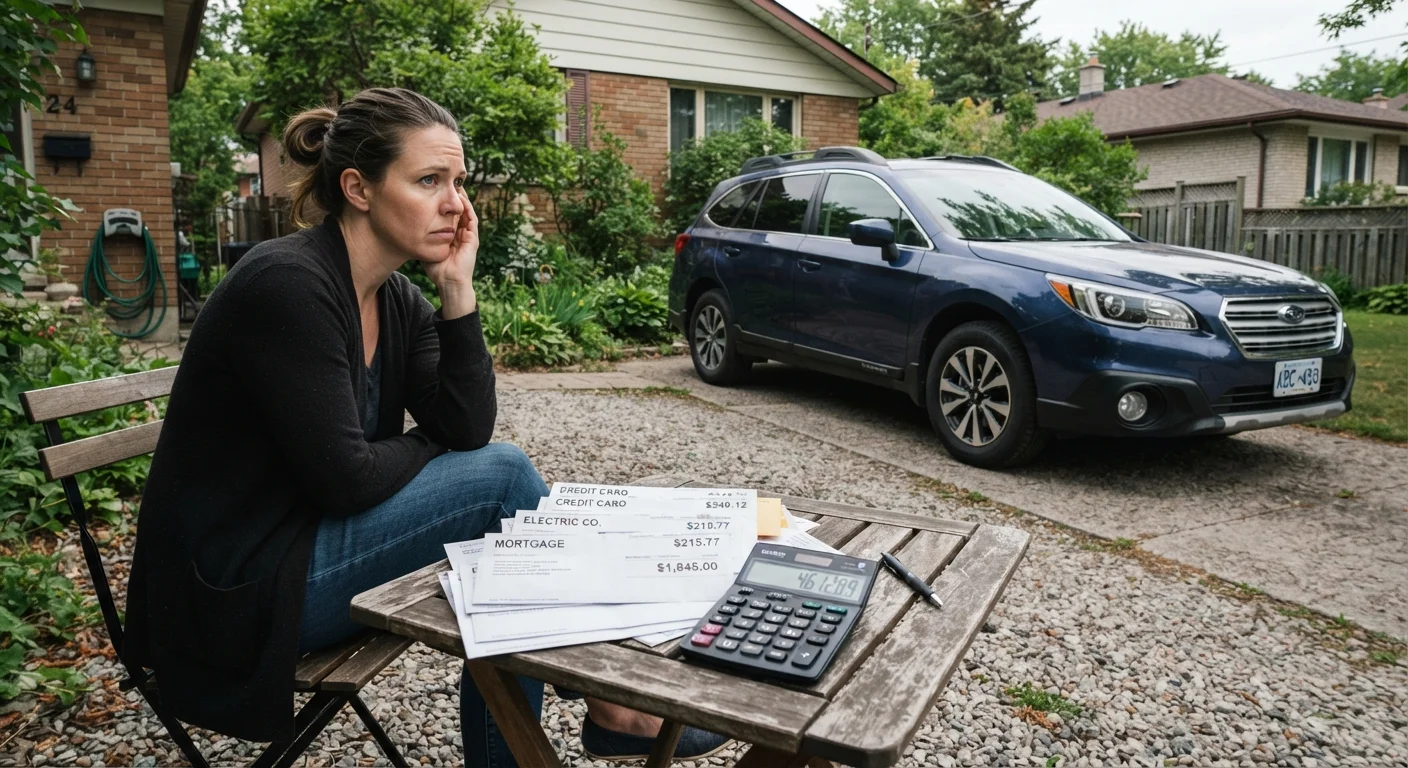
Photo credit: ResultsRover.com | Insights You Can Trust
In this article
Registration fees, maintenance, insurance, and fuel add up fast. See the line items that catch new owners off-guard and how to plan for them.
Key Takeaways
- Insurance, registration, and fuel costs are often underestimated by hundreds of dollars annually.
- Routine maintenance and unplanned repairs represent a significant ongoing ownership expense.
- Depreciation silently erodes vehicle value, affecting trade-in and resale outcomes.
- Budgeting for all cost categories before buying prevents financial strain after the sale.
Why New Buyers Consistently Miss the Full Picture
Most first-time buyers walk into a dealership focused on one number: the monthly payment or sticker price. That narrow focus is understandable, but it leaves out a long list of costs that hit immediately and continue for as long as you own the vehicle. The result is a budget shortfall that feels manageable in month one and genuinely stressful by month six.
For a fuller baseline on what ownership costs look like across a car's entire lifespan, see how expenses shift as a vehicle ages. What follows are the specific mistakes that cause new buyers to underestimate what they'll actually owe.
Focusing only on the monthly loan payment and ignoring total cost of ownership.
Why it happens: Dealers and lenders often frame affordability in terms of monthly payments, which obscures how much you're actually spending across insurance, fuel, and upkeep.
Underestimating insurance premiums for the specific vehicle chosen.
Why it happens: Buyers often estimate insurance based on their current policy without realizing that a newer, more expensive, or higher-performance vehicle can substantially raise premiums.
Treating routine maintenance as optional or deferrable.
Why it happens: New buyers assume a new or newer used vehicle won't need much attention soon, so maintenance costs get dropped from the budget entirely.
Overlooking registration fees, taxes, and title costs at the time of purchase.
Why it happens: These line items appear at closing, not in the advertised price, so buyers are often blindsided. State and local fees vary widely and can add hundreds to thousands of dollars.
Ignoring depreciation as a real cost of ownership.
Why it happens: Because depreciation doesn't produce a bill or a payment, buyers don't feel it until they try to sell or trade in - and discover the vehicle is worth considerably less than expected.
Budgeting for fuel based on the vehicle's best-case MPG rating.
Why it happens: EPA fuel economy estimates are derived from standardized tests that don't reflect real-world driving conditions like city traffic, highway speeds, climate, or cargo load.
The Numbers Behind the Overlooked Expenses
The data on car ownership costs reinforces how common these miscalculations are. According to AAA's annual Your Driving Costs study, the average American driver spends well over $10,000 per year to own and operate a new vehicle when all cost categories are included - a figure that surprises many buyers who budget only for loan payments and gas.
$10,000+
Average annual cost to own and operate a new vehicle
According to AAA's annual Your Driving Costs study, when all expense categories are included, new-vehicle ownership costs exceed $10,000 per year for the average American driver.
~20%
Typical first-year depreciation on a new vehicle
Industry data generally shows new cars can lose roughly 15-20% of their value in the first year, with cumulative losses accelerating through year three.
$1,700+
Average annual auto insurance premium
National average auto insurance costs have risen in recent years; premiums vary significantly based on vehicle type, driver profile, location, and coverage level.
Depreciation alone accounts for a large share of that total. New vehicles can lose a significant portion of their value in the first few years of ownership. Understanding how depreciation works before you buy helps you choose a vehicle that holds value better and limits financial exposure at trade-in time.
If you're still comparing purchase paths, leasing versus buying carries distinct cost structures worth evaluating before committing. And once you've bought, maintenance fundamentals for first-time owners can help you stay ahead of the repair costs that catch many new owners off-guard.
Don't Skip the Pre-Purchase Insurance Quote
Many buyers discover their insurance premium is significantly higher than expected only after the purchase is finalized. At that point, you're locked in. Always obtain a real insurance quote for the specific vehicle, trim level, and your zip code before agreeing to buy. A few minutes of research can save hundreds of dollars per year.
This article provides general financial information for educational purposes. For advice tailored to your situation, consult a qualified financial professional.

Author
Auto Essentials Editorial Team
Auto Essentials Editorial Team is the collective byline for our editorial team and contributor network. Articles published under this byline or an editorial pen name are researched, written, and reviewed according to our editorial standards for clarity, consistency, and independence before publication.
View all articles →