
Transferring a Car Title: What the Paperwork Actually Requires
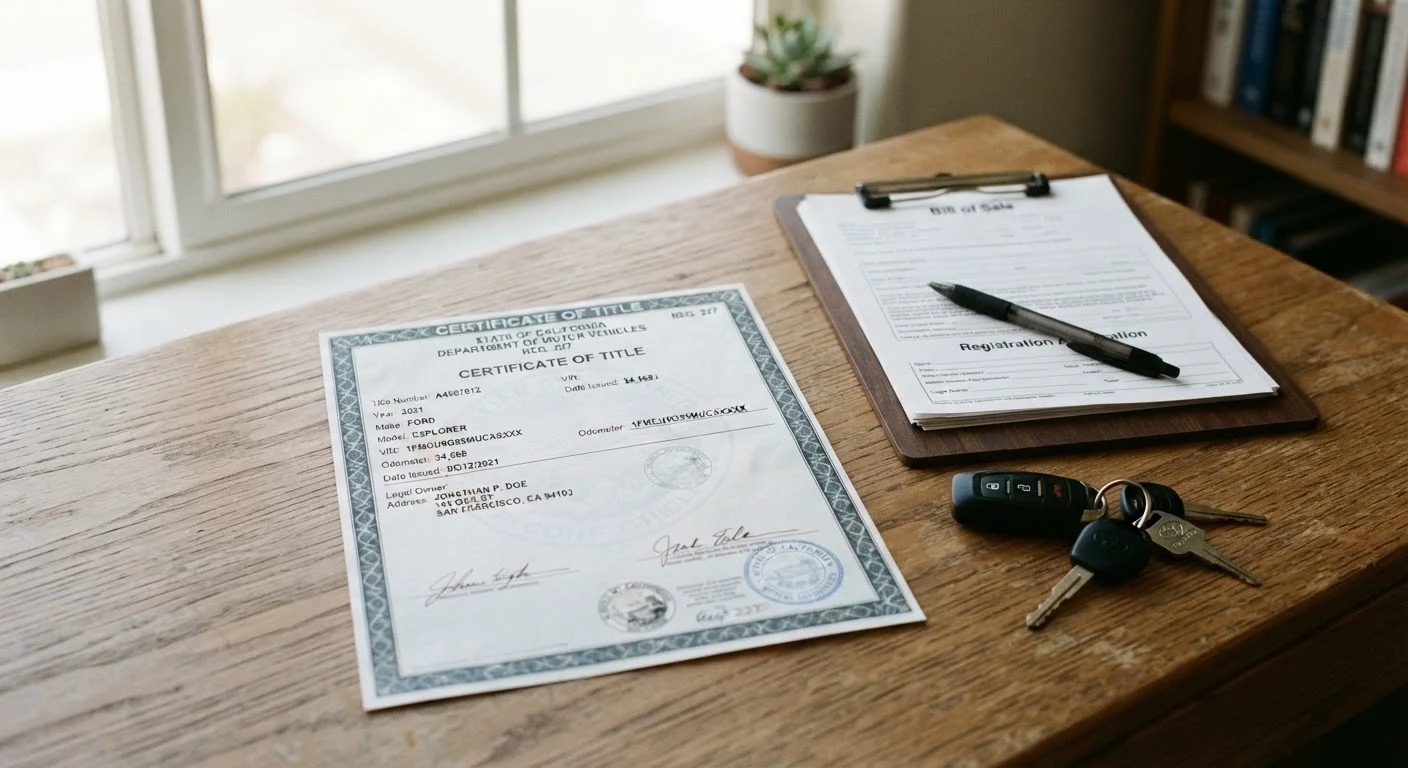
Photo credit: ResultsRover.com | Insights You Can Trust
In this article
Title transfer requirements vary by state, but the core documents and steps follow a recognizable pattern. Here's what both parties typically need to do.
What a Title Transfer Actually Is
A car title is the legal document that establishes ownership of a vehicle. When a car changes hands - through a private sale, a gift, or an inheritance - the title must be transferred to reflect the new owner. Skipping this step doesn't just leave the paperwork in limbo; it can expose both parties to liability and prevent the buyer from registering the vehicle legally.
Title transfers are handled at the state level, which means the exact process varies. That said, the core requirements follow a consistent pattern across most states. Understanding what's typically involved helps both buyers and sellers walk into the transaction prepared.
For a broader look at what owning a vehicle costs beyond the purchase price, see our article on hidden car ownership costs.
Documents Both Parties Typically Need
While requirements differ by state, most title transfers involve the following core documents:
- The signed title: The seller must sign the title over to the buyer. Most states provide dedicated fields on the title for the sale price, odometer reading, buyer's name, and seller's signature. Any mistakes - cross-outs, white-out, stray marks - can render the title invalid in many states. Use a fresh title if the original is damaged or compromised.
- Bill of sale: A written record of the transaction, including the sale price, vehicle identification number (VIN), date, and both parties' names and signatures. Some states require it; others don't. Either way, it protects both parties.
- Odometer disclosure: Federal law requires sellers to disclose the mileage on most vehicles under 10 years old. Many states include this field on the title itself.
- Lien release (if applicable): If the seller had a loan on the vehicle, the lender's lien must be released before the title can transfer. This usually means obtaining a lien release letter or a clear title from the lender.
Certificate of title
The official legal document that identifies who owns a vehicle. It includes the VIN, make, model, year, and owner's name. A clean title means there are no liens or legal claims against the vehicle.
Lien
A lender's legal claim on a vehicle used as collateral for a loan. The lien appears on the title and must be formally released before ownership can transfer to a new buyer.
Bill of sale
A written record of a vehicle transaction documenting the sale price, date, VIN, and both parties' identities. It serves as proof of purchase and helps resolve disputes.
Odometer disclosure
A federally required statement from the seller certifying the vehicle's mileage at the time of sale. This helps protect buyers from odometer fraud.
Branded title
A title that has been marked to reflect a significant event in the vehicle's history - such as a salvage designation after a major accident or a flood designation. Branded titles typically affect resale value and insurability.
If you're completing a private sale, our checklist on preparing to sell a car privately walks through documentation alongside pricing and logistics.
Steps After the Sale: Registering the Title
Once the seller signs the title and both parties complete the bill of sale, the buyer takes over. The general steps are:
- Visit your state's DMV (or equivalent agency): Most states require the buyer to appear in person or submit documents by mail within a set window - often 10 to 30 days - to avoid late fees.
- Pay transfer fees and taxes: Expect a title transfer fee (typically $10-$100 depending on the state) plus applicable sales tax based on the purchase price. Some states base tax on the vehicle's book value if the sale price appears below market.
- Provide proof of insurance: Most states won't register a vehicle without proof of current auto insurance.
- Receive new title and registration: The DMV issues a new title in the buyer's name. Registration and plates may be issued simultaneously or separately.
Out-of-State Purchases Add a Step
If you buy a vehicle registered in another state, you'll need to re-title it in your home state. That typically means a VIN inspection, surrendering the out-of-state title, and paying your state's transfer fees and taxes. Some states also require an emissions or safety inspection before issuing a new registration. Check your state DMV's website for the exact sequence.
For a complete walkthrough of the used-car buying process - from negotiating to signing - see the full arc of buying a used car. If you're selling through a dealer instead, how trade-ins work at dealerships explains how the paperwork side differs.

Author
Auto Essentials Editorial Team
Auto Essentials Editorial Team is the collective byline for our editorial team and contributor network. Articles published under this byline or an editorial pen name are researched, written, and reviewed according to our editorial standards for clarity, consistency, and independence before publication.
View all articles →