
Trading In Your Car at a Dealership: How the Process Really Works
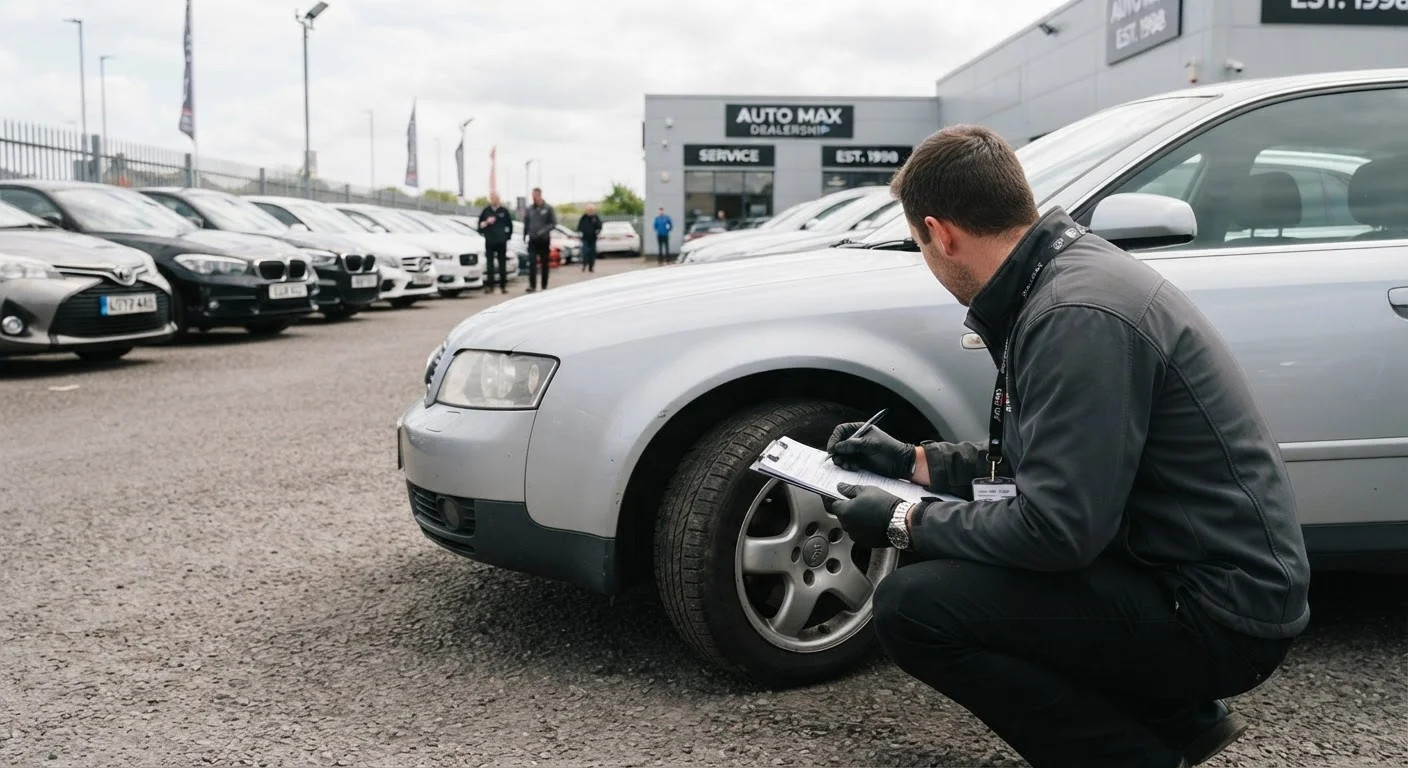
Photo credit: ResultsRover.com | Insights You Can Trust
In this article
Trade-in offers can feel like a black box. Here's a plain-language breakdown of how dealers assess your vehicle and where there's room to negotiate.
Key Takeaways
- Dealers appraise trade-ins based on condition, mileage, market demand, and their current inventory needs.
- Trade-in value and purchase price are two separate negotiations - treat them independently.
- Getting outside offers before visiting a dealer gives you a real baseline to negotiate from.
- A trade-in can reduce the sales tax you pay on the new vehicle in most U.S. states.
- Outstanding loan balances on the trade-in carry over - negative equity doesn't disappear at the dealer.
- Reconditioning costs and local resale demand directly influence what a dealer will offer you.
What Happens When You Drive In
When you bring a vehicle in for a trade-in appraisal, a used-car manager or appraiser inspects it - usually in 10 to 20 minutes. They check the exterior for dents, rust, and paint condition; the interior for wear and odors; under the hood for visible issues; and they run a vehicle history report using your VIN. Some dealers also do a short test drive.
The appraiser then checks wholesale pricing guides and pulls local auction data to see what similar vehicles are actually selling for in your market. Your car's mileage relative to average, the trim level, and which options it has all factor in. Reconditioning costs - what the dealer expects to spend bringing the car up to sellable condition - are subtracted from their starting number before they make you an offer.
The result is a figure that reflects what the dealer believes they can profit on resale, not what your car is worth to a private buyer. That gap is normal and predictable, which is why going in informed matters. See our breakdown of private seller vs. dealership transactions to understand what else changes when you deal with a dealer.
How to Build a Negotiating Baseline
The most reliable leverage you can bring is a competing offer. Before visiting any dealership, get your car appraised elsewhere - online platforms that provide instant offers, competing dealers, or independent used-car buyers. These quotes expire, so time them close to your dealership visit.
~43%
Of new-car buyers trade in a vehicle
Industry tracking data from Cox Automotive consistently shows that roughly four in ten new-vehicle purchases involve a trade-in.
$6,000-$8,000+
Typical retail-to-wholesale spread
Used-vehicle market analyses generally show a gap of several thousand dollars between what dealers pay at wholesale and what they retail vehicles for, covering reconditioning, overhead, and margin.
Once you have outside figures, you know the floor. If a dealer's initial offer comes in lower, you can show the competing number and ask them to match or improve it. Dealers will sometimes do so, especially if your car suits their lot needs at that moment.
Keep the trade-in conversation separate from the new-car price negotiation. A common tactic is to bundle the two together, which makes it harder to evaluate whether you're getting a fair deal on either. Settle on the out-the-door price of the vehicle you're buying first. Then bring in the trade-in discussion. This approach keeps both numbers visible and independent.
The Tax Offset and Negative Equity - Two Things Worth Calculating
In most U.S. states, sales tax on a new vehicle purchase is calculated on the price after your trade-in value is subtracted. If you're trading in a car worth $10,000 and buying one priced at $35,000, you'd typically pay tax on $25,000 rather than $35,000. Depending on your state's tax rate, this can meaningfully close the gap between a trade-in and a private sale. Verify the rule in your specific state before factoring it into your math.
Run the Tax Math Before You Decide
Look up your state's motor vehicle sales tax rate and multiply it by the difference between your trade-in offer and a likely private-sale price. In states with rates of 6-9%, trading in a $12,000 vehicle could offset $720-$1,080 in tax compared to a separate private sale and cash purchase. That narrows the gap considerably.
Negative equity is the other calculation you can't skip. If you owe $14,000 on a loan and the dealer offers $11,000 for your car, you have $3,000 in negative equity. Dealers often roll this balance into the new loan, which inflates your payments and total cost. It's not inherently a bad choice, but you should know the number before you sign anything. For a broader look at how financing structures work, see our comparison of dealer and outside financing.
Making the Final Call
A trade-in makes sense when convenience, speed, and the tax offset outweigh the difference in price. A private sale makes sense when you have time, the car is desirable in your market, and the extra effort is worth it. Neither choice is universally right. Our guide to the full used-car buying process covers where a trade-in fits within the larger transaction.
If you're also weighing whether ownership itself makes sense for your situation, leasing vs. buying lays out the cost structures side by side. Trade-ins apply only to purchases - not lease returns - so that distinction matters before you walk in the door.
Whatever you decide, the core principle is the same: know your numbers before you sit down. Dealers operate on information asymmetry - when you close that gap, the negotiation is more balanced.
Frequently Asked Questions

Author
Auto Essentials Editorial Team
Auto Essentials Editorial Team is the collective byline for our editorial team and contributor network. Articles published under this byline or an editorial pen name are researched, written, and reviewed according to our editorial standards for clarity, consistency, and independence before publication.
View all articles →