
Selling a Car Privately: What to Prepare Before Posting a Listing
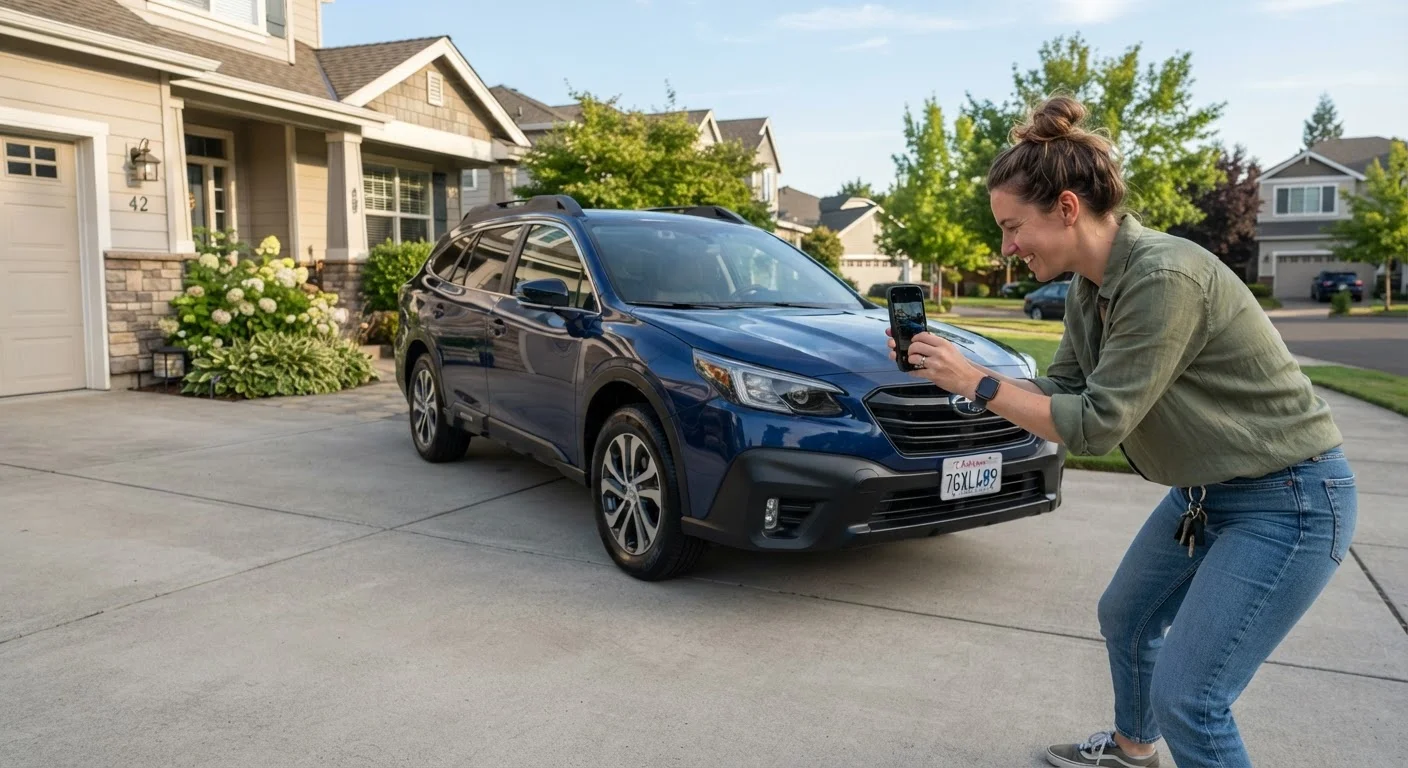
Photo credit: ResultsRover.com | Insights You Can Trust
In this article
A thorough prep checklist for private car sellers — from paperwork and photos to pricing research and safe meeting practices.
Key Takeaways
- Having your title, maintenance records, and a bill of sale template ready before listing prevents delays at closing.
- Accurate pricing research using multiple valuation tools reduces the risk of leaving money on the table or scaring off buyers.
- Clean, well-lit photos taken from consistent angles are one of the highest-impact things you can do before posting.
- Knowing your state's title transfer requirements in advance avoids legal headaches after the sale.
- Setting clear meeting and payment ground rules protects both your safety and your money.
Why Preparation Decides the Outcome
Private-party sales typically net sellers more than dealer trade-ins - but that advantage evaporates quickly when a listing is rushed, priced badly, or missing basic documentation. Buyers who are ready to move fast will pass on a seller who can't locate the title or hasn't thought through how payment works.
This checklist walks through every step to complete before your listing goes live. Work through it once and you'll enter negotiations with confidence rather than scrambling. For context on what buyers are looking for on the other side of this transaction, see our guide on reading a car listing like an informed buyer.
Documentation
Pricing Research
Vehicle Condition
Photography
Safe Transaction Practices
Tools You'll Need
Most of what you need is free or already in your possession. Gather these before you start:
Vehicle Title
The legal document transferring ownership - without it, you cannot complete the sale.
State DMV Website
Verify your state's specific title transfer requirements, odometer forms, and any fees due at sale.
VIN (Vehicle Identification Number)
Required to run a vehicle history report and must appear on the bill of sale.
Smartphone or Digital Camera
Capture high-resolution listing photos in natural light.
Bill of Sale Template
Provides a written record of the transaction for both parties; many state DMV sites offer free templates.
Vehicle History Report Service
Generates a report buyers can review, covering title status, accidents, and odometer readings.
Auto Valuation Tools
Cross-reference at least two sources to set a defensible, market-aligned asking price.
Paperwork, Pricing, and Safety: The Details That Matter
On documentation: Your state DMV determines exactly what's required for a title transfer - requirements vary more than most sellers expect. Some states require a notarized signature; others mandate an odometer disclosure form. Check your state's DMV website before assuming a simple signature will suffice. Our article on transferring a car title covers the core steps most states follow.
Don't Sign the Title Too Early
Some sellers sign the back of the title during a test drive or before payment clears - this creates a signed, transferable title in a stranger's hands before you have funds. Only sign and hand over the title after payment has been fully confirmed. For cashier's checks, that typically means verifying with the issuing bank before releasing the vehicle.
On pricing: Use at least two valuation sources and weight them against actual sold listings in your area - asking prices are not sold prices. Factor in your vehicle's condition honestly; overestimating condition is one of the most common first-time seller errors. The full list of pitfalls is covered in our piece on what trips up first-time car sellers.
On meeting safely: Always meet in a public, well-lit location for initial showings - many police departments now designate safe exchange zones in their parking lots. Bring a friend if possible, and never hand over keys or paperwork until payment has cleared. For a deeper look at protecting yourself throughout the transaction, see protecting yourself during a private-party car transaction.
Remove Your Plates Before the Buyer Drives Away
In most states, license plates belong to the seller, not the vehicle. If a buyer drives off with your plates and is involved in a violation or accident, those events may initially be tied to your registration. Remove plates at the point of transfer and notify your DMV and insurer promptly. Check your specific state's rules, as a small number of states do require plates to stay with the car.

Author
Auto Essentials Editorial Team
Auto Essentials Editorial Team is the collective byline for our editorial team and contributor network. Articles published under this byline or an editorial pen name are researched, written, and reviewed according to our editorial standards for clarity, consistency, and independence before publication.
View all articles →