
The Full Arc of Buying a Used Car: From Search to Signed Title
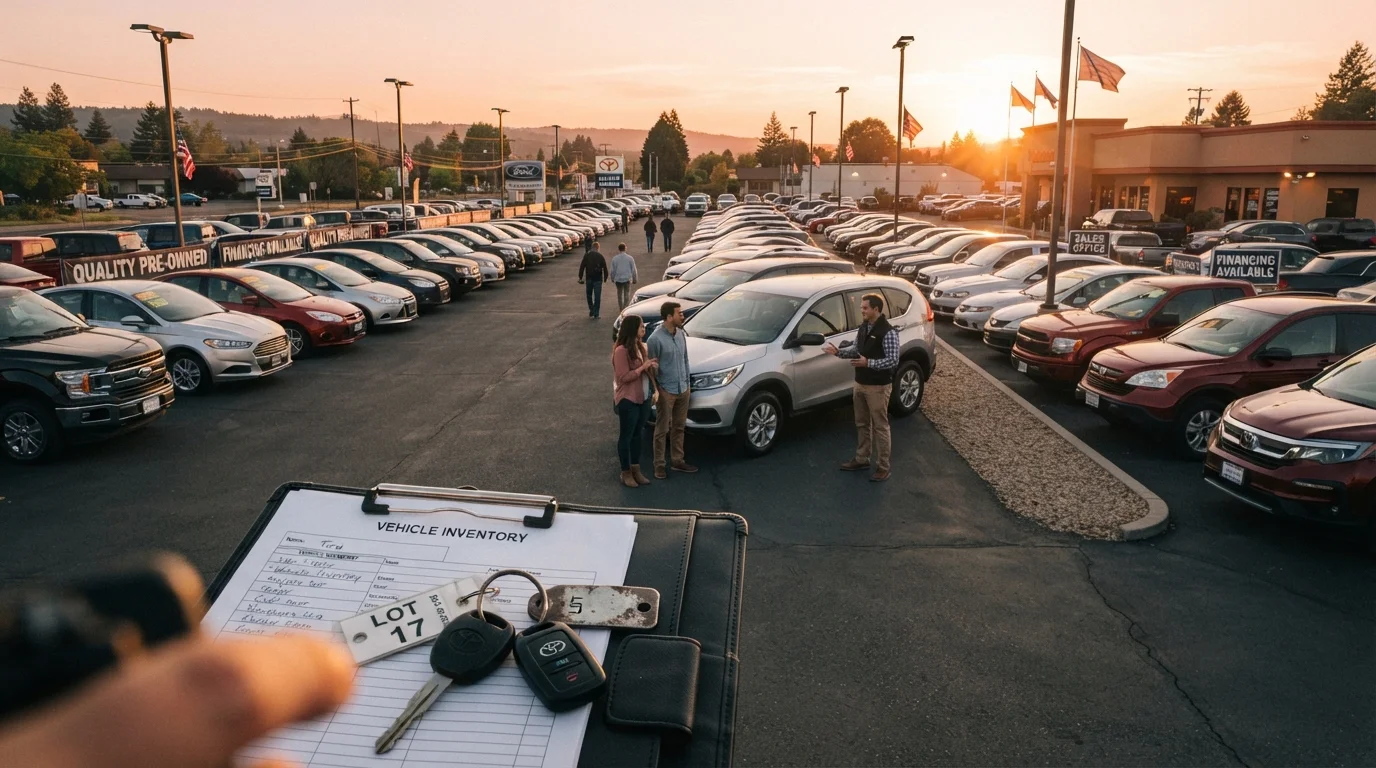
Photo credit: ResultsRover.com | Insights You Can Trust
In this article
From setting a budget to transferring the title, here's everything first-time and repeat used-car buyers need to know before signing anything.
Key Takeaways
- Fix an all-in budget before searching - purchase price is only part of the total cost.
- A vehicle history report and pre-purchase inspection are non-negotiable steps, not optional extras.
- Financing terms deserve as much scrutiny as the sticker price.
- Title transfer requirements vary by state; confirm what your DMV needs before signing.
- Ownership costs - insurance, registration, maintenance - often surprise first-time buyers.
Set Your Budget Before You Browse
The single biggest mistake used-car buyers make is shopping by monthly payment rather than total cost. A low payment stretched over 72 months can cost thousands more in interest than a shorter loan at a slightly higher monthly figure.
Start with a hard ceiling for the purchase price, then layer in the other line items that come due quickly: sales tax (typically 4-10% of the sale price depending on your state), registration and title fees, and the first month of insurance. If you plan to finance, get pre-approved through your bank or credit union before you visit a dealership - knowing your rate gives you a reference point against whatever financing the seller offers.
Get Pre-Approved Before You Shop
Securing financing from your bank or credit union before visiting any seller puts the rate conversation on your terms. Pre-approval typically takes one business day and involves only a soft credit inquiry at most lenders during the rate-shopping window.
For a realistic picture of what first-time buyers routinely miss, see our guide on hidden car ownership costs - registration, fuel, and maintenance add up faster than most people expect.
Research Models and Pull Vehicle History
Once you know what you can spend, narrow to two or three model candidates with strong reliability track records. Owner forums, long-term reliability surveys, and repair-frequency data published by consumer research organizations are good starting points. Focus on total cost of ownership, not just purchase price - some models are inexpensive to buy and expensive to fix.
When you find a listing that looks promising, pull a vehicle history report using the 17-character VIN before scheduling a visit. These reports typically flag title problems (salvage, flood, lemon-law buyback), odometer discrepancies, and the number of prior owners. A clean report doesn't guarantee a clean car, but a problematic one is reason to walk away immediately.
Learning to read listing language critically also saves wasted trips. Our article on reading a car listing like an informed buyer breaks down trim-level shorthand, mileage disclaimers, and seller signals worth knowing before you make contact.
~40%
Used cars sold privately vs. dealer
Industry estimates suggest a significant share of used-vehicle transactions occur through private-party sales, where buyers have fewer consumer protections.
$100-$200
Typical pre-purchase inspection cost
Independent mechanics generally charge between $100 and $200 for a PPI, a fraction of what undisclosed repairs can cost after purchase.
Inspect and Test-Drive with Purpose
A test drive should cover stop-and-go city driving, highway speeds, and at least one hard stop - not just a gentle loop around the block. Listen for brake noise, transmission hesitation, and suspension clunks. Check that all electronics (HVAC, windows, lights, infotainment) function before you get excited about the price.
Schedule your test drive during daylight and request the car cold - meaning not already warmed up. A cold start reveals oil leaks, rough idle, and smoke that a warmed engine can temporarily mask.
Sellers sometimes run the engine before a buyer arrives, which smooths out symptoms that appear during a cold start and can hide warning signs of engine wear.
Bring a simple OBD-II scanner (available at most auto parts retailers for under $30) to check for any stored diagnostic trouble codes the seller hasn't mentioned.
Stored fault codes can indicate problems the seller is aware of but hasn't disclosed. A clean scan doesn't guarantee a problem-free car, but active codes are an immediate conversation starter.
Beyond your own walk-around, budget $100-$200 for a pre-purchase inspection (PPI) by an independent mechanic - not the dealer's shop. A PPI can surface deferred maintenance, hidden rust, frame damage, or worn components that the seller may not disclose. If a private seller refuses to allow a PPI, treat that as a serious red flag.
“The pre-purchase inspection is the cheapest insurance a buyer can buy. A mechanic who finds $1,500 in deferred maintenance before you sign saves you far more than their fee.”
— Auto Essentials Editorial Team, Automotive consumer guidance editors
Negotiate the Price and Financing
Used-car prices are rarely fixed. Market pricing tools - published by automotive data providers - give you a defensible anchor for negotiation. Come prepared with the vehicle history report, any issues the PPI flagged, and comparable listings at lower prices. Each documented problem is a legitimate reason to adjust your offer downward.
If the seller is a dealer offering financing, compare their APR directly against your pre-approval. Dealers sometimes mark up the interest rate above what the lender actually requires, keeping the spread as profit. You are not obligated to use dealer financing - your pre-approval is a genuine alternative, not just a negotiating chip.
Read Every Finance Document Before Signing
Dealer finance agreements can include add-on products - extended warranties, GAP insurance, paint protection - rolled into the loan without clear disclosure. Review the itemized purchase agreement line by line and decline any product you did not request. These additions increase the loan amount and the total interest you pay over time.
Handle the Paperwork and Title Transfer
Once price and terms are agreed, the paperwork phase begins. For a private sale, you'll typically need: a signed title (with odometer disclosure where required by state law), a bill of sale documenting the price and date, and a release of liability form filed with your state DMV. Some states require a notarized title; others don't. Confirm your state's specific requirements before the handshake becomes a handoff.
The seller should sign the title over to you at the time of sale - never accept a car without the title in hand, and never pay in full before verifying the title is clear of liens. Our detailed walkthrough of transferring a car title covers what both buyer and seller need to complete, state-by-state variations, and common snags to avoid.
After the sale, you typically have a limited window (often 10-30 days, depending on your state) to register the vehicle and obtain plates. Missing that window can result in late fees or operating an unregistered vehicle.
Plan for Costs After You Drive Away
The purchase price closes one chapter and opens another. Insurance premiums, fuel, scheduled maintenance, and unexpected repairs are now your responsibility. If you haven't already, get insurance quotes before finalizing the purchase - coverage on an older vehicle with a lien is different from coverage on one you own outright, and premiums vary significantly by model, your location, and your driving history.
New owners benefit from establishing a maintenance baseline quickly: an oil change, a tire pressure check, and a brake inspection within the first few weeks tell you a lot about the car's actual condition versus its represented condition. Our car maintenance fundamentals primer is a practical starting point for understanding what to do and when.
State DMV Locator
Use your state's official DMV website to confirm title transfer requirements, registration deadlines, and fee schedules before you finalize a purchase.
VIN History Report Services
Several established services aggregate title records, odometer filings, and accident data by VIN. Run a report on any vehicle before scheduling an in-person visit.
Auto Loan Comparison Calculator
Compare total interest paid across different loan terms and APRs to understand the true cost of financing before accepting any offer.
Hidden Car Ownership Costs Guide
Our full breakdown of registration, insurance, fuel, and maintenance costs helps you stress-test your budget before committing to a purchase.
This article provides general educational information about used-car purchasing and is not legal, financial, or professional advice. Requirements for financing, title transfer, and registration vary by state and individual circumstance. Consult a licensed professional for guidance specific to your situation.

Author
Auto Essentials Editorial Team
Auto Essentials Editorial Team is the collective byline for our editorial team and contributor network. Articles published under this byline or an editorial pen name are researched, written, and reviewed according to our editorial standards for clarity, consistency, and independence before publication.
View all articles →