
Where Printable Coupons Still Work — and Where They've Disappeared
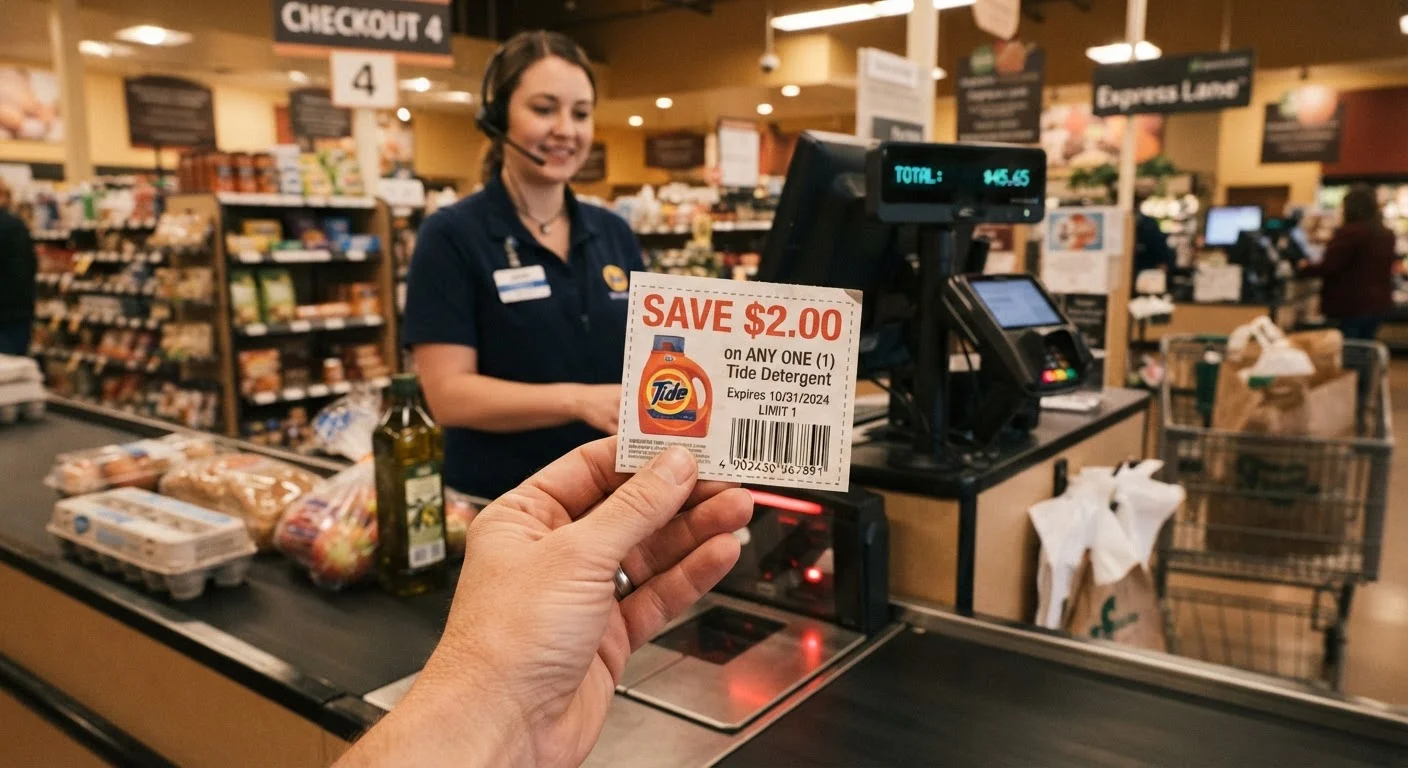
Photo credit: ResultsRover.com | Insights You Can Trust
In this article
Printable coupons haven't vanished entirely. Discover which retailers and categories still accept them and how to find legitimate sources.
The State of Printable Coupons Today
Printable coupons — manufacturer or retailer discounts you download and print at home — were once a cornerstone of household savings. Their footprint has shrunk considerably as retailers shifted toward app-based loyalty programs and digital clipping. But they haven't disappeared. Understanding where they still hold value saves you time chasing dead ends.
The short version: printable coupons remain most viable at grocery chains, drugstores, and select big-box retailers that maintain dedicated coupon policies. They've largely vanished from specialty apparel, electronics, and online-only retailers, which now rely almost exclusively on promo codes or loyalty-point systems.
If you want a broader picture of how printable coupons fit alongside other savings tools, see how coupons, promo codes, and cash back each work.
| Primary acceptance locations | Grocery stores, drugstores, some home improvement retailers |
| Typical print limit per coupon | 1–2 prints per device |
| Common expiration window | 2–4 weeks from print date |
| Key rejection reason | Unreadable or altered barcode |
| Safest coupon sources | Manufacturer and retailer websites; verified aggregator platforms |
| Segments where printables have largely ended | Online-only retail, specialty apparel, electronics |
Where Printable Coupons Are Still Accepted
The following retail categories generally still honor printable coupons, though individual store policies vary and change. Always verify with the specific retailer before printing.
Grocery Stores
Most major supermarket chains continue to accept manufacturer printable coupons at the register. Acceptance typically requires a legible barcode, a clear expiration date, and a recognizable format — fuzzy or digitally altered prints are routinely declined. Some stores also accept retailer-specific printables from their own websites.
Drugstores
National pharmacy chains have traditionally maintained robust coupon policies and frequently publish their own printable offers alongside accepting manufacturer coupons. This category still offers meaningful stacking opportunities, though their digital clip systems have reduced the emphasis on physical printouts.
Home Improvement and Hardware Retailers
Several large home improvement retailers accept printable coupons for specific product categories, particularly for seasonal items or branded goods. Policies here are inconsistent across locations, so checking the store's website coupon policy page is essential before heading to checkout.
Wholesale Clubs and Warehouse Stores
Some warehouse retailers distribute printable coupon books through their websites or mailed booklets. These are proprietary — they only work at the issuing retailer and generally cannot be combined with manufacturer coupons.
Printable coupon
A discount offer downloaded from a website and printed on paper for use at a physical store register. It typically carries a scannable barcode tied to a specific product and expiration date.
Manufacturer coupon
A coupon issued by a product's manufacturer rather than a retailer. It can generally be used at any store that carries the product and accepts manufacturer coupons.
Free-standing insert (FSI)
Printed coupon booklets distributed inside Sunday newspapers. FSIs are issued by manufacturers and contain physical coupons accepted at most grocery and drugstore chains.
Coupon stacking
Using more than one coupon on a single item or transaction — for example, combining a manufacturer coupon with a store coupon. Policies on stacking vary widely by retailer.
Digital coupon
A discount offer clipped to a store loyalty account or redeemed via an app or promo code, requiring no physical paper. Digital coupons are increasingly the primary format at major retailers.
Where Printable Coupons Have Essentially Disappeared
Several retail segments have moved almost entirely away from printable coupons:
- Online-only retailers: Without a physical register, there is nowhere to present a printed coupon. These merchants rely on promo codes entered at digital checkout instead.
- Specialty apparel and footwear chains: Most now use app-exclusive offers, email codes, or loyalty tiers rather than printable discounts.
- Electronics and appliance retailers: Manufacturer coupon programs rarely extend to electronics; these stores lean on rebate programs and credit card offers instead.
- Restaurants and fast food: Though some chains historically issued printable coupons, the shift is firmly toward app-based deals and QR codes.
For a direct comparison of what separates the digital and print formats in terms of rules and acceptance, see how digital and paper coupons differ beyond format.
Legitimate Sources for Printable Coupons
The source of a printable coupon matters. Coupons from unofficial sites — particularly those that allow editing or lack proper barcodes — are frequently rejected and can be flagged as fraudulent. Stick to these reliable origins:
- Manufacturer websites: Brand websites often host printable coupons directly for their product lines.
- Retailer websites: The store's own coupon or savings page is the safest source for retailer-specific printables.
- Established coupon aggregator sites: A small number of well-known platforms have publisher agreements with brands and print through verified systems. These sites generate a print-limited barcode for each coupon to prevent duplication.
- Sunday newspaper inserts (FSIs): Free-standing inserts still carry printable-equivalent physical coupons and remain a legitimate source, especially for grocery and household products.
Watch for Fraudulent Coupon Sites
Coupons sourced from unofficial forums, social media posts, or unverified third-party sites carry real risks — they may be altered, expired, or outright counterfeit. Retailers and manufacturers actively monitor for fraudulent barcodes, and cashiers are trained to flag suspicious prints. Using a fraudulent coupon, even unknowingly, can result in it being voided at the register. Always source printables from brand or retailer websites, or from established platforms with documented publisher relationships.
If you're newer to navigating the coupon landscape overall, this introduction to coupons and deals lays out the fundamentals without assumptions.
Practical Tips Before You Print
A few checks before printing save wasted paper and checkout frustration:
- Read the store's coupon policy online. Most major retailers post their current coupon acceptance rules; look for language about printable or internet coupons specifically.
- Check the print limit. Many printable coupons are coded to allow only one or two prints per computer. Attempting to circumvent this is against most coupon terms and can result in the coupon being voided at the register.
- Print in black and white when allowed. Many retailers accept black-and-white prints as long as the barcode scans correctly — this saves ink without reducing acceptance rates.
- Verify expiration before every trip. Printable coupon expiration dates are often short — two to four weeks is common.
Also worth knowing: many common assumptions about couponing are simply wrong, including beliefs about how much effort is actually required to save meaningfully.
If printable coupons feel like too much friction, browser extensions that apply coupon codes automatically are one alternative worth understanding.

Author
Smart Shopping Editorial Team
Smart Shopping Editorial Team is the collective byline for our editorial team and contributor network. Articles published under this byline or an editorial pen name are researched, written, and reviewed according to our editorial standards for clarity, consistency, and independence before publication.
View all articles →