
Common Myths About Couponing That Keep People From Saving
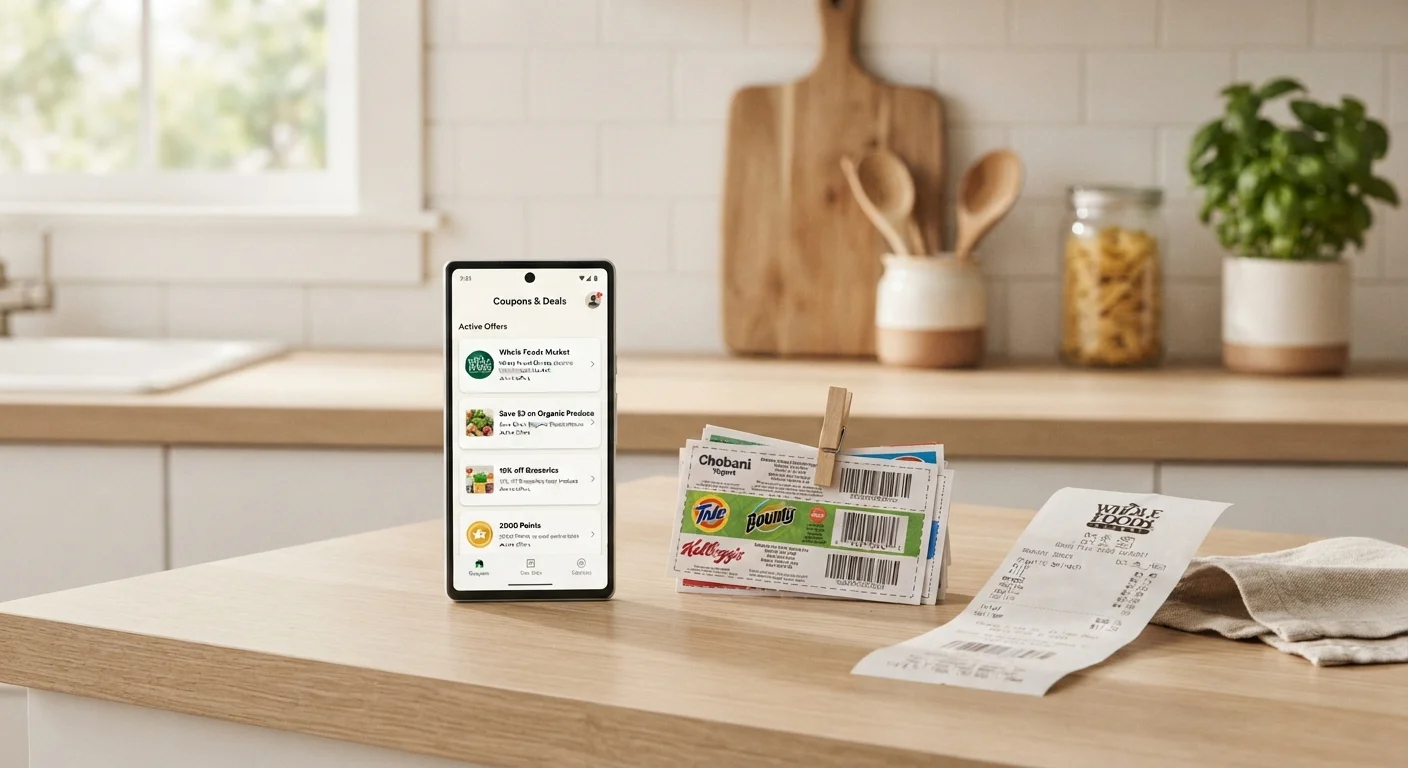
Photo credit: ResultsRover.com | Insights You Can Trust
In this article
Many people skip coupons because of outdated assumptions. Here's what the evidence actually shows about who saves, how much, and how easily.
Key Takeaways
- Couponing doesn't require hours of weekly effort — most effective strategies take under 15 minutes.
- Digital coupons have made saving accessible to anyone with a smartphone or store loyalty account.
- Coupons don't force you to buy things you don't need — disciplined use requires sticking to your list.
- Savings from consistent coupon use can add up to hundreds of dollars annually on everyday purchases.
- Many coupons apply to name brands and generics alike, not just high-priced items.
Why Coupon Myths Persist — and Why They Cost You Money
Couponing has a reputation problem. Many consumers picture extreme stockpilers with binders full of paper inserts, spending entire weekends gaming grocery store systems. That image — mostly shaped by reality TV — has little to do with how most people actually save with coupons today.
The result is that a significant share of shoppers leave real money on the table every week, not because coupons don't work for them, but because they've accepted assumptions that aren't accurate. If any of those assumptions sound familiar, it's worth examining them against what the evidence actually shows. If you're also holding onto broader misconceptions about spending, the smart spending myths article covers related ground.
Myth
Couponing takes hours every week and is only worth it for people with a lot of free time.
Fact
Most effective coupon strategies take 10–15 minutes per shopping trip, especially when using digital tools.
The time-intensive image comes largely from extreme couponing coverage, which showcases edge cases rather than typical use. Loading digital coupons through a store app or loyalty account, checking a single aggregator site, or using auto-applied promo codes at checkout requires very little time. Shoppers who focus on categories they already buy — rather than chasing every available deal — tend to spend the least time and still capture meaningful savings.
Myth
Coupons only exist for junk food, processed items, or products I'd never buy anyway.
Fact
Coupons are widely available for produce, household staples, personal care, pet supplies, and many non-food categories.
While packaged goods have historically dominated coupon circulars, the landscape has shifted. Many grocery chains now offer digital discounts on fresh produce, meat, and dairy through their loyalty programs. Retailers across home goods, pet care, and pharmacy categories also distribute coupons regularly. The idea that coupons are limited to a narrow product set reflects how they were distributed a decade or more ago, not how they work today.
Myth
Coupons always push you toward buying more than you need.
Fact
Coupons only affect spending behavior if you let them — disciplined shoppers apply them to planned purchases.
This myth conflates the tool with a behavior pattern. A coupon applied to something already on your grocery list produces straightforward savings. The problem isn't coupons themselves — it's shopping without a list or buying in bulk beyond actual need. Maintaining a consistent shopping list before browsing offers is the most reliable way to keep coupons working for your budget rather than against it. That said, the risk of overspending is real and worth staying aware of.
Myth
You need to buy name brands to use coupons, so you never actually save compared to buying generic.
Fact
Many store-brand and private-label products carry their own promotions, and name-brand coupons often close the price gap with generics.
Store loyalty programs frequently include discounts on their own private-label lines — sometimes at lower final prices than name-brand items even without a coupon. When a manufacturer coupon does apply to a name-brand product, the math sometimes favors the discounted brand over the base generic price. Comparing the final per-unit price — after any coupon — is the relevant calculation, not the starting shelf price alone.
Myth
Coupons are disappearing and aren't worth building a habit around.
Fact
Coupon distribution has shifted formats — from print to digital — but overall availability remains substantial.
Print coupon redemption has declined steadily, but digital coupon use has grown to offset much of that drop. Major grocery chains, drug store chains, and mass retailers have invested heavily in app-based and loyalty-linked offer systems precisely because digital redemption is trackable and effective at driving repeat visits. Printable coupons have narrowed in availability at some retailers, but where printable coupons still work identifies where they remain a viable option.
What Practical Couponing Actually Looks Like
For most households, effective couponing isn't a hobby — it's a quick habit layered onto shopping they already do. The modern version often involves loading digital offers directly to a store loyalty account before checkout, entering a promo code when buying online, or scanning an app while walking through a store. None of those steps require a printer, scissors, or a dedicated storage system.
$1,500+
Estimated annual household savings from consistent coupon use
Industry estimates from coupon redemption research suggest consistent users can reduce grocery and household spending meaningfully, though individual results vary by shopping habits and category focus.
60%+
Share of U.S. adults who have used a digital coupon or promo code
Consumer survey data from multiple years indicates digital coupon adoption has become mainstream, with smartphone-based offers driving the largest share of recent growth.
The format you use matters more than most people realize. Digital and paper coupons differ in where they're accepted, how they can be combined, and how they expire — details worth understanding before you build a routine. See how digital and paper coupons actually differ for a practical breakdown.
If you're just getting started, the fastest path is to pick one store you shop regularly, sign up for its loyalty program, and browse whatever digital offers load automatically before your next trip. That single step costs nothing and typically surfaces savings without any additional effort. For a fuller introduction, getting started with coupons and deals walks through the fundamentals in plain terms.
Don't Let Offers Rewrite Your Shopping List
Browsing coupon apps before you've made a list is a reliable way to add unplanned items to your cart. Build your list based on actual needs first, then check for applicable offers. This order of operations is the single most effective guard against spending more in pursuit of saving.
One genuine risk is letting coupons drive purchases rather than inform them. A discount on something you wouldn't otherwise buy isn't savings — it's spending. That distinction is easy to lose track of when offers feel urgent or abundant. The common ways coupon habits can backfire is worth reading alongside this one to keep the full picture in view.

Author
Smart Shopping Editorial Team
Smart Shopping Editorial Team is the collective byline for our editorial team and contributor network. Articles published under this byline or an editorial pen name are researched, written, and reviewed according to our editorial standards for clarity, consistency, and independence before publication.
View all articles →