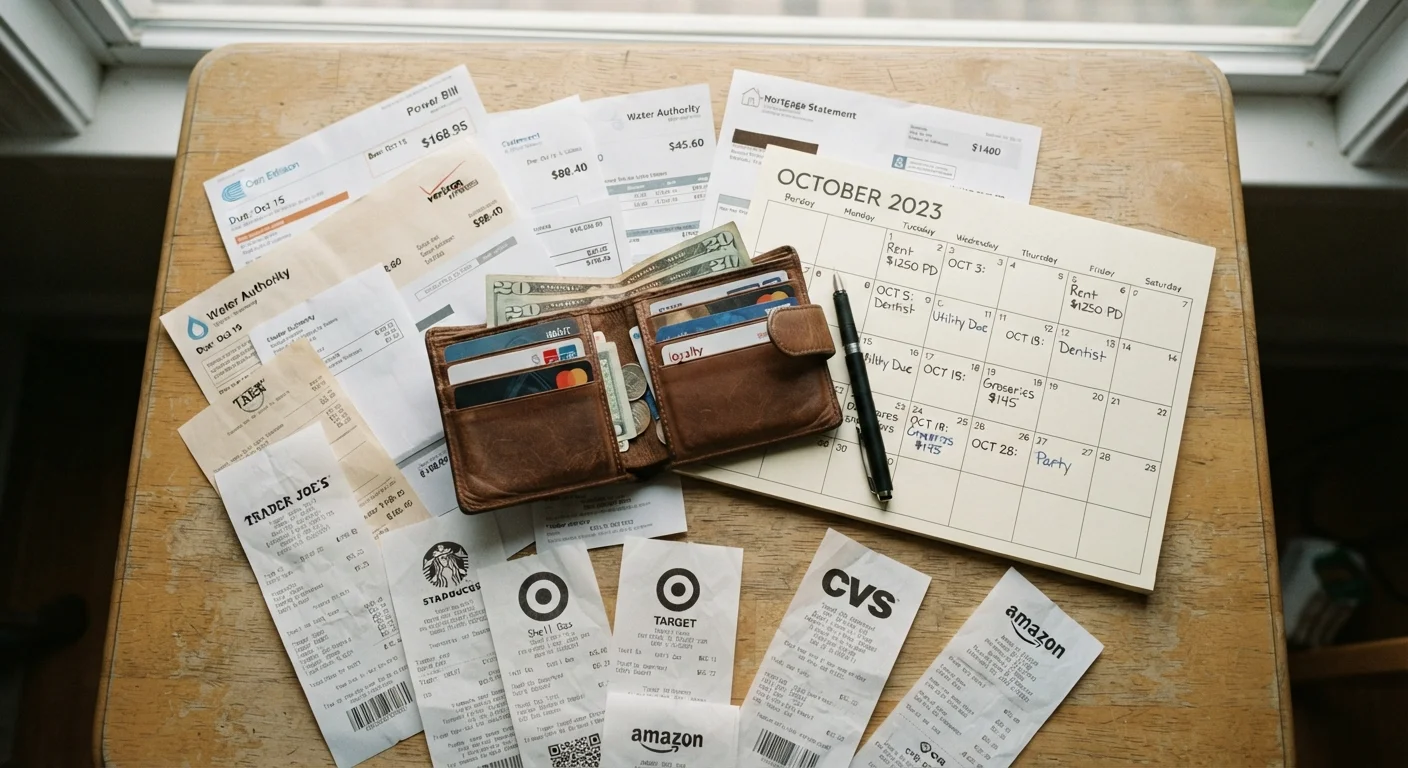
Smart Spending Myths That Keep People from Saving
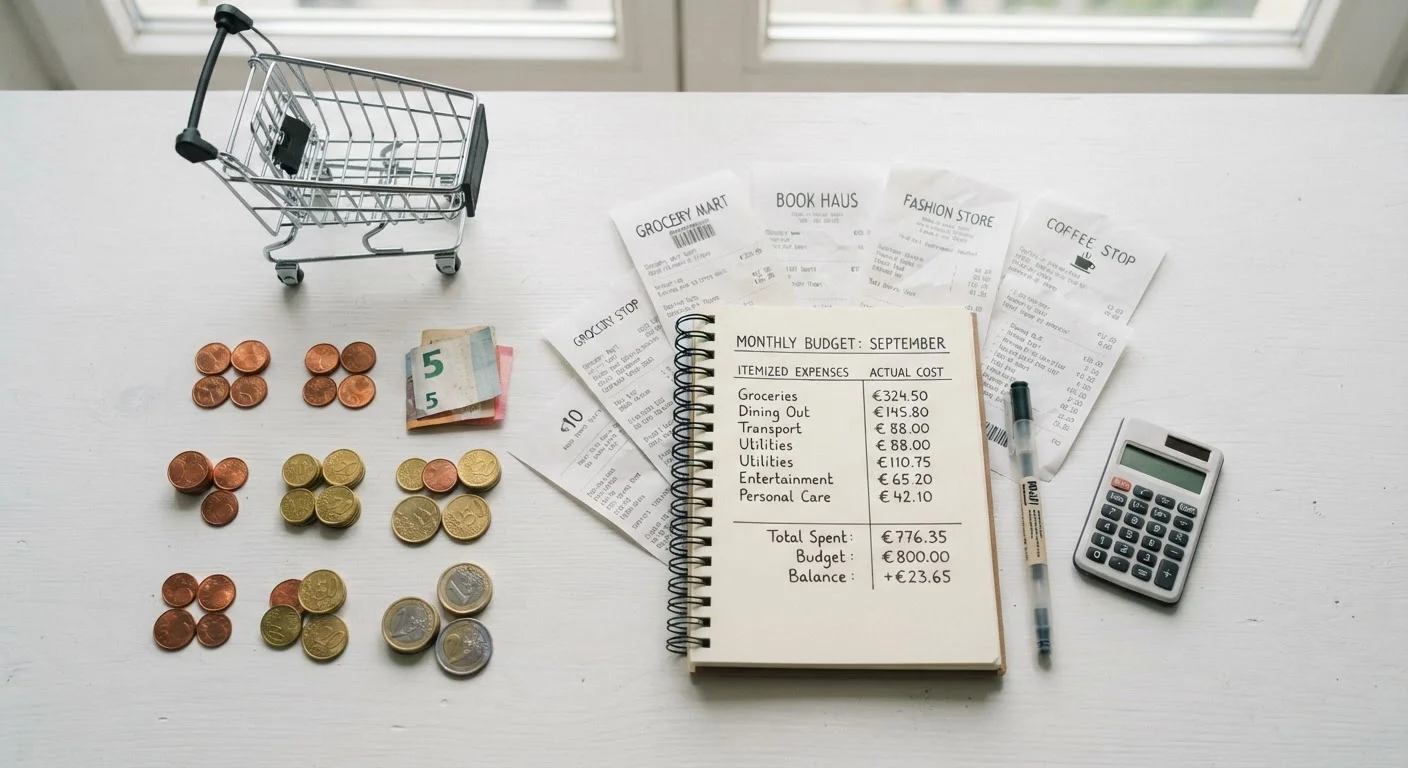
Photo credit: ResultsRover.com | Insights You Can Trust
From 'buying in bulk always saves money' to 'loyalty programs are free money' — common spending beliefs that don't hold up to scrutiny.
Key Takeaways
- Buying in bulk only saves money if you actually use everything before it expires or spoils.
- Loyalty programs can nudge you to spend more than you would have otherwise, offsetting any rewards.
- Sale prices don't always represent genuine discounts — the original price is often inflated.
- Small recurring subscriptions and fees compound into significant annual costs most people underestimate.
- Cognitive biases like anchoring and loss aversion are built into retail pricing to influence spending.
Why Spending Myths Are Expensive
Most money leaks don't come from reckless splurges. They come from habits that feel financially responsible but aren't quite what they seem. These beliefs spread because they contain a grain of truth — bulk buying can save money, loyalty programs do offer rewards — but they stop short of the full picture. The result is a slow drain that rarely shows up as a single obvious line item on your budget.
Understanding where these myths break down is one of the fastest ways to stop overspending without changing your lifestyle. For a broader look at where everyday dollars disappear, see this practical starting point for smarter everyday spending.
Myth
Buying in bulk always saves money.
Fact
Bulk buying saves money only when you fully use what you purchase before it expires, spoils, or becomes obsolete.
Per-unit prices on bulk items are often lower, but that math only holds if you consume the entire quantity. Perishables that go to waste, household products that sit unused, or items you bought simply because the deal felt too good to pass up all carry a real cost. A smaller package at a slightly higher unit price can be the cheaper choice if it matches your actual consumption. Before buying in bulk, compare the unit price and your realistic usage rate — not just the sticker price.
Myth
Loyalty programs are basically free money.
Fact
Loyalty rewards are funded by pricing structures that all customers pay into, and chasing them can increase overall spending.
Points and cashback feel like bonuses, but they're built into the retail margin — meaning you're partly funding your own rewards through the prices you pay. More importantly, loyalty programs are designed to influence where and how much you shop. Research on consumer behavior consistently finds that enrolled customers tend to spend more per visit and visit more frequently, outcomes that serve the retailer's interests. Rewards are valuable when you'd have made the purchase anyway; they're costly when they change the purchase decision. See also: what brand loyalty actually costs.
Myth
If something is on sale, you're saving money by buying it.
Fact
A discount only saves money if the item was priced fairly to begin with and you would have bought it at full price.
Retailers frequently use a practice called price anchoring — setting an elevated original price so that the marked-down price appears more attractive than it would if introduced fresh. Regulatory bodies have pursued cases where advertised 'original' prices were rarely, if ever, actually charged. Beyond inflated reference prices, a sale on something you weren't going to buy isn't a saving — it's a purchase. Why 'on sale' doesn't always mean you're saving breaks this down further.
Myth
Small monthly subscriptions aren't worth tracking.
Fact
Recurring small charges compound quickly — multiple unused subscriptions can add up to hundreds of dollars annually.
Subscription services are deliberately priced to feel trivial on a monthly basis. The business model depends on customers retaining services past the point of active use. A straightforward audit — pulling your bank and credit card statements and flagging every recurring charge — typically surfaces at least one or two services people forgot they were paying for. Canceling two $10/month subscriptions you don't use frees $240 a year, which can be redirected to an emergency fund or debt payment. Connecting to a basic household budget makes this easier to catch on an ongoing basis.
Myth
Spending more upfront always means better value.
Fact
Premium pricing signals quality in some categories but is irrelevant or misleading in many others.
Price-quality relationships exist in certain product categories — particularly where materials, manufacturing complexity, or safety are involved. But research shows consumers often overestimate the correlation between price and quality, especially for commoditized goods like basic pantry items, generic medications with the same active ingredients as branded versions, and standard household supplies. The habit of reaching for the premium option by default, without evaluating whether the extra cost delivers a measurable benefit in your specific use case, is a consistent source of budget leakage.
The Hidden Math Behind 'Saving' Strategies
Even well-intentioned saving strategies can backfire when the underlying math goes unexamined. Sale psychology, subscription creep, and misread unit prices all exploit the same gap: the difference between what we think we're spending and what we're actually spending. Retailers invest significantly in closing that gap in their favor.
~$219
Average monthly subscription spend per U.S. household
According to a 2022 Consumer Expenditure analysis by C+R Research, many households significantly underestimate their total subscription costs.
30%+
Of bulk purchases that go partially unused
Food waste research from the USDA estimates that U.S. households discard a substantial share of perishable food, often purchased in larger quantities than needed.
One of the clearest examples is the psychological pull of a markdown. When a price drops from $80 to $55, the brain anchors to the $80 and frames the purchase as a $25 gain — even if $55 was more than you planned to spend. Anchoring and loss aversion are core mechanisms retailers use to shape purchasing decisions, and recognizing them is a practical defense.
Sales Can Cost You More Than They Save
If a purchase wasn't already on your list, a discount is not a saving — it's an unplanned expense at a reduced price. Before acting on a sale, ask whether you would have bought the item at full price. If the answer is no, the 'savings' figure is zero. This single mental check can prevent a significant share of impulse purchases driven by promotional pricing.
The same scrutiny applies to loyalty programs. Reward points feel like found money, but they're funded by the margin built into prices paid by all customers — including you. And chasing points can subtly shift which store you use or how much you buy, sometimes costing more than the rewards are worth. For a deeper look at grocery-specific tactics, grocery spending habits that quietly drain your budget covers the store-design tricks worth knowing.
Subscriptions follow a similar pattern. A $12/month streaming service feels negligible, but high-frequency small purchases accumulate. Three unused or underused subscriptions total $432 a year — money that could go directly toward savings or debt. The fix is a quarterly audit: list every recurring charge, decide whether each still earns its keep, and cancel what doesn't.
For actionable next steps on building a savings habit that works with your real cash flow, automating savings without disrupting cash flow is a useful companion read. And if myths about saving itself are holding you back, these common savings misconceptions are worth examining directly.
This article is for general informational purposes only and does not constitute personalized financial advice. For guidance tailored to your situation, consult a qualified financial professional.

Author
Personal Finance Editorial Team
Personal Finance Editorial Team is the collective byline for our editorial team and contributor network. Articles published under this byline or an editorial pen name are researched, written, and reviewed according to our editorial standards for clarity, consistency, and independence before publication.
View all articles →