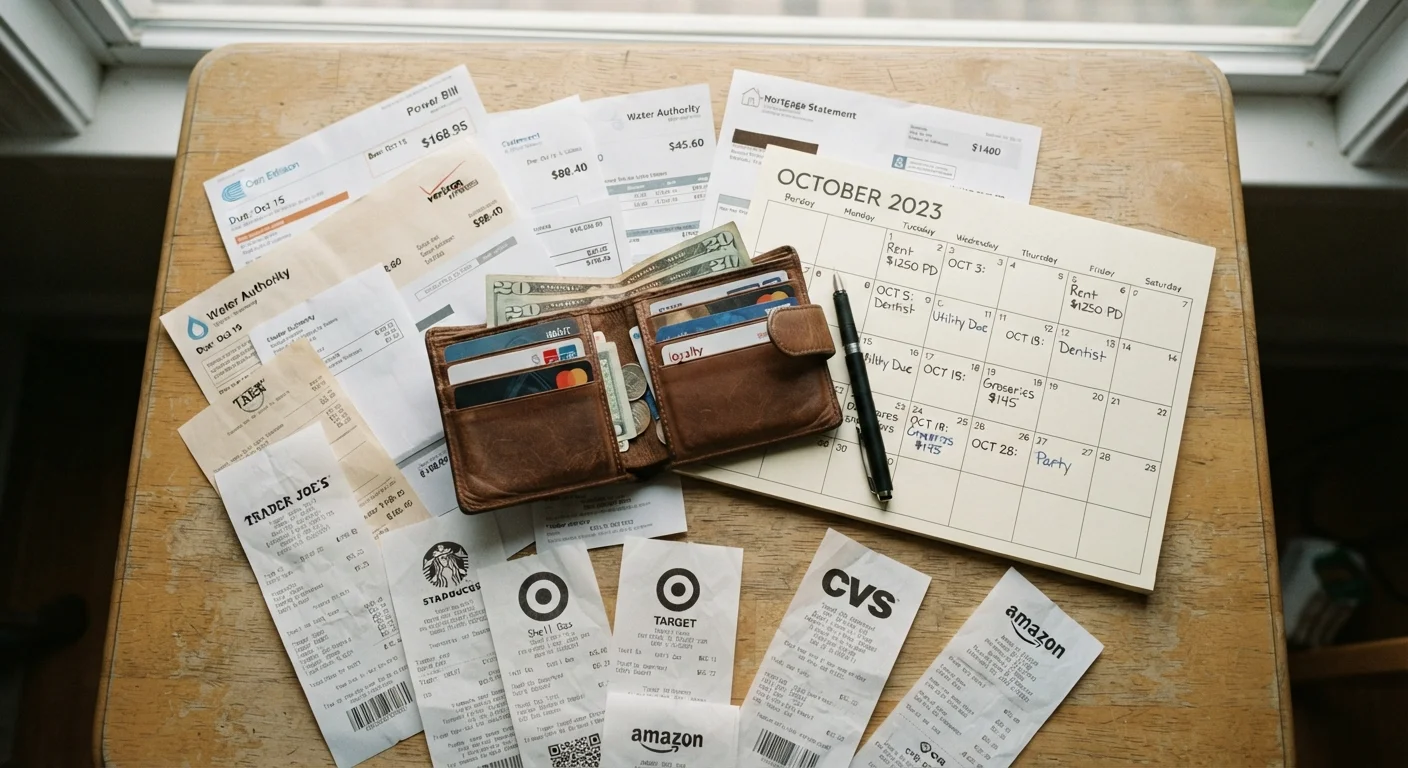
High-Frequency Purchases: Where Small Habits Become Large Expenses
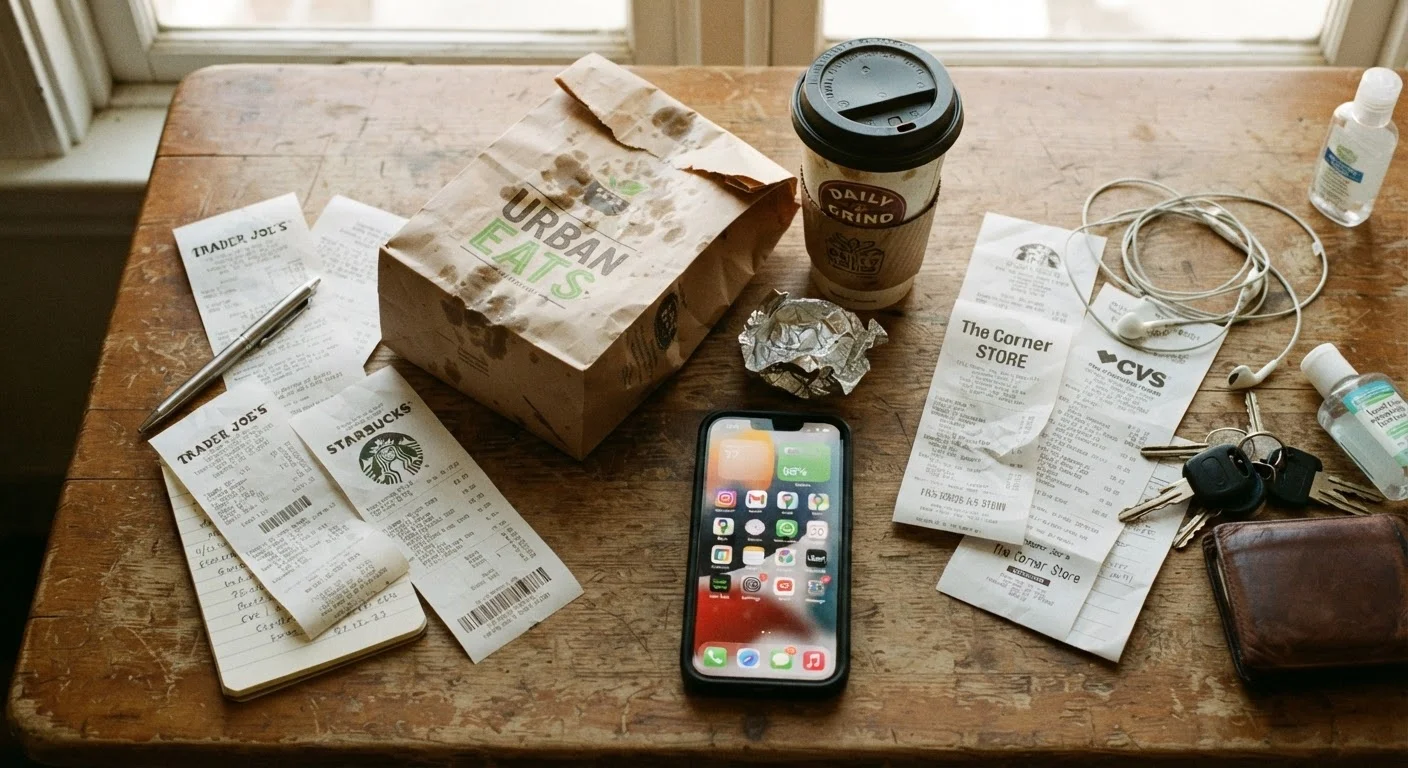
Photo credit: ResultsRover.com | Insights You Can Trust
Coffee, lunches, apps, and delivery fees feel minor in the moment. See how daily purchase patterns accumulate into major annual costs.
Key Takeaways
- Purchases under $10 are the hardest to track yet often the most damaging to a monthly budget.
- Daily habits like coffee runs and delivery orders can cost $2,000–$4,000 or more per year.
- Auditing just three to five high-frequency categories can reveal significant savings opportunities.
- Convenience fees and platform markups routinely add 15–30% to the underlying cost of a purchase.
- Reducing frequency, not necessarily eliminating habits, is often the most sustainable fix.
Why Small Purchases Do the Most Damage
The purchases that quietly drain a budget rarely feel like purchases at all. A $6 latte, a $3.99 delivery fee, a $14.99 app subscription — individually, none of these register as financial decisions. Collectively, they can rival a car payment. The problem isn't any single habit; it's the compounding effect of high frequency.
This is sometimes called the "latte factor" in personal finance circles, though the principle extends well beyond coffee. Any purchase made daily or near-daily has an annualized cost that most people never consciously calculate. A $7 weekday lunch purchase, for example, adds up to roughly $1,820 a year — before factoring in delivery fees or tips. Understanding budgeting basics is the starting point, but identifying where the leaks actually are is the real work.
The categories below represent the most common high-frequency spending patterns and, importantly, where realistic adjustments — not eliminations — make the biggest difference.
Coffee Shop Visits
A daily specialty coffee purchase — typically $5–$7 in most U.S. markets — costs between $1,825 and $2,555 per year if bought every weekday. This is one of the most documented high-frequency expenses in consumer spending research, and it's a useful benchmark precisely because the math is so visible once you run it.
The fix isn't necessarily giving up café coffee entirely. Reducing from daily to three times a week while brewing at home on other days can cut this category's cost by 40% or more — saving roughly $700–$1,000 annually — while preserving the habit where it matters most.
Cutting café visits from five to three days a week can recover $700–$1,000 a year.
Food Delivery Fees and Markups
Delivery platforms add cost in layers that are easy to miss: delivery fees, service fees, small-order fees, and menu prices that are frequently marked up 10–20% above in-restaurant prices. A meal that costs $14 at a restaurant can run $24–$28 by the time it arrives at your door.
Households ordering delivery even twice a week can spend $3,000–$4,000 a year on the delivery layer alone, beyond the food cost itself. Pickup orders — same app, same restaurant — typically eliminate all platform fees and most markups. That's a structural change that costs nothing in habit change but recovers real money. For related patterns, budget busters that quietly derail spending covers additional convenience-fee traps.
Platform fees and markups can add $10–$14 to every delivery order before you notice.
Subscriptions You've Stopped Noticing
The average American household carries more active subscriptions than most members are aware of. Streaming services, fitness apps, news paywalls, cloud storage tiers, and premium app upgrades each bill monthly and rarely trigger a second thought. At $10–$15 each, four forgotten subscriptions cost $480–$720 per year for services that may see little to no use.
The compounding effect here is stealth: each charge is small enough to pass unquestioned on a bank statement. A single annual audit — listing every recurring charge and evaluating each one — is the most efficient corrective action. Cancellation is permanent savings; there's no ongoing effort required after the audit.
Four underused subscriptions at $12 each cost over $576 a year in silent charges.
Convenience Store and Gas Station Stops
Convenience-store purchases — drinks, snacks, single-serve items — are priced for impulse, not value. A $2.50 bottle of water, a $3.50 energy drink, or a $4 bag of chips bought several times a week adds up to $500–$1,000 a year in a spending category most households don't even track separately.
These purchases often happen during transitions — commuting, errands, workouts — when planning ahead is easy. Keeping a reusable water bottle filled, stashing a snack in a bag, or adding these items to a regular grocery list replaces the habit without eliminating it. The unit cost difference between a convenience store and a supermarket for identical products frequently exceeds 100%. See how grocery spending habits can help close that gap.
Convenience store pricing on identical items often exceeds supermarket prices by more than 100%.
Workplace Vending and Cafeteria Spending
Workplace food spending is another high-frequency, low-visibility category. Vending machine snacks, cafeteria lunches, and bought breakfasts accumulate across a 250-day work year. Even modest daily spending of $8–$12 at work totals $2,000–$3,000 annually — a figure most workers wouldn't guess if asked to estimate.
Meal prepping even two or three days per week, rather than every day, significantly cuts this cost while reducing decision fatigue. The goal isn't perfection; it's reducing reliance on high-margin workplace food options by replacing them with cheaper, planned alternatives on the days when doing so is practical.
Just $10 a day in workplace food spending reaches $2,500 across a standard work year.
In-App Purchases and Microtransactions
Games, productivity tools, and social platforms increasingly monetize through small in-app purchases — $0.99 here, $4.99 there. Individually negligible, these purchases are engineered to feel low-stakes. But a user who spends $15–$20 per month across several apps is spending $180–$240 annually on digital goods with no resale value.
Unlike subscriptions, microtransactions often don't appear as line items — they're bundled under a single app name on a credit card statement. Reviewing app store purchase histories (available in account settings on both major mobile platforms) often surfaces totals that are substantially higher than expected. Disabling one-tap purchasing and requiring password confirmation adds enough friction to reduce impulse buying without restricting intentional purchases. Understanding smart spending myths can help reframe why these purchases feel harmless.
In-app purchases feel trivial in the moment but can total hundreds of dollars annually.
Turning Awareness Into Action
Awareness of these patterns is only useful if it leads somewhere concrete. The most practical next step is a spending tracker — even a basic one. Categorize your last 30 days of transactions and calculate monthly totals for each of the categories above. Most people find at least one number that surprises them.
From there, target one category at a time. Cutting back from five coffee shop visits a week to three is more sustainable than a hard stop, and still recovers meaningful money annually. For subscriptions and delivery platforms, a one-time audit — canceling unused subscriptions takes under an hour and is permanent savings with no ongoing effort. For broader context on where household money flows, see where your money actually goes each month.
Run a 30-Day Audit First
Before changing any habits, pull 30 days of bank and credit card transactions and tag every purchase by category. Seeing the actual totals — not estimates — is the most effective motivator for making changes. Many people find that just two or three categories account for the majority of their discretionary leakage. Start with those.
This article provides general financial information for educational purposes. It is not personalized financial advice. Consider consulting a qualified financial professional for guidance tailored to your specific situation.

Author
Personal Finance Editorial Team
Personal Finance Editorial Team is the collective byline for our editorial team and contributor network. Articles published under this byline or an editorial pen name are researched, written, and reviewed according to our editorial standards for clarity, consistency, and independence before publication.
View all articles →