
Grass Seed, Sod, or Plugs: Which Lawn-Starting Method Actually Works Best for Your Yard
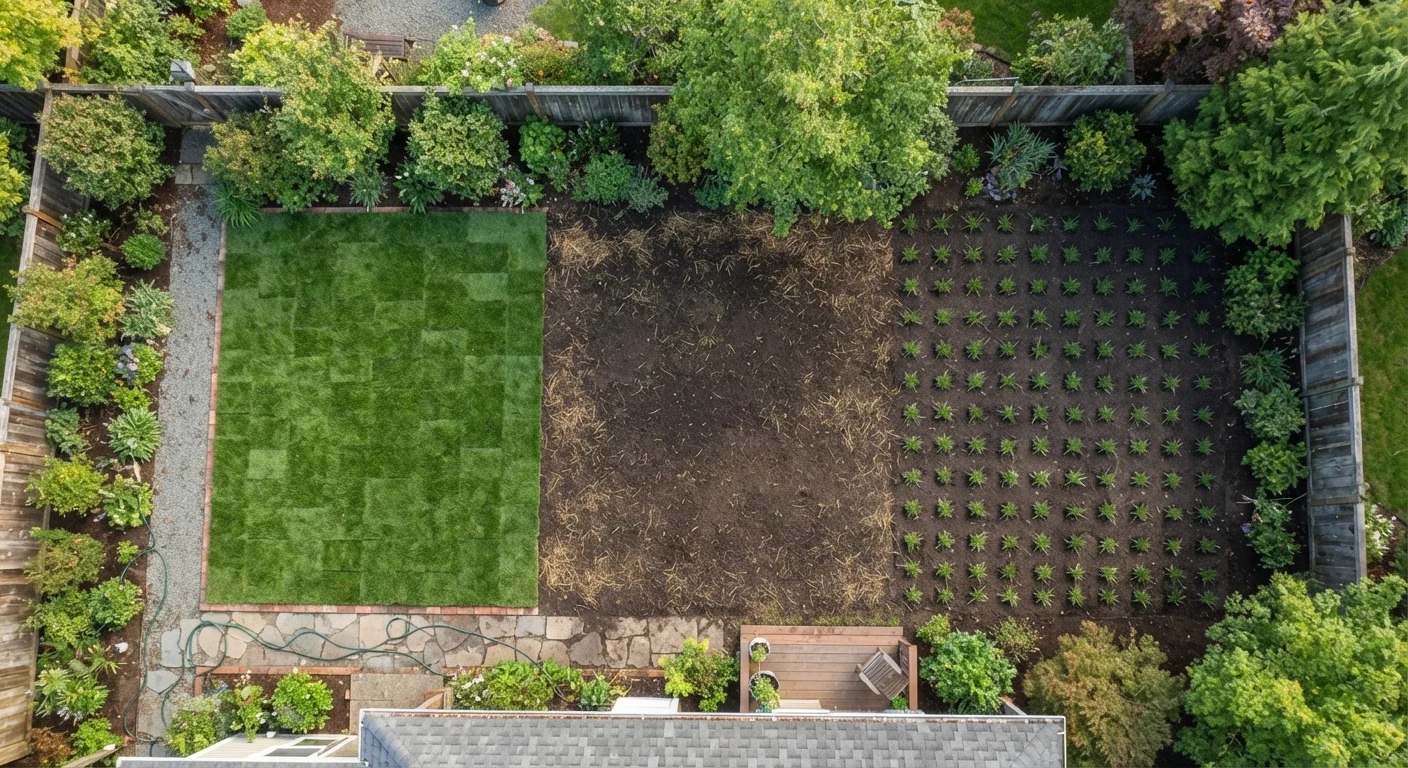
Photo credit: ResultsRover.com | Insights You Can Trust
In this article
Seed, sod, and plugs each suit different lawns, budgets, and timelines. Learn which method fits your soil, climate, and patience level.
Key Takeaways
- Grass seed costs the least upfront but requires the most patience - results take weeks to months.
- Sod delivers an instant lawn but typically costs five to ten times more than seeding.
- Plugs work best for warm-season grasses and fill in slowly over one to two growing seasons.
- Soil preparation matters equally regardless of which method you choose.
- Climate, grass species, and your timeline are the most important factors in picking the right method.
Understanding the Three Methods at a Glance
Starting a lawn from scratch - or reclaiming a bare, struggling yard - comes down to three practical approaches: planting grass seed, laying sod, or installing plugs. Each one has a distinct cost profile, effort level, and timeline. Choosing blindly leads to wasted money and a patchy result; choosing wisely means a lawn that suits your yard's conditions from day one.
| Grass Seed | Sod | Plugs | |
|---|---|---|---|
| Upfront cost | Low | High | Moderate |
| Time to usable lawn | 6-12 weeks | 2-3 weeks | 1-2 growing seasons |
| Effort level | Moderate | High (installation) | Low to moderate |
| Weed risk during establishment | High | Low | Moderate |
| Best grass types | Cool-season | Cool- or warm-season | Warm-season spreaders |
| Erosion control | Poor until established | Immediate | Poor until filled in |
| DIY-friendly | Very easy | Moderate | Easy |
Before diving into specifics, one rule applies to all three methods: soil preparation is non-negotiable. Loosen the top four to six inches of soil, address drainage issues, and amend with compost if needed. Skipping this step undermines any method you choose.
Grass Seed: The Patient Homeowner's Path
Seeding is the most common choice for cool-season grasses - fescues, bluegrass, and ryegrass - that thrive in the northern half of the country. It is also the most forgiving on the wallet, typically running a fraction of the per-square-foot cost of sod.
When it works well: Seeding shines when you have a flexible timeline, a large area to cover, and a grass species well-matched to your climate. Fall is the ideal window for cool-season varieties; late spring suits warm-season grasses like Bermuda or Zoysia.
The real challenges: Germination takes anywhere from one to four weeks depending on species, and a new seeded lawn cannot handle foot traffic for six to eight weeks after germination. Weeds are the biggest threat during this establishment window - bare soil is an open invitation.
Time Seeding With the Weather
For cool-season grasses, aim to seed at least six weeks before the first expected frost so seedlings can establish before winter. For warm-season grasses, wait until soil temperatures consistently reach 65-70°F. Planting outside these windows dramatically reduces germination rates and forces you to reseed, costing more in the long run.
For thin or patchy existing lawns, overseeding (scattering seed over existing turf after dethatching) is a lighter-lift alternative to a full re-seeding project. See our guide to reading lawn warning signs to decide if overseeding or a fresh start is warranted.
Sod: The Instant-Results Option
Sod is pre-grown turf harvested with a thin layer of roots and soil, delivered in rolls or slabs. Once laid and watered in, it looks like an established lawn within days - which is its primary appeal.
When it works well: Sod is the right choice when erosion control is urgent (slopes, new construction sites), when you need a usable lawn quickly for events or resale, or when weed pressure in bare soil would be unmanageable. It is available for both cool- and warm-season grass types.
The real challenges: Cost is the biggest barrier. Sod typically runs several times more per square foot than seed, and installation for a medium-sized yard can be a significant project. Sod must also be laid within 24-48 hours of delivery before it deteriorates, so timing and logistics matter. Roots need two to three weeks to knit into the soil before the lawn can be used normally.
If turf isn't your only option, compare it to low-maintenance ground covers for areas where mowing feels like a chore.
Plugs: The Middle-Ground Strategy
Plugs are small sections of growing turf - typically two to four inches in diameter - planted individually across bare or sparse soil at set intervals, usually six to twelve inches apart. Over one to two growing seasons, they spread to form a continuous lawn.
When it works well: Plugs are almost exclusively used for warm-season spreading grasses - Zoysia, Bermuda, St. Augustine, and Centipede - which naturally fill in by stolons (above-ground runners) or rhizomes (below-ground runners). They are ideal for homeowners who want a lower upfront cost than sod but better weed resistance than open-seeded soil.
The real challenges: Patience is the primary ask. A plug-started lawn may take a full growing season or more to achieve solid coverage, and weeds can infiltrate the gaps in the meantime. Closer spacing speeds coverage but increases material cost. Plugs are rarely practical for cool-season grasses, which do not spread aggressively enough to fill in reliably.
Don't Skip the Soil Test
Planting into soil with the wrong pH or nutrient profile is one of the most common reasons new lawns fail - regardless of method. A basic soil test (available through most cooperative extension offices) costs little and tells you exactly what amendments your soil needs before you invest in seed, sod, or plugs.
Need to rethink the yard entirely? Our hardscaping on a budget guide explores paths, patios, and borders that reduce the total lawn area you need to establish and maintain.
Matching the Method to Your Yard
The right choice depends on four practical factors:
- Grass type: Cool-season grasses are best started from seed; warm-season grasses suit all three methods, but plugs are especially well-suited to spreading varieties.
- Budget: Seed costs the least; sod costs the most. Plugs land in between, with cost depending on spacing.
- Timeline: Need results in two weeks? Sod. Have two months? Seed or plugs will work.
- Area size: Seed scales inexpensively to large areas. Sod installation for a half-acre or more becomes a major logistical and financial undertaking.
Whatever method you choose, commit to consistent watering during establishment - this single factor determines success more reliably than any other. Once your lawn is established, learn to read its warning signs early so small problems don't become expensive restarts.

Author
Home & Garden Editorial Team
Home & Garden Editorial Team is the collective byline for our editorial team and contributor network. Articles published under this byline or an editorial pen name are researched, written, and reviewed according to our editorial standards for clarity, consistency, and independence before publication.
View all articles →