
Why Fresh Paint Is the Most Underestimated Tool in a Homeowner's Arsenal
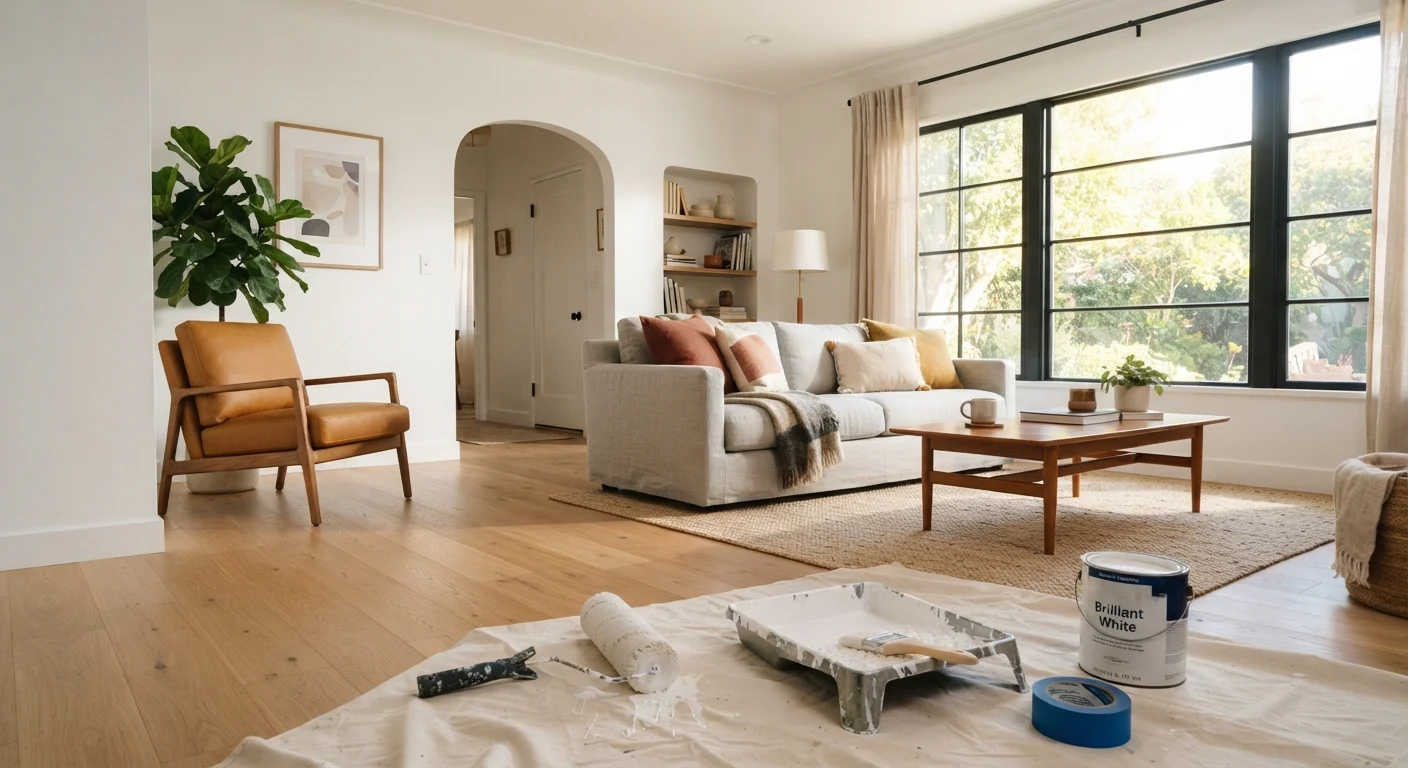
Photo credit: ResultsRover.com | Insights You Can Trust
In this article
Discover why interior and exterior paint jobs consistently rank among the highest-ROI home improvements and how color choices affect perceived space.
Key Takeaways
- Fresh paint consistently ranks among the highest-ROI home improvements for the money spent.
- Exterior paint directly influences curb appeal and a buyer's first impression of any home.
- Color choice affects how large, bright, or welcoming a room feels - not just how it looks.
- Proper prep work - cleaning, priming, patching - determines whether a paint job lasts or fails.
- Even renters and budget-constrained homeowners can use paint strategically to add real value.
Why Paint Punches Above Its Weight
Of all the upgrades a homeowner can make, fresh paint offers one of the clearest examples of low cost producing high impact. A gallon of quality paint covers roughly 350-400 square feet, and a weekend's work can completely change how a room or an exterior reads to the eye. Yet paint is routinely overlooked in favor of flashier, far more expensive projects.
The reason paint works so well is simple: it addresses the thing buyers and guests notice first - visual condition. Scuffed walls, faded trim, and peeling exterior paint communicate neglect even when a home is structurally sound. Fresh paint reverses that signal instantly. For homeowners focused on understanding home improvement ROI, paint is usually one of the first places to start.
107%
Estimated ROI for interior painting at resale
Industry estimates from real estate and remodeling cost data suggest interior paint can return more than its cost when selling, though results vary significantly by market and condition.
55%
Buyers influenced by exterior paint condition
Real estate research consistently identifies exterior appearance as among the top factors shaping a buyer's initial impression before viewing the interior.
$200-$600
Typical DIY cost to paint an average room
Material costs for a standard bedroom or living room - including primer, paint, and basic supplies - typically fall in this range for a DIY project, excluding labor.
The Exterior Case: Curb Appeal Is Not Cosmetic
Exterior paint does more than make a home look good from the street - it protects siding, wood trim, and masonry from moisture infiltration and UV damage. A failing exterior paint job isn't just an aesthetic problem; it's a maintenance problem. Curb appeal improvements consistently influence how buyers perceive value before they ever step inside.
A fresh exterior paint job in a well-considered, neighborhood-appropriate palette can shift a home from looking dated to looking deliberately maintained. Front doors in particular carry disproportionate visual weight - a bold, clean front door color against a neutral body is one of the simplest ways to add character without a large investment.
Test Exterior Colors on a Small Section First
Before committing to a full exterior repaint, apply your chosen colors to a small, inconspicuous section of siding and observe it across several days and lighting conditions. Exterior paint looks markedly different in direct sun, shade, and overcast light than it does on a color chip. This one step can save significant time, money, and regret.
How Color Choice Shapes Perceived Space
Color is not just a style preference - it's a functional tool. Light, cool neutrals reflect more ambient light and make rooms feel larger and airier. Deep, warm tones draw walls inward, creating intimacy that works well in dining rooms or reading nooks but can feel cramped in already-small spaces.
Ceiling color is frequently underestimated. Painting a ceiling the same color as the walls - or slightly lighter - removes the visual line that defines where the room ends, elongating the space. Conversely, a darker ceiling in a tall room can make it feel less cavernous and more grounded.
For homeowners tackling multiple spaces, consider how colors flow between rooms. An open floor plan reads as more cohesive when adjacent rooms share tones from the same family, even if they're not identical. These kinds of visual decisions complement other weekend projects that reshape how a room feels without requiring major construction.
Prep Work: Where Paint Jobs Succeed or Fail
The single most common reason a paint job underperforms isn't the paint - it's what happened before the first brush stroke. Skipping surface preparation is the source of peeling, bubbling, and uneven coverage that makes a fresh paint job look shoddy within a year.
Good prep means cleaning surfaces thoroughly, filling holes and cracks with appropriate patching compound, sanding rough spots smooth, and applying primer where needed. On exteriors, this often means scraping loose paint and addressing any moisture issues before adding a new coat - otherwise you're sealing in a problem. If you're pressure washing before painting, review what pressure washing helps and what it can damage to avoid surface harm.
For kitchen and bath projects, paint is only part of the picture. A kitchen refresh without a full renovation often pairs a cabinet repaint with hardware updates for a cohesive result that looks far more expensive than the combined cost.
“Preparation is everything in painting. The paint itself is almost secondary - a perfectly prepped surface makes even mid-grade paint look professional, while the finest paint on a poorly prepared wall will always disappoint.”
— A licensed painting contractor with over 20 years of residential experience, Professional Painting Contractor
Frequently Asked Questions

Author
Home & Garden Editorial Team
Home & Garden Editorial Team is the collective byline for our editorial team and contributor network. Articles published under this byline or an editorial pen name are researched, written, and reviewed according to our editorial standards for clarity, consistency, and independence before publication.
View all articles →