
Why Cheap Flooring Installations Often Cost More in the Long Run
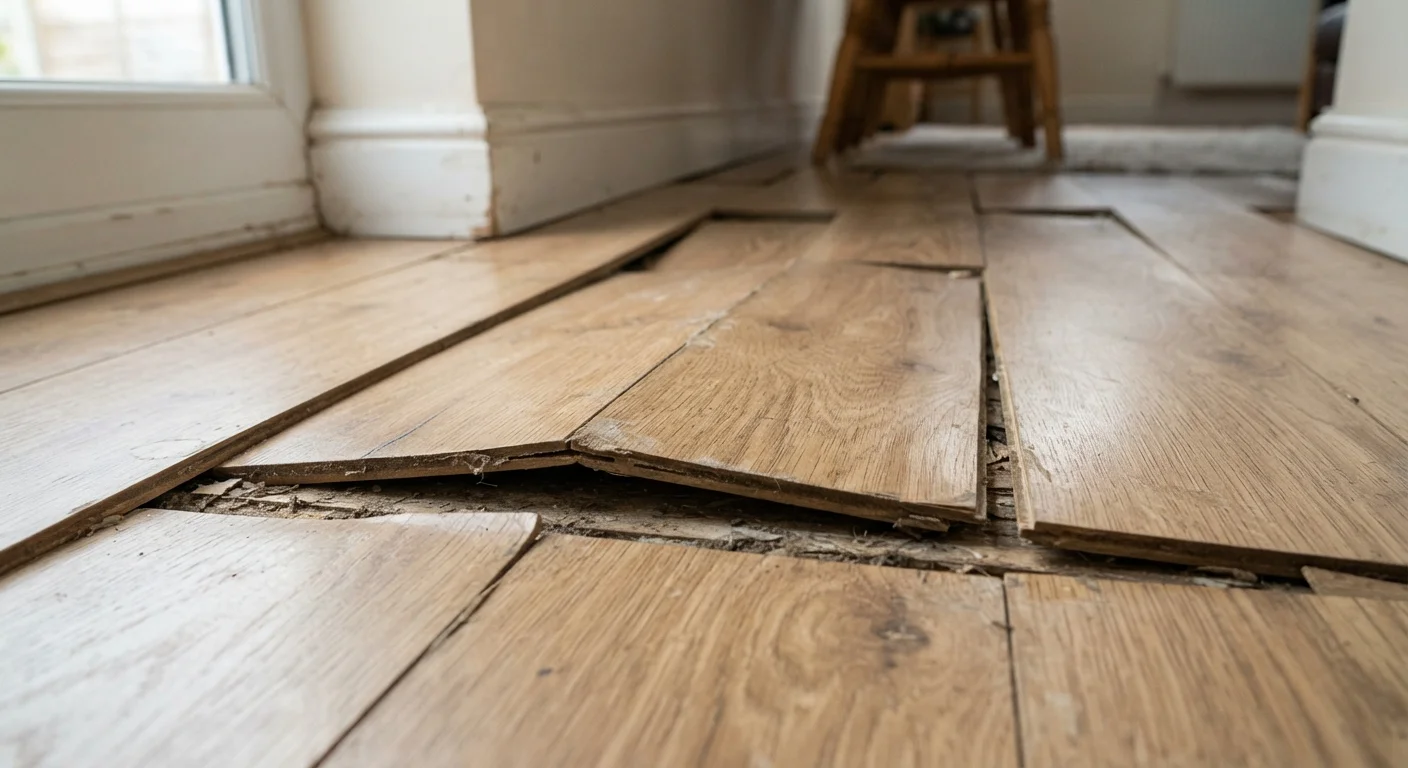
Photo credit: ResultsRover.com | Insights You Can Trust
In this article
Cutting corners on subfloor prep, adhesive, or trim work creates costly problems later. Here's what installers skip and why it matters.
Key Takeaways
- Poor subfloor preparation is the leading cause of premature flooring failure and costly re-installation.
- Cheap adhesives and fasteners can void manufacturer warranties, leaving homeowners with no recourse.
- Skipping acclimation time causes wood and laminate floors to warp or gap within months.
- Inadequate expansion gaps and trim work lead to buckling that requires full floor removal to fix.
- The true cost of a cut-rate installation often exceeds what a quality job would have cost initially.
The Real Price of Cutting Corners on Flooring
A flooring quote that seems significantly lower than the competition isn't always a bargain - it's often a signal that critical steps are being skipped. The materials you see on the surface account for only part of a successful floor. What happens beneath it, and how it's installed, determines whether that floor lasts five years or twenty-five.
This pattern - spending less now and far more later - appears across home improvement projects. As we explain in our guide on how deferred home repairs compound costs, cutting corners rarely saves money over time. Flooring is one of the clearest examples of this principle in action.
Skipping subfloor inspection and leveling before installation begins.
Why it happens: Subfloor prep is time-consuming and unsexy - it's invisible once the new floor goes down, making it an easy cut for installers competing on price.
Failing to test for moisture before installing wood or laminate flooring.
Why it happens: Moisture testing requires equipment and takes time. Budget installers often skip it, betting the floor will be fine - a gamble that homeowners lose when planks cup, swell, or develop mold.
Not allowing flooring materials to acclimate to the home's temperature and humidity.
Why it happens: Acclimation can take 48-72 hours or longer depending on material and conditions, and many low-bid installers simply don't factor that time into their schedule.
Using undersized or low-quality adhesive to reduce material costs.
Why it happens: Premium flooring adhesives cost more and require longer cure times, so cost-cutting installers substitute cheaper alternatives that don't bond as well or hold up under foot traffic and temperature shifts.
Leaving inadequate expansion gaps along walls and transitions.
Why it happens: Expansion gaps are small, easy to undersize, and hidden by baseboards - making them a common skip when an installer is rushing.
Skipping or cheapening out on transition strips and finishing trim.
Why it happens: Trim and transitions are often treated as cosmetic afterthoughts, but they protect the floor's edges and manage movement between different flooring materials or elevation changes.
Why These Mistakes Happen - and How to Protect Yourself
Most installation shortcuts aren't the result of incompetence alone. Competitive bidding pressure and tight project timelines push some installers to skip preparation steps that are invisible once the floor is laid - but critical to its long-term performance.
Up to 80%
Of flooring failures traced to installation error
Industry flooring professionals commonly estimate the large majority of premature floor failures stem from improper installation rather than defective materials.
2-3×
Cost to remove and reinstall vs. install correctly once
Flooring contractors note that tear-out, subfloor repair, and reinstallation after a failed job typically costs two to three times more than a quality first installation.
Homeowners can protect themselves by requesting an itemized written scope of work before any job begins. That document should explicitly list subfloor inspection, moisture testing, acclimation time, and trim and transition details. If those line items are absent, ask why. A qualified installer will welcome the question; one cutting corners may not.
It's also worth understanding that cheaper isn't always wrong - the framework for deciding when upfront quality pays off applies directly here. On labor and prep work, the upfront investment almost always wins.
Workmanship Warranties Are Non-Negotiable
Material warranties from manufacturers are routinely voided when installation doesn't meet their published guidelines - and they won't cover failures caused by improper prep or adhesive choices. Always get a separate written workmanship warranty from your installer. If a problem arises, that document is your only recourse for having the work corrected at no additional cost.
Before signing any contract, verify the installer carries liability insurance and offers a written workmanship warranty. These aren't luxuries - they're the minimum standard for protecting your home and budget. The common home improvement myths that cost homeowners money covers related misconceptions that lead people to skip this verification step.

Author
Home & Garden Editorial Team
Home & Garden Editorial Team is the collective byline for our editorial team and contributor network. Articles published under this byline or an editorial pen name are researched, written, and reviewed according to our editorial standards for clarity, consistency, and independence before publication.
View all articles →