
Reading a Car Listing Like an Informed Buyer
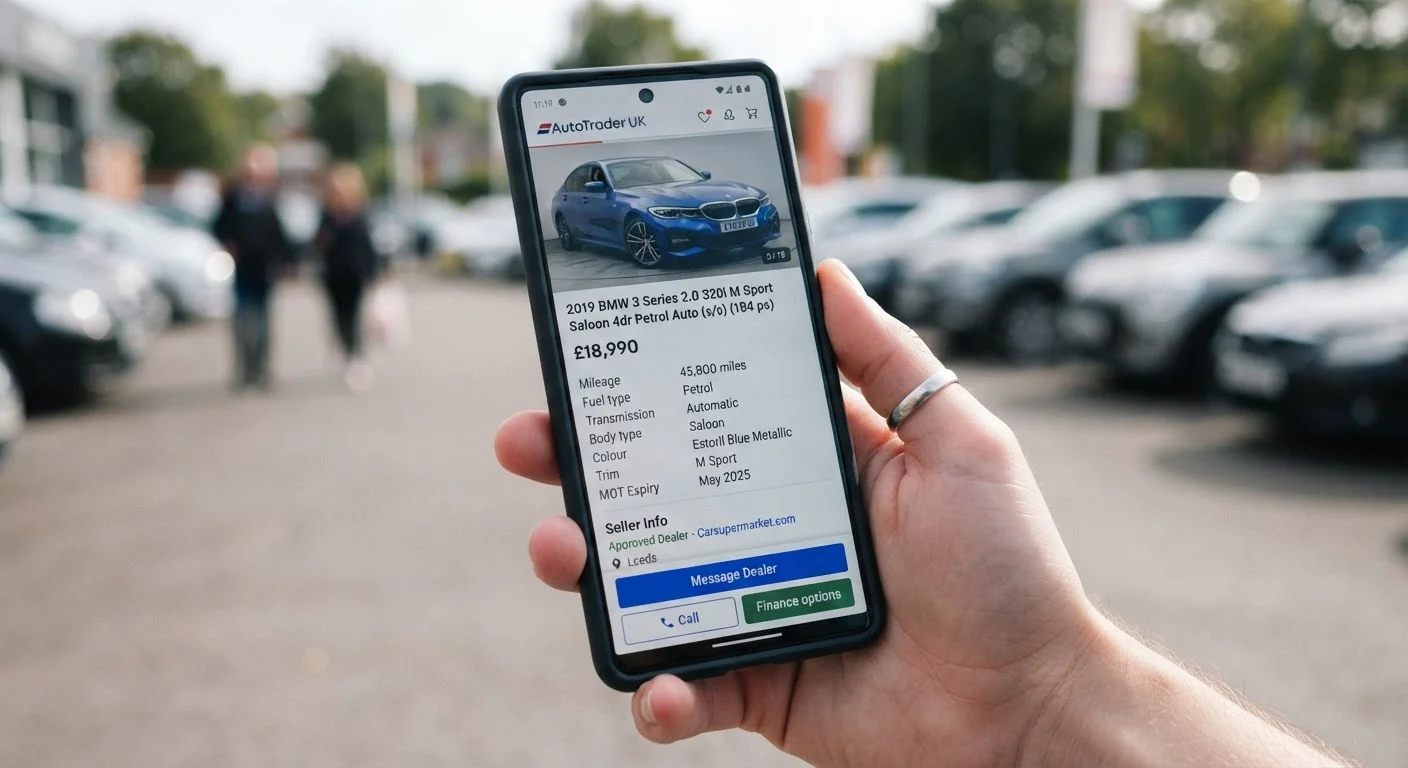
Photo credit: ResultsRover.com | Insights You Can Trust
In this article
Decoding mileage disclaimers, trim-level shorthand, and seller language can save you a wasted trip. Learn what to look for before you contact a seller.
Key Takeaways
- Listing language like 'runs great' and 'as-is' signals very different seller situations and risk levels.
- Trim-level abbreviations (LX, EX, SE, etc.) directly affect a vehicle's actual features and resale value.
- High mileage isn't always a dealbreaker - maintenance history matters more than the odometer alone.
- A vehicle history report is a useful filter, but it doesn't catch everything a physical inspection will.
- Photos can reveal structural damage, rust, or wear that a description quietly omits.
Why Listing Literacy Matters Before You Make Contact
Every car listing is a seller's best attempt to present a vehicle favorably. That's not inherently dishonest - it's the nature of selling. But for a buyer, filtering good listings from problematic ones before making a phone call or driving an hour to see a car is a real skill that saves time and protects your money.
Listings vary enormously in quality. A detailed listing with clear photos, a full VIN, stated maintenance history, and an honest description of known issues is a buyer's ally. A sparse listing with vague language, no interior shots, and a suspiciously low price requires a different level of scrutiny. Learning to tell the difference quickly - before you're emotionally invested - is the goal.
The same principles that apply to reading any product spec sheet apply here. As our guide on reading between the lines of product specifications explains, the numbers and descriptions that aren't present are often as informative as the ones that are.
What you will need
What to Look For at Each Stage
Reading a listing well is a sequential process. Jumping straight to photos is natural, but a disciplined approach catches more red flags before you invest further time or money.
Vehicle History Report Service
Pulls reported accident, title, odometer, and ownership data tied to a specific VIN.
Market Valuation Tool
Provides a price range for the specific year, make, model, trim, and mileage so you can judge whether an asking price is reasonable.
Manufacturer Trim-Level Reference Page
Lists factory-installed features for each trim designation so you can verify what should be on the vehicle.
Reverse Image Search
Checks whether listing photos are stock images or duplicated from other listings, which can signal a fraudulent post.
Read the full listing text before looking at photos
Scan the entire written description first. Note every word that softens or hedges - phrases like "needs minor work," "small dent," "some rust," or "priced to sell" often signal issues the seller is disclosing in the least alarming way possible. Also flag anything conspicuously absent: no mention of accident history, no service records, no reason for selling.
Decode the trim level and confirm what it includes
Trim abbreviations - LX, EX, SE, Limited, Sport, Premium, and so on - represent different factory feature packages. A lower trim on an otherwise identical car can mean no heated seats, a smaller engine, fewer safety systems, or a non-leather interior. Look up the manufacturer's trim breakdown for that specific model year to verify what the listed trim should include, then compare it against the features the seller claims.
Watch for listings that mention aftermarket upgrades as if they're factory features. Aftermarket additions don't always add equivalent resale value and may affect warranty coverage or reliability.
Evaluate mileage in context, not in isolation
Average U.S. vehicle mileage runs roughly 12,000-15,000 miles per year. A five-year-old car with 90,000 miles has been driven harder than average; one with 45,000 miles has been driven less. But the number alone tells you little. A well-maintained high-mileage vehicle can easily outlast a low-mileage car that was neglected. Ask whether the seller has maintenance records, and look for consistency between stated mileage and the vehicle's apparent condition in photos.
Scrutinize every photo systematically
Work through photos in a fixed order: exterior front, rear, both sides, wheel wells, undercarriage (if shown), engine bay, interior front, interior rear, odometer, and dashboard. Look for paint color mismatches between panels, which can indicate prior bodywork or repairs. Check for rust along door sills, rocker panels, and wheel arches. In the engine bay, look for oil residue around gaskets or hoses. A listing with fewer than eight photos or none of the engine bay warrants a direct request for more before scheduling a visit.
Run a vehicle history report on the VIN
Enter the full 17-character VIN into a reputable history report service. Review the report for title issues (salvage, flood, or rebuilt titles), reported accidents, odometer discrepancies, and the number of previous owners. Keep in mind that history reports only capture events that were reported - a cash-repair accident or unreported flood damage won't appear. Treat a clean report as encouraging, not conclusive. See what a vehicle history report actually tells you - and what it misses for a fuller picture of report limitations.
Assess seller language and responsiveness
How a seller communicates is itself useful data. Vague answers to direct questions, pressure to decide quickly, reluctance to allow a pre-purchase inspection, or requests for unusual payment methods are all warning signs. A straightforward seller will typically welcome an independent inspection because it accelerates a legitimate sale. For more on navigating private transactions safely, see protecting yourself during a private-party car transaction.
"As-Is" Means No Recourse After Purchase
When a listing states "as-is," the seller is explicitly disclaiming responsibility for any defects discovered after the sale. In most U.S. states, private-party as-is sales offer buyers very limited legal recourse. Never waive a pre-purchase inspection on an as-is vehicle - and factor potential repair costs into your offer from the start.
Cross-Check the Asking Price Against Market Data
Before contacting a seller, look up the vehicle's approximate market value using publicly available pricing tools based on year, make, model, trim, mileage, and ZIP code. A price significantly below comparable listings may indicate undisclosed problems rather than a genuine deal. Use that gap as a starting point for questions, not a reason to rush.
After the Listing: Next Steps Before You Commit
A listing that passes your initial review is a candidate for follow-up - not a confirmed purchase. Contact the seller with specific questions: Why are you selling? Do you have service records? Has the car had any body or paint work? Is the price negotiable? The answers, and the manner in which they're given, tell you as much as the listing itself.
If everything still checks out, schedule a pre-purchase inspection with an independent mechanic before finalizing anything. This single step catches issues that photos, history reports, and test drives routinely miss - and is especially important for vehicles sold as-is.
Incomplete or Missing VIN Is a Red Flag
A legitimate private seller or dealer should have no reason to withhold or partially obscure the Vehicle Identification Number. If a listing omits the VIN or the seller resists sharing it, treat that as a serious warning sign. Without a full VIN, you cannot run a history report or verify the vehicle's identity.
Understanding how sellers think also helps you read their listings more critically. Our guide on selling a car privately walks through what a prepared seller does - which tells you what to expect and what to ask when a seller seems underprepared. For a broader view of ownership costs once you've made a purchase, explore the Auto Costs & Insurance hub.

Author
Auto Essentials Editorial Team
Auto Essentials Editorial Team is the collective byline for our editorial team and contributor network. Articles published under this byline or an editorial pen name are researched, written, and reviewed according to our editorial standards for clarity, consistency, and independence before publication.
View all articles →