
Leasing Versus Buying: Matching the Choice to Your Driving Life
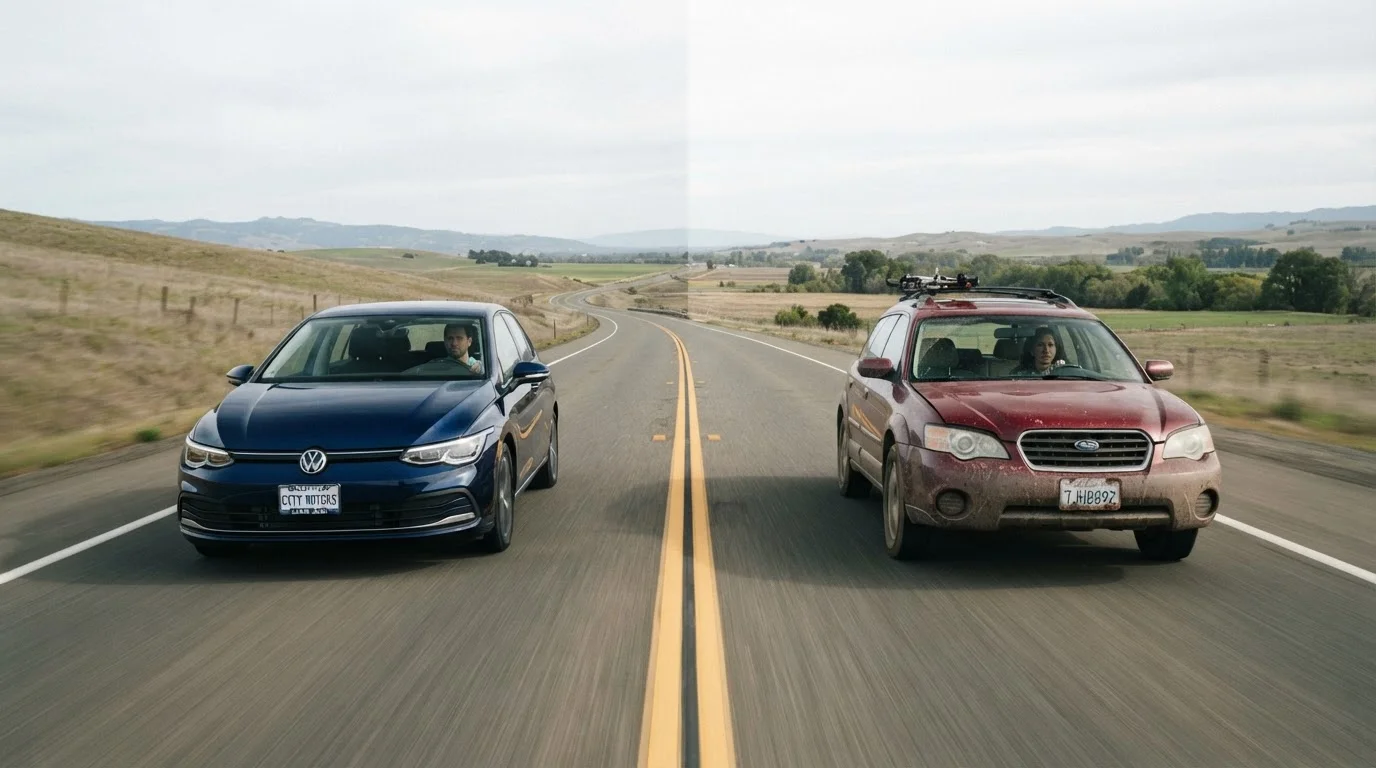
Photo credit: ResultsRover.com | Insights You Can Trust
In this article
Neither leasing nor buying is universally better. This side-by-side breakdown helps you match the right approach to your mileage, budget, and habits.
Key Takeaways
- Leasing typically means lower monthly payments but no equity and strict mileage caps.
- Buying costs more upfront but builds ownership and has no restrictions on use or mileage.
- Your annual mileage, budget stability, and how long you keep vehicles are the three critical factors.
- Neither option is universally superior - the math shifts based on your specific driving life.
- Long-term buyers often pay less per mile over time once a loan is paid off.
The Core Difference: What You're Actually Paying For
When you lease, you are paying for the depreciation that occurs during the lease term - typically 24 to 36 months - plus finance charges and fees. At the end, you return the vehicle and start over. When you buy, your payments go toward owning the vehicle outright. Once the loan is paid, the car is yours with no further obligation.
That distinction drives every other difference. Leasing keeps monthly costs lower because you are financing a fraction of the vehicle's value, not the whole thing. Buying carries higher monthly payments but builds equity. For a fuller look at how costs compound over a vehicle's life, see how ownership costs shift as a car ages.
| Leasing | Buying | |
|---|---|---|
| Monthly payment | Lower (covers depreciation only) | Higher (covers full vehicle value) |
| Ownership at end of term | None - vehicle returned | Full - title in your name |
| Mileage limits | Yes - typically 10,000-15,000/yr | None |
| Modification allowed | Generally no permanent changes | Unrestricted |
| Long-term cost (5-10 yrs) | Higher - payments never stop | Lower - ends at loan payoff |
| Wear-and-tear liability | Yes - charged at return | No - owner absorbs costs |
| Best suited for | Lower mileage, frequent upgraders | High mileage, long-term holders |
Mileage: The Lease Deal-Breaker for Many Drivers
Most lease agreements cap annual mileage at 10,000 to 15,000 miles. Exceeding that limit triggers per-mile overage fees - often $0.15 to $0.25 per mile - that can add hundreds of dollars to your end-of-lease bill. If you drive 18,000-20,000 miles per year, leasing will likely cost you more than the sticker price suggests.
Buyers face no such restriction. You can drive cross-country, haul gear, or put 25,000 miles on the odometer annually without penalty. If your lifestyle involves long commutes, road trips, or work-related driving, ownership removes a significant financial variable.
Underestimating Mileage Can Be Costly
Many drivers underestimate how much they drive annually. Before signing a lease, pull 12 months of actual odometer data from service records or insurance documents. If you are routinely above 15,000 miles per year, overage fees can erase the monthly payment savings leasing appeared to offer. A purchase or a higher-mileage lease allowance negotiated upfront is often cheaper in the long run.
Monthly Budget vs. Long-Term Cost
Leasing consistently produces lower monthly payments - sometimes 30-40% less than a comparable purchase loan - because you are only financing the depreciated portion. That can matter a great deal when cash flow is tight or when you want to drive a vehicle above your outright purchase budget.
Over a decade, though, the math often reverses. A buyer who pays off a five-year loan and keeps the vehicle another five years eliminates their payment entirely. A serial lessee never stops paying. Compare the full cost structures of leasing and buying, including long-term totals, before committing.
If you are weighing whether to finance or pay cash for a purchase, understanding the real trade-off between paying cash and financing can sharpen that decision further.
~30-40%
Typical monthly payment reduction with leasing vs. buying
Industry estimates consistently show lease payments run materially lower than equivalent purchase loan payments for the same vehicle.
$0.15-$0.25
Common per-mile overage fee on leases
Exceeding lease mileage caps triggers per-mile charges that can add several hundred dollars to end-of-lease costs.
~6 years
Average length of new vehicle ownership in the U.S.
Drivers who keep vehicles beyond the loan payoff period typically realize the lowest cost-per-mile of any ownership approach.
Flexibility, Wear-and-Tear, and Hidden Costs
Leases come with wear-and-tear standards. Dings, stained interiors, or damaged tires that exceed the lessor's definition of normal use result in charges at turn-in. Owners can fix - or choose not to fix - cosmetic damage on their own timeline and budget.
Leases also limit modifications. If you want to add a tow hitch, roof rack, or aftermarket audio system, most lease agreements prohibit permanent changes. Owners can customize freely.
Insurance requirements differ too. Lessors typically require higher coverage limits than a lender financing a purchase. Review full coverage vs. liability-only insurance requirements to understand what each scenario will likely cost you annually.
Negotiate Before You Sign Either Way
Both lease terms and purchase prices are negotiable. On a lease, the capitalized cost (the vehicle's agreed price) directly affects your monthly payment - lower it like you would a purchase price. On a loan, the interest rate and loan term both shape total cost. Going in with a pre-approved financing offer gives you a credible benchmark regardless of which path you choose.
How to Make the Call for Your Situation
Three questions cut through most of the noise:
- How many miles do you drive per year? Under 12,000: leasing is worth considering. Over 15,000: buying is almost always cheaper.
- How long do you typically keep a vehicle? Two to three years: leasing aligns well. Five or more years: buying builds value.
- Is predictable monthly cost or total cost more important to you? Near-term cash flow: leasing has an edge. Lowest lifetime cost: buying usually wins.
There is no universally correct answer. The right move is the one that fits your actual driving patterns - not the one with the lower payment on a dealer's worksheet. If you reach the buying decision, reading a car listing like an informed buyer will help you evaluate your options with clear eyes.
For broader context on making every vehicle dollar count, the Auto Costs & Insurance hub covers depreciation, coverage, and ongoing expense strategies in one place.

Author
Auto Essentials Editorial Team
Auto Essentials Editorial Team is the collective byline for our editorial team and contributor network. Articles published under this byline or an editorial pen name are researched, written, and reviewed according to our editorial standards for clarity, consistency, and independence before publication.
View all articles →