
Depreciation and the Shrinking Value of Your Vehicle
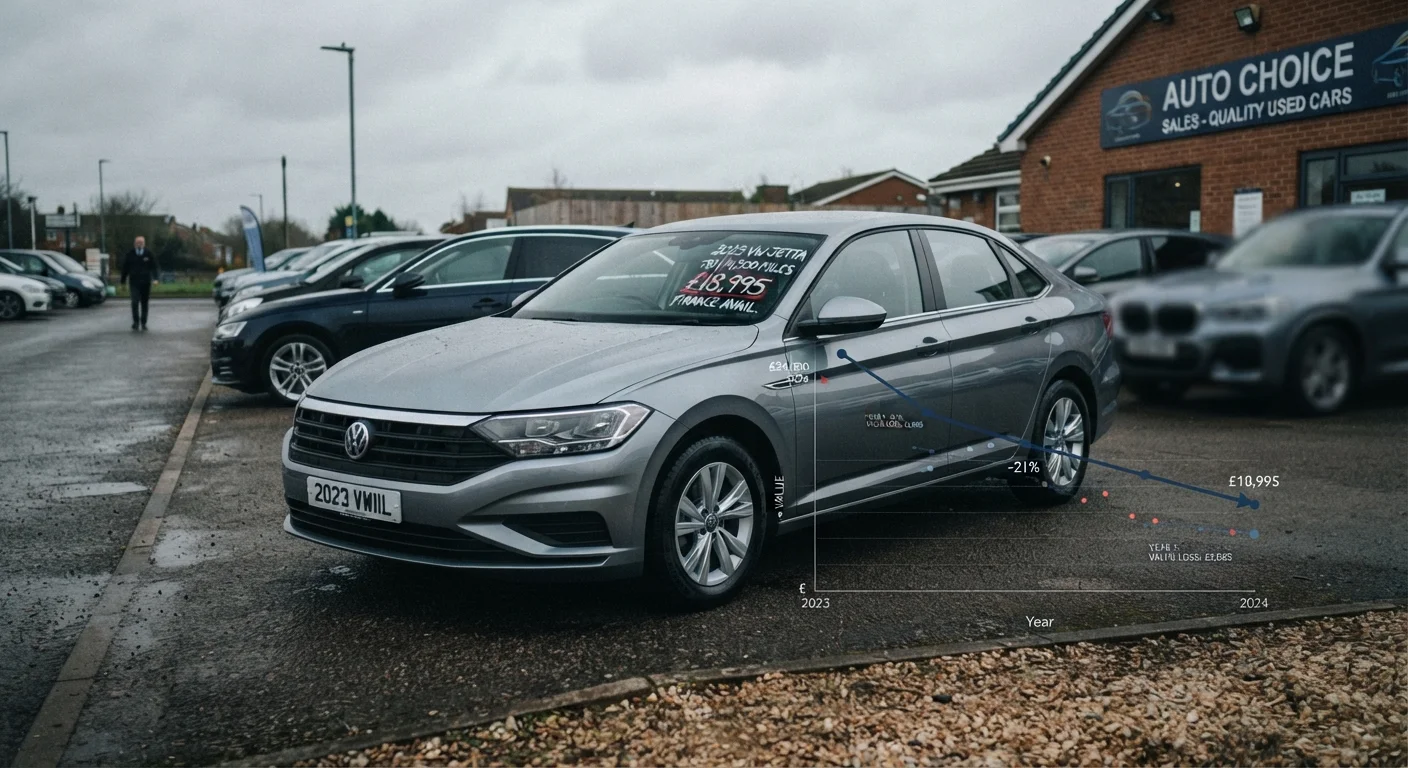
Photo credit: ResultsRover.com | Insights You Can Trust
In this article
Cars lose value the moment they leave the lot. Learn how depreciation works, what speeds it up, and why it matters for your finances.
Key Takeaways
- Most new vehicles lose 15-25% of their value in the first year alone.
- Depreciation is typically a car owner's biggest annual cost, often exceeding insurance and fuel.
- Mileage, condition, brand reputation, and market demand all accelerate or slow depreciation.
- Buying a vehicle that is two to three years old can help avoid the steepest depreciation drop.
- Keeping a car well-maintained and low-mileage helps preserve its resale or trade-in value.
Why Depreciation Is the Cost Nobody Talks About
Most drivers focus on the sticker price, the monthly payment, or the cost of gas. Depreciation rarely makes the list - yet for the first several years of ownership, it quietly outpaces every other expense. Understanding it isn't just an academic exercise; it directly shapes how much you lose (or preserve) every year you own a vehicle.
Depreciation isn't a fee or a charge - it's the natural erosion of your car's market value over time. The moment a new vehicle is registered and driven off the lot, it crosses from "new" to "used," and buyers immediately discount it accordingly. That shift alone can account for several thousand dollars before you've put a single mile on the odometer.
See how depreciation fits into the full picture of ownership costs in our article on the true cost of owning a car.
~20%
Average new car value lost in year one
Industry data consistently shows new vehicles lose roughly 15-25% of their value in the first year, with the average around 20%.
~50%
Typical value remaining after five years
Many new vehicles retain only 40-60% of their original purchase price after five years, depending on make, model, and market conditions.
#1
Depreciation as a cost category for new car owners
Analysts and automotive cost researchers broadly identify depreciation as the largest annual cost of vehicle ownership in the early years of a new car.
How Depreciation Actually Works - Year by Year
Depreciation doesn't fall at a flat rate. The decline is steepest in the first year - typically 15-25% of the purchase price - then it gradually slows. By years four and five, annual depreciation may have moderated to 10-15% of remaining value. By year ten, many vehicles have lost 70-80% of their original worth.
A helpful way to think about it: a $40,000 vehicle might be worth $30,000 after year one, $24,000 after year three, and closer to $16,000-$18,000 by year five - depending on make, mileage, and market conditions. These are general ranges, not guarantees, because every vehicle's trajectory is different.
For a broader look at how costs shift as a car ages, see our guide on car ownership costs across every stage of the vehicle's life.
What Speeds Up - or Slows Down - Depreciation
Several variables determine whether your car depreciates faster or slower than average:
- Mileage: Higher mileage signals more wear and reduces a buyer's expected remaining life from the vehicle. Vehicles with well above-average annual mileage typically depreciate faster.
- Condition: Visible damage, stained interiors, or a poor maintenance record accelerates value loss. A documented service history works in your favor at resale.
- Brand and model reputation: Some brands consistently retain value better than others based on reliability perception and long-term ownership data. Trucks and SUVs often retain value well compared with large sedans in the current market.
- Market demand: Fuel prices, consumer trends, and inventory levels all shift what buyers will pay for a specific model. Rising gas prices, for example, tend to suppress demand for less fuel-efficient vehicles.
- Color and trim: Neutral colors and popular trim levels typically hold value better than niche combinations.
Protect Value With Simple Habits
Keeping records of every oil change, tire rotation, and repair - even minor ones - builds a documented service history that buyers and dealers value at resale. A clean, well-maintained vehicle with paperwork typically commands noticeably more than a comparable car without it.
Keeping your vehicle in good mechanical and cosmetic condition is one of the most controllable factors. Our hub on car maintenance covers the routine steps that protect both your vehicle and its resale value.
Depreciation and Your Financial Decisions
Understanding depreciation changes how you think about buying, selling, and financing a vehicle. If you're considering a new car with a long loan term - 72 or 84 months - be aware that early depreciation can leave you owing more than the car is worth, a situation called being "underwater" or having negative equity. This limits your options if you need to sell or trade in before the loan is paid off.
Buying a two- to three-year-old vehicle lets you avoid the sharpest depreciation drop while still getting a relatively recent model. For more on how trade-in values work once you're ready to sell, see our breakdown of how the trade-in process really works.
When shopping for used vehicles, mileage and condition affect both the price you pay and the depreciation curve ahead of you. Our guide on reading a car listing like an informed buyer can help you decode the details that signal a vehicle's remaining value.
“Depreciation is the silent partner in every car purchase. Most buyers focus on the interest rate or the monthly payment, but the real question is how much value the vehicle will shed each year - because that's money you won't see again.”
— Auto Essentials Editorial Team, Automotive cost and consumer finance analysts
Depreciation is also relevant to your broader financial picture. Vehicles are depreciating assets - unlike a home, they don't build equity. Factoring that into your saving and debt strategy means being honest about what vehicle ownership really costs each year, not just what you pay at the pump or the shop.
Frequently Asked Questions

Author
Auto Essentials Editorial Team
Auto Essentials Editorial Team is the collective byline for our editorial team and contributor network. Articles published under this byline or an editorial pen name are researched, written, and reviewed according to our editorial standards for clarity, consistency, and independence before publication.
View all articles →