
The True Cost of Owning a Car Beyond the Sticker Price
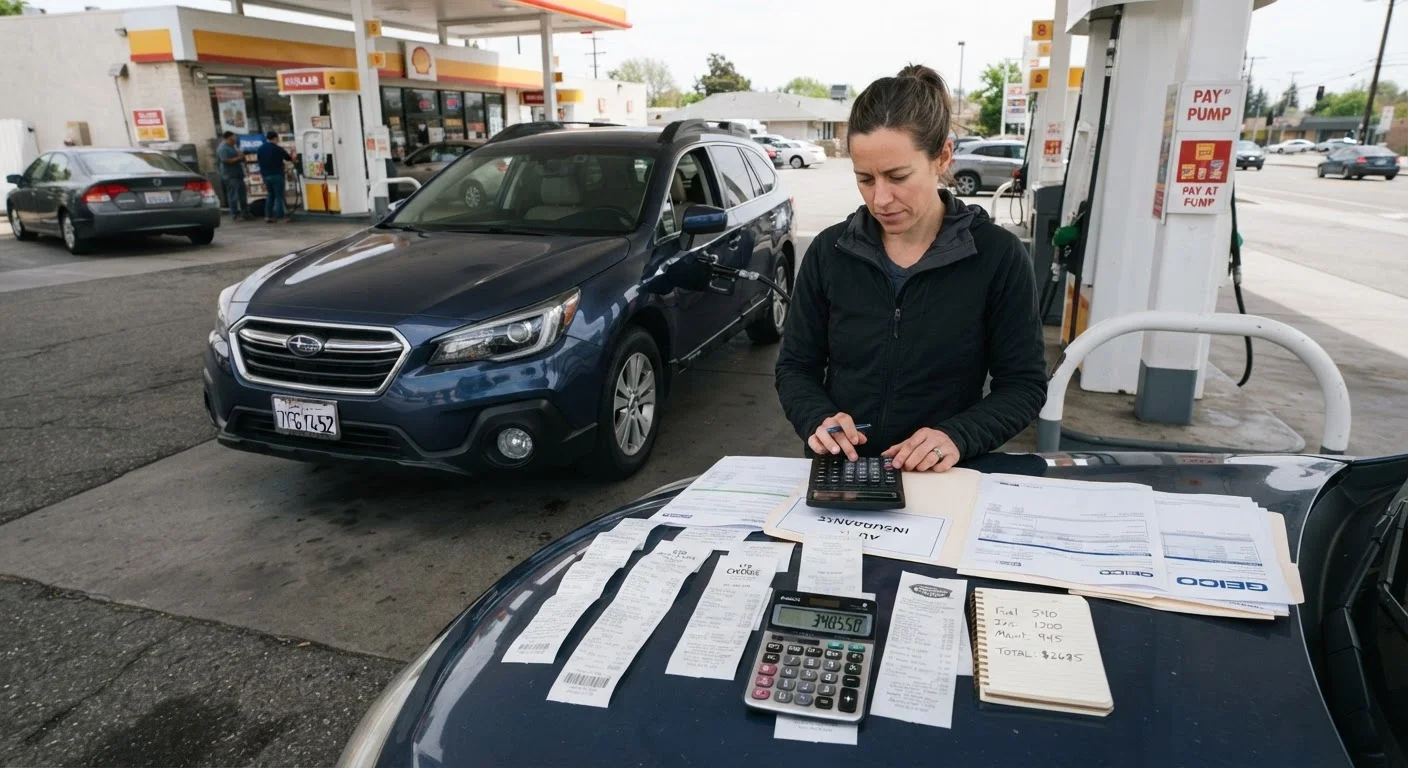
Photo credit: ResultsRover.com | Insights You Can Trust
In this article
Purchase price is just the beginning. Here's every cost category drivers should account for before and after buying a vehicle.
Key Takeaways
- Depreciation is typically the single largest ownership cost, often exceeding fuel and insurance combined.
- Financing charges can add thousands of dollars to the total cost when spread over a multi-year loan.
- Insurance, registration, and taxes are recurring fixed costs that persist regardless of how much you drive.
- Maintenance and repair costs rise significantly as a vehicle ages and accumulates miles.
- Calculating cost per mile helps compare vehicles with different fuel types and price points accurately.
- Budgeting for all cost categories before purchase prevents financial strain after the sale.
Why the Sticker Price Is a Poor Guide
Most buyers walk onto a lot focused on one number: the vehicle's advertised price. That number is real, but it represents only a fraction of what you'll ultimately spend. The gap between sticker price and true ownership cost is where financial surprises live - and for many households, those surprises are significant.
Understanding total ownership cost isn't about discouraging a purchase. It's about making a fully informed one. The goal is to compare vehicles on equal footing and avoid committing to a monthly payment that leaves no room for the other expenses that arrive shortly after you drive away. See how this connects to broader household budget planning for a complete picture of where car costs fit in your finances.
$12,182
Average annual cost to own a new vehicle
According to AAA's 'Your Driving Costs' study, this figure covers depreciation, financing, insurance, fuel, maintenance, and fees for an average new car driven 15,000 miles per year.
49%
Share of ownership cost from depreciation and financing
AAA data consistently shows depreciation and financing charges together account for roughly half of total annual ownership cost for new vehicles.
15,000
Miles per year used in standard cost benchmarks
Industry analysts and organizations like AAA use 15,000 annual miles as the baseline for comparing vehicle ownership costs across categories.
The Major Cost Categories Explained
Depreciation
Depreciation is the loss in a vehicle's market value over time, and it is typically the largest single cost of ownership. New vehicles tend to depreciate most sharply in the first few years. Because depreciation is not a bill you receive in the mail, it's easy to ignore - but it becomes very real when you sell or trade in. Buyers who choose a vehicle with strong resale value, or who purchase used after the steepest depreciation has already occurred, can materially reduce this cost. The cost curve across a vehicle's life explains how depreciation and other expenses shift as mileage climbs.
Financing Charges
Unless you pay cash, you're paying interest. The annual percentage rate (APR) on your loan and the loan term together determine how much extra you pay above the vehicle's purchase price. Longer terms lower monthly payments but increase total interest paid. It's worth calculating the full amount you'll repay, not just evaluating the monthly figure.
Insurance
Auto insurance is a legal requirement in nearly every state, and premiums vary widely based on your driving record, location, vehicle type, coverage level, and other factors. This cost recurs every year regardless of how much you drive. Comprehensive and collision coverage - typically required by lenders - adds to the base liability cost. Premiums should be factored in before finalizing which vehicle to buy.
Fuel
Annual fuel cost depends on how many miles you drive, the vehicle's fuel efficiency rating (miles per gallon or MPGe for electrics), and local fuel prices. A vehicle with a lower purchase price but poor fuel economy can easily cost more to operate than a pricier, more efficient alternative over several years of ownership.
Maintenance and Repairs
Routine maintenance - oil changes, tire rotations, brake service, filters - is unavoidable and accumulates over time. Repairs are less predictable but rise with vehicle age and mileage. New buyers often underestimate these line items because the first year of ownership tends to be the quietest for the service department.
Registration, Taxes, and Fees
State registration fees and annual renewals, sales tax at purchase, and documentation fees at the dealership all add to the real cost. These vary significantly by state. The charges that appear after you agree on a price are worth reviewing before signing anything.
Run the Numbers Before the Test Drive
Before visiting a dealership, estimate annual insurance premiums for the specific vehicle you're considering - many insurers offer online quotes without commitment. Add projected fuel costs based on your actual annual mileage and the vehicle's EPA fuel economy rating. Doing this before you fall in love with a vehicle makes it easier to evaluate the full financial picture objectively.
Using Total Cost to Make Smarter Comparisons
Once you've identified all the cost categories, you can compare vehicles on a cost-per-mile or annual-cost basis rather than purchase price alone. This approach often changes the ranking of what looks affordable. A vehicle priced several thousand dollars higher at purchase may be the lower-cost option over five years if it depreciates slowly, requires less fuel, and carries lower insurance premiums.
If you're weighing whether to buy or lease, the cost structure differs in important ways - leasing and buying carry distinct trade-offs that affect both monthly cash flow and long-term spending. Similarly, how market conditions affect pricing at the time you buy matters: timing your purchase around inventory cycles can influence the starting number in your ownership cost calculation.
For a broader framework on comparing purchases by their full cost over time, the concept of total cost of ownership applies well beyond vehicles. And if you're ready to build these costs into a realistic monthly plan, smart spending strategies can help you allocate for them without derailing other financial goals.
Frequently Asked Questions

Author
Auto Essentials Editorial Team
Auto Essentials Editorial Team is the collective byline for our editorial team and contributor network. Articles published under this byline or an editorial pen name are researched, written, and reviewed according to our editorial standards for clarity, consistency, and independence before publication.
View all articles →