
London for First-Timers: Neighborhoods, Zones, and What to Know Before You Go
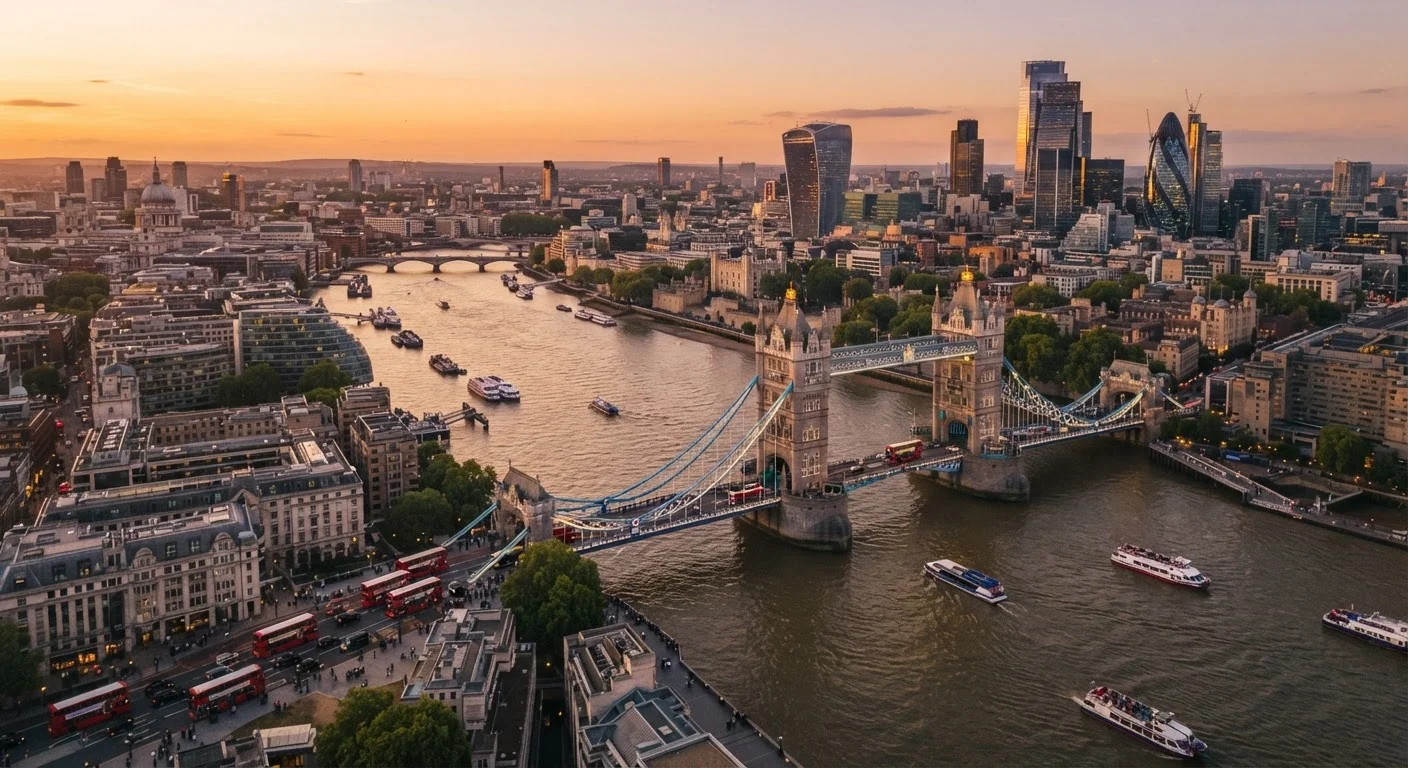
Photo credit: ResultsRover.com | Insights You Can Trust
In this article
London's sheer size trips up many first visitors. Here's a grounded overview of its transit zones, distinct neighborhoods, and key planning considerations.
Key Takeaways
- London spans 32 boroughs — choosing where to stay relative to your priorities matters more than any single tip.
- The Tube's zone system directly affects how much you pay per journey; Zone 1 covers most major attractions.
- Contactless payment cards work on all TfL transit, eliminating the need to buy Oyster cards upfront.
- Neighborhoods have genuinely distinct characters — picking the right base shapes your entire experience.
- US citizens do not need a visa for short visits, but entry rules can change; always verify with official sources before traveling.
Understanding London's Scale
London is often underestimated on paper. At roughly 600 square miles and home to more than 9 million people, it's not a city you wander through in a couple of days. First-timers frequently make the mistake of booking accommodation based on a famous neighborhood name without understanding how far that puts them from everything else they want to see.
The city is organized into 32 boroughs plus the City of London — its ancient financial core. For practical navigation, most visitors only engage with a subset of inner London, but even that compact area rewards some advance planning. Unlike cities where a single central district covers most tourism needs, London's key attractions are spread across genuinely distinct areas, each requiring deliberate routing.
If you're building your trip from the ground up, this first-timer's travel planning guide covers foundational decisions before you lock anything in.
The Tube Zone System Explained
Transport for London (TfL) divides the city into nine concentric fare zones, numbered 1 through 9 from the center outward. Zone 1 is the historic core — it contains Westminster, the City of London, Soho, and most of the landmarks tourists visit first. The farther out your journey, the higher the fare.
Fare Zone
A geographic band used by TfL to calculate transit prices. Zone 1 is central London; zones increase numerically as you move outward.
Oyster Card
A reloadable smart card used to pay for TfL transit — the Tube, buses, Overground, and more. Contactless bank cards now offer the same functionality.
Daily Fare Cap
A maximum amount TfL charges in a single day when using contactless or Oyster. Once you hit the cap, additional journeys within the capped zones are free for the rest of the day.
TfL (Transport for London)
The government body responsible for managing London's public transit network, including the Underground (Tube), buses, Overground, and the Elizabeth line.
The City of London
A small, distinct area within Greater London — roughly one square mile — that serves as the historic financial center. It's separate from the wider city administratively.
Congestion Charge Zone
A central London area where private vehicles are charged a daily fee to drive. It covers most of the inner core and is enforced by automatic number plate recognition cameras.
The practical implication: if you're staying in Zone 3 or beyond to save on accommodation costs, factor in the daily transit spend. Contactless bank cards and Apple/Google Pay are accepted on all TfL services and automatically apply a daily fare cap, so you won't overpay by tapping in and out repeatedly. Oyster cards work the same way and are useful if your card charges high foreign transaction fees.
Beyond the Underground, London also has the Overground (surface rail network), the Elizabeth line (Crossrail), multiple National Rail services, and buses — all covered under a unified TfL fare system. Buses are cash-free; contactless or Oyster only.
Use Contactless to Avoid Queues
Tapping in with a contactless bank card or mobile wallet skips the Oyster machine queue entirely and applies the same daily fare cap automatically. Before relying on this, confirm with your card issuer whether foreign transaction fees apply — some US cards charge per tap.
Key Neighborhoods for First-Timers
Rather than listing every area, here's how the most relevant neighborhoods break down by traveler type:
- Westminster / Victoria: Buckingham Palace, Parliament, Westminster Abbey, and major museums are walkable from here. Convenient but touristy — expect higher accommodation prices.
- South Bank / Southwark: The Tate Modern, Borough Market, Shakespeare's Globe, and Tower Bridge are all within reach. Good transport connections and a range of accommodation options.
- Shoreditch / Hoxton: East London's creative hub — street art, independent restaurants, and a younger crowd. Zone 1/2 boundary; easy access to the City.
- Notting Hill / Bayswater: Quieter, residential feel with good Tube access. Portobello Road Market draws visitors on weekends. Works well for travelers who prefer a calmer base.
- King's Cross / Islington: Excellent transit hub — St. Pancras International (Eurostar terminal), multiple Tube lines converging. Increasingly popular with independent travelers for its mix of access and local character.
For context on how this neighborhood-first approach compares in another major city, see our NYC neighborhood orientation.
Practical Planning Considerations
A few logistics that catch first-timers off guard:
- Airport-to-city transit varies significantly by airport. London has six airports. Heathrow is served by the Piccadilly line and the Elizabeth line; Gatwick by the Gatwick Express (National Rail); Stansted and Luton by coach or rail services that terminate outside the main TfL zone system. Know your arrival airport before assuming a quick Tube ride into the center.
- Congestion Charge Zone: If you're considering renting a car — which most first-timers shouldn't — central London charges vehicles a daily fee to drive within the designated zone. Driving in central London is generally not advisable for visitors unfamiliar with left-hand traffic and narrow historic streets.
- Museum entry is largely free. The British Museum, National Gallery, Victoria & Albert Museum, Natural History Museum, and Science Museum all have free general admission. Budget planning often overlooks this advantage.
- Book popular attractions in advance. The Tower of London, Kew Gardens, and similar ticketed sites can sell out or carry long queues without a reservation.
For a broader pre-arrival checklist applicable to any city, this pre-arrival logistics guide covers what to confirm before you land.
Entry, Currency, and Safety Basics
US citizens generally do not need a visa for short tourist visits to the UK, but entry requirements are subject to change. Always verify current requirements with the UK Government's official website and review the US State Department's travel advisory for the UK before booking.
Always Verify Entry Requirements Before You Book
UK entry rules for US citizens — including any Electronic Travel Authorization (ETA) requirements — can be updated with relatively short notice. Do not rely on third-party summaries, including this article, as a substitute for checking the UK Home Office website and the US State Department's current guidance before purchasing flights or accommodation.
Currency: England uses the British pound sterling (GBP), not the euro. Card acceptance is widespread, but smaller markets, older pubs, and some independent shops may still prefer cash. Withdrawing from a bank ATM on arrival is typically more cost-effective than airport currency exchange counters — check your bank's international fee structure in advance.
London's emergency number is 999 (police, fire, ambulance), not 911. The non-emergency police line is 101. Pharmacies — called chemists — are common throughout the city, with chains open extended hours in central areas.
If you're also considering other international first-timer destinations, our Tokyo fast facts guide walks through a similarly structured pre-trip logistics breakdown for first-time visitors to Japan.
This article is for general informational purposes only. Entry requirements, transit fares, and travel conditions change — always verify details with official government and transport authority sources before you travel.
Frequently Asked Questions

Author
Travel Smart Editorial Team
Travel Smart Editorial Team is the collective byline for our editorial team and contributor network. Articles published under this byline or an editorial pen name are researched, written, and reviewed according to our editorial standards for clarity, consistency, and independence before publication.
View all articles →