
New York City by Neighborhood: A First-Timer's Orientation
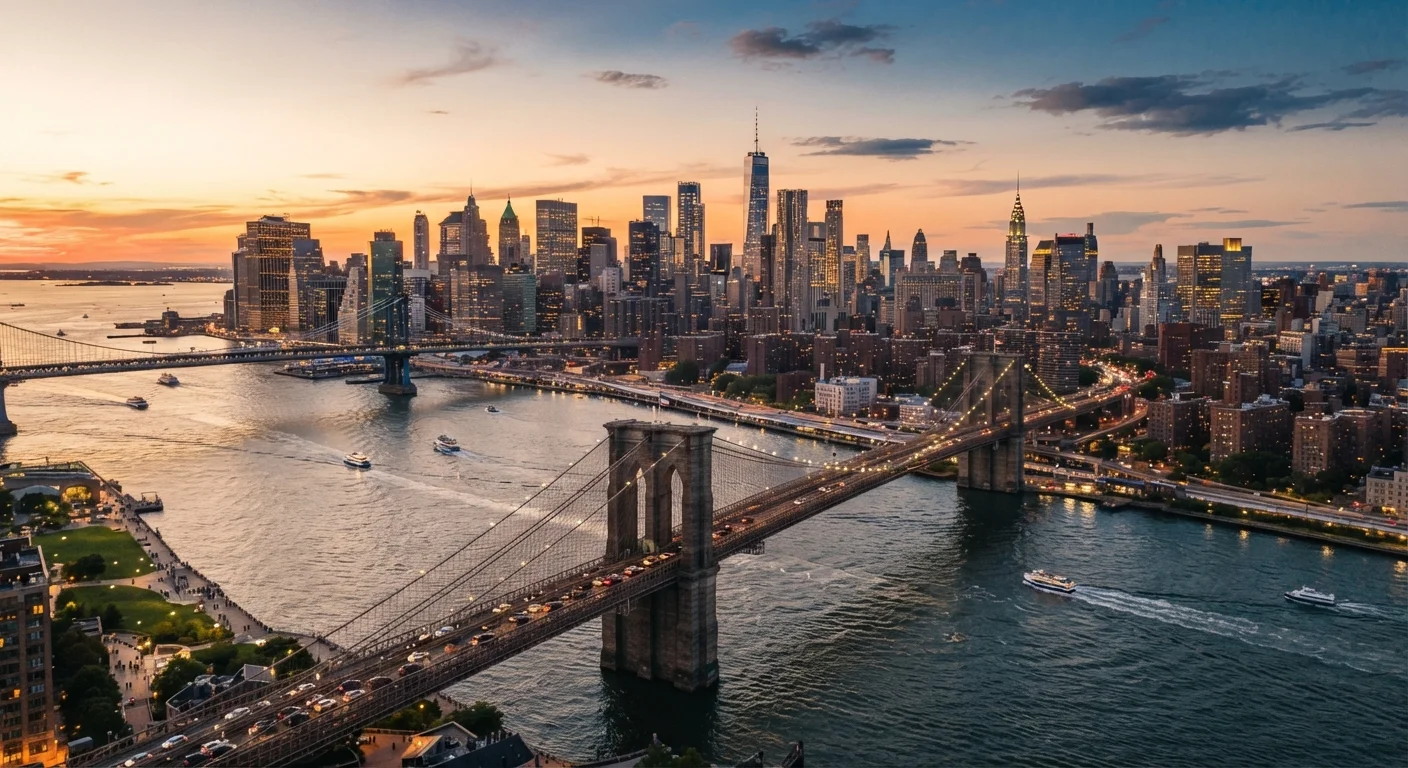
Photo credit: ResultsRover.com | Insights You Can Trust
In this article
Manhattan, Brooklyn, Queens, and beyond — understand how NYC's neighborhoods differ so you can pick where to stay and what to prioritize.
Key Takeaways
- NYC is five boroughs — Manhattan is just one part of the city, not the whole thing.
- Midtown Manhattan is convenient but among the priciest areas to stay in the US.
- Brooklyn offers genuine NYC culture and good subway access at lower accommodation costs.
- Queens is one of the most ethnically diverse urban areas in the world and is worth a day trip.
- The subway connects most visitor destinations; you rarely need taxis for borough-to-borough travel.
- Where you stay shapes your experience — prioritize transit access over a famous address.
How NYC Is Structured (and Why It Matters)
New York City is made up of five boroughs: Manhattan, Brooklyn, Queens, the Bronx, and Staten Island. Each is a distinct city-sized entity with its own character, transit patterns, and visitor value. First-timers often treat Manhattan as synonymous with NYC — understandable, but limiting. Knowing the broader structure helps you make smarter decisions about where to sleep, eat, and spend your time.
Manhattan runs on a numbered street grid (above 14th Street) that makes navigation intuitive. Below 14th Street, the grid gives way to older, irregular streets — the Village, SoHo, Tribeca, and the Financial District all predate the grid plan. Broadway cuts diagonally across the whole island, creating the famous triangular intersections like Times Square and Flatiron.
Borough
One of NYC's five administrative divisions — Manhattan, Brooklyn, Queens, the Bronx, and Staten Island. Each has its own distinct character and infrastructure.
Subway line
NYC's underground (and sometimes elevated) rail network, operated by the MTA. Lines are identified by letters or numbers and are the primary way most visitors move between neighborhoods.
Grid system
Manhattan's numbered street and avenue layout above 14th Street. Street numbers increase heading north; avenue numbers increase heading west. It makes navigation straightforward once you understand the orientation.
OMNY
The MTA's contactless payment system. Tap a credit card, debit card, or smartphone to pay subway and bus fares without needing a MetroCard.
MetroCard
A reloadable card used to pay MTA subway and bus fares. Available at station vending machines; being phased out in favor of OMNY but still widely used.
PATH train
A separate commuter rail system connecting Manhattan to Hoboken and Jersey City in New Jersey. Useful for travelers staying across the Hudson River to save on lodging costs.
For planning purposes, start with this first-timer trip-planning overview before locking in a neighborhood base.
Manhattan: The Iconic Core
Manhattan is where most first-timers spend the majority of their time — and for good reason. It concentrates the landmarks: Central Park, the Metropolitan Museum, the High Line, Times Square, the 9/11 Memorial, and the Statue of Liberty ferry. But Manhattan is not a monolith.
- Midtown (34th–59th St): Maximum convenience, maximum noise and cost. Proximate to major transit hubs, but hotel prices reflect that. Best for visitors who want to walk to Times Square without thinking about it.
- Upper West / Upper East Side: Calmer, residential, well-connected. The UWS borders Central Park and is close to the Museum of Natural History. The UES anchors Museum Mile along Fifth Avenue.
- Greenwich Village / Chelsea / SoHo: Strong food and nightlife scenes, walkable, good subway access. Accommodation costs are high but neighborhoods are more interesting than Midtown for most visitors.
- Lower Manhattan / Financial District: Quieter on weekends, great proximity to the 9/11 Memorial and Brooklyn Bridge. Hotel rates can dip on weekends when business travel drops.
Skip Midtown for Your First Night Out
Times Square and Midtown are worth seeing, but eating and drinking there is generally expensive and crowded. On your first evening, take the subway to the West Village, the Lower East Side, or Williamsburg instead — you'll get a more authentic experience at better value.
Brooklyn: Culture, Space, and Value
Brooklyn is the most visited borough outside Manhattan, and it delivers. The borough is large and diverse — what Williamsburg offers is completely different from what you'll find in Park Slope or Coney Island.
- Williamsburg: Young, creative, packed with restaurants and independent shops. Multiple subway lines (L, J, M, Z) connect to Manhattan in under 15 minutes. A legitimate option for a first-trip home base.
- DUMBO (Down Under the Manhattan Bridge Overpass): Waterfront views of the Manhattan skyline, the Brooklyn Bridge, and good restaurant and arts scene. Slightly quieter than Williamsburg but very walkable to the bridge.
- Park Slope: Residential and leafy, borders Prospect Park. Appeals more to travelers who want a neighborhood feel rather than easy tourist infrastructure.
If your budget is tight, budget travel fundamentals are worth reviewing before booking — Brooklyn often undercuts Manhattan rates by a meaningful margin.
Queens, the Bronx, and Staten Island
Queens is one of the most ethnically diverse urban areas in the world. Jackson Heights, Flushing, and Astoria each offer distinctive food corridors that many NYC food writers rank among the city's best. Long Island City sits just across the East River from Midtown Manhattan — fast subway access and often lower hotel rates make it a practical base. Both JFK and LaGuardia airports are in Queens, which is worth noting when planning arrival logistics.
The Bronx is home to Yankee Stadium and the Bronx Zoo, two major draws that justify a half-day trip on the 4/5 subway line. The Arthur Avenue neighborhood is considered by many to be the most authentic Italian-American food district remaining in the city.
Staten Island is the least-visited borough and requires a ferry crossing. The ferry itself is a worthwhile experience — it offers harbor views of the Statue of Liberty and Lower Manhattan at no cost. The borough suits visitors with extra time but is rarely essential for a short first trip.
Before you arrive, run through the pre-arrival logistics checklist to confirm transit cards, currency access, and other ground-level details.
Airport Transfers Take Longer Than Maps Suggest
JFK is in Queens but can take 60–90 minutes to reach Midtown Manhattan by subway during peak hours. LaGuardia has no direct subway connection and requires a bus transfer or rideshare. Factor realistic travel times into your arrival and departure planning — not just the map distance.
Picking Where to Stay as a First-Timer
The single most important criterion for first-timers: subway access. NYC's transit network is extensive but uneven. A hotel in a neighborhood with two or three nearby lines gives you genuine flexibility. A hotel that looks well-located on a map but sits far from a subway entrance will cost you time and money in rideshares.
General framework for choosing a base:
- Prioritize your itinerary first. If you're spending most days in Midtown museums and Broadway shows, Midtown or the Upper West Side makes sense. If food and neighborhoods are the draw, Brooklyn or Lower Manhattan may serve you better.
- Check transit lines, not just distance. A Brooklyn hotel a few blocks from the L or F train is effectively close to most of Manhattan.
- Understand price tiers. Midtown Manhattan is among the highest-priced lodging markets in the country. Brooklyn and Queens can offer legitimate savings without meaningful convenience trade-offs.
For a wider comparison of how other major cities handle neighborhood orientation, London's borough and zone guide uses a similar framework and is useful reading before your first big-city trip.
Don't Judge a Hotel by Its Address Alone
Some Midtown addresses sit in blocks that feel very different from the glossy marketing photos. A hotel listed as 'Times Square' may be several avenues from the actual square. Always check the specific cross streets and walking distance to the nearest subway entrance before booking.
This article provides general destination information for planning purposes. Prices, transit conditions, and neighborhood characteristics change over time — verify current details through official NYC tourism and MTA sources before traveling.
Frequently Asked Questions

Author
Travel Smart Editorial Team
Travel Smart Editorial Team is the collective byline for our editorial team and contributor network. Articles published under this byline or an editorial pen name are researched, written, and reviewed according to our editorial standards for clarity, consistency, and independence before publication.
View all articles →