
Tokyo Fast Facts: Entry, Transit, Currency, and What Surprises First-Time Visitors
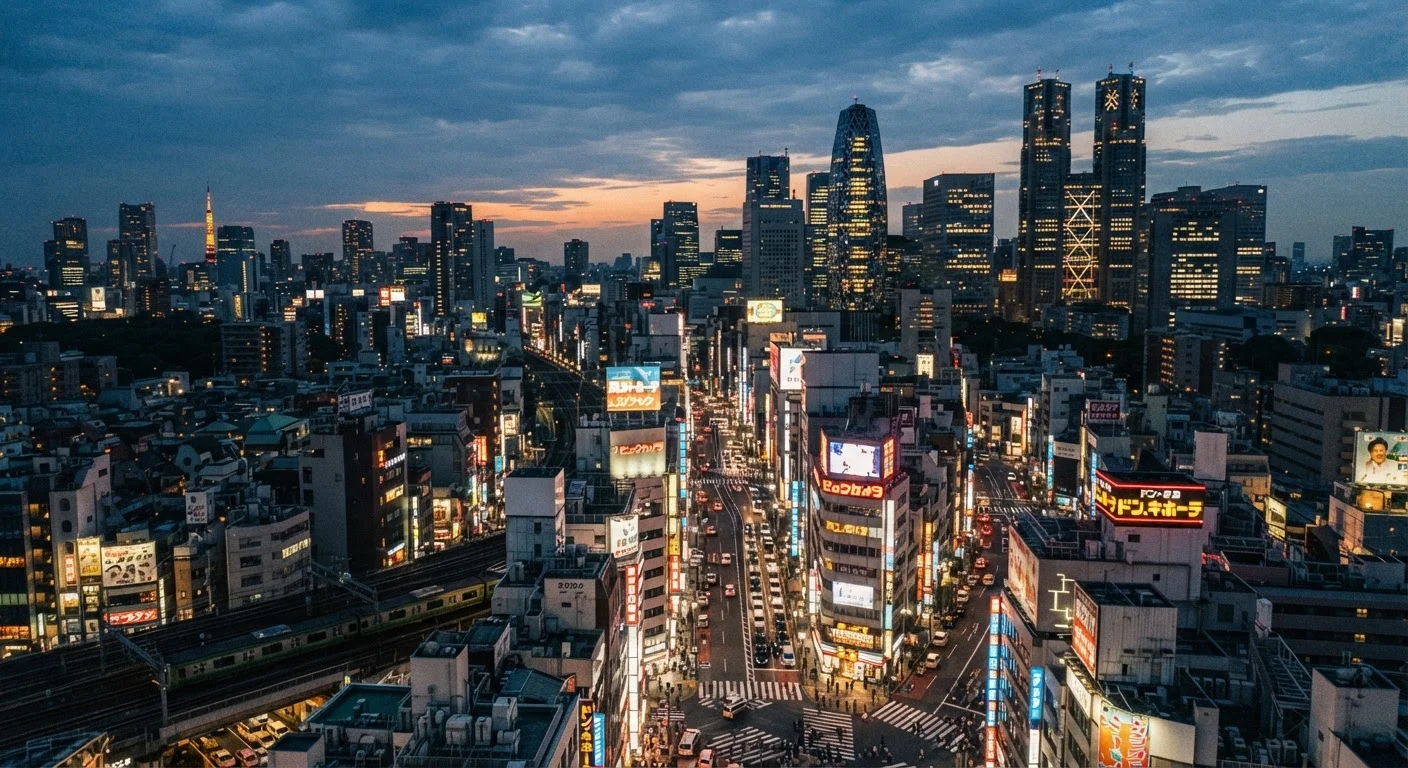
Photo credit: ResultsRover.com | Insights You Can Trust
In this article
Key logistics and cultural context for Tokyo: IC cards, cash norms, tipping etiquette, and what to verify before you fly. Always check official sources.
Entry Basics: What American Travelers Need to Know
As of the most recent publicly available guidance, U.S. citizens traveling to Japan for tourism do not require a visa for stays up to 90 days. However, entry conditions — including any tourist registration requirements, health documentation, or fee programs — can change. Always verify current entry rules through the U.S. Embassy in Japan and Japan's official immigration portal before booking.
Your passport must be valid for the duration of your stay. Japan does not require the common "six months beyond travel dates" rule, but individual airlines may enforce their own validity policies.
Customs rules prohibit or restrict certain medications common in the U.S. Bring a physician's letter and check Japan's Ministry of Health guidelines for any prescription drugs — this step prevents serious delays at the border.
See our pre-arrival logistics checklist for a broader look at what to confirm before any international departure.
Getting Around Tokyo: Transit, IC Cards, and Airport Connections
Tokyo's rail network is one of the densest and most punctual in the world. For everyday navigation, an IC card — such as Suica or Pasmo — is the practical standard. These rechargeable contactless cards work across JR lines, subway systems, most private railways, and even convenience store purchases. You can obtain them at airport kiosks on arrival.
The two main international gateways are Narita International Airport (roughly 35–60 miles from central Tokyo depending on traffic) and Haneda Airport (much closer, about 14 miles from the city center). Express rail options connect both to central stations; Narita Express (N'EX) and Limousine Bus are popular choices from Narita, while Haneda has both monorail and Keikyu line access.
If you plan to travel beyond Tokyo — to Kyoto, Osaka, or other cities — evaluate whether a Japan Rail Pass makes financial sense for your itinerary. It must be purchased outside Japan before departure, and it is not always the economical option depending on how much you travel. Calculate your expected routes before committing.
Common arrival friction points like SIM gaps and transit confusion are easy to prevent — but only if you plan for them in advance.
IC Card
A rechargeable contactless smart card used for transit fares across Tokyo's rail and bus networks. Suica and Pasmo are the two most common types and can also be used for small purchases at convenience stores.
Japan Rail Pass
A fixed-period rail pass covering most JR (Japan Railways) lines nationally, including Shinkansen bullet trains. It must be purchased outside Japan before your trip and is not available for domestic purchase.
Narita Express (N'EX)
A dedicated express train connecting Narita International Airport to major central Tokyo stations, including Shinjuku, Shibuya, and Tokyo Station. Journey time is typically 50–90 minutes.
Seven Bank ATM
ATMs operated by Seven Bank inside 7-Eleven convenience stores across Japan. They are widely considered among the most accessible ATMs for foreign-issued cards, with English-language interfaces.
Currency, Cash, and What Actually Surprises First-Timers
Japan operates heavily on cash. While card acceptance is expanding — especially in major hotels and chain restaurants — many smaller restaurants, temples, local shops, and vending machines are cash-only. Arriving with only a credit card is a common mistake that causes real friction.
The currency is the Japanese yen (JPY). 7-Eleven ATMs (operated by Seven Bank) and Japan Post ATMs are widely regarded as the most reliably accessible for foreign-issued debit and credit cards. Airport ATMs are a practical first stop.
Tipping is not practiced in Japan and can cause genuine awkwardness or confusion. Do not tip at restaurants, taxis, or hotels. Service is considered part of the professional standard — a tip can be perceived as an implication that the worker is underpaid or in need of charity.
13M+
Annual international visitors to Tokyo
Tokyo consistently ranks among the world's most visited cities, according to Euromonitor and JNTO data.
~68%
Of Japanese small businesses cash-only
Industry surveys conducted by the Japan Finance Corporation have found the majority of smaller retailers still operate primarily in cash.
99.9%
JR train on-time rate
Japan Railways consistently reports on-time performance above 99%, measured to within one minute of schedule.
Other common surprises for American visitors: trash cans are scarce on public streets (carry a small bag for your waste), many public restrooms feature high-tech electronic toilets with heated seats and bidet functions, and noise levels on trains are kept very low by informal social convention — phone calls are generally avoided in train cars.
If this is your first international trip on a tighter budget, our budget travel foundations guide covers the planning habits that stretch dollars further abroad.

Author
Travel Smart Editorial Team
Travel Smart Editorial Team is the collective byline for our editorial team and contributor network. Articles published under this byline or an editorial pen name are researched, written, and reviewed according to our editorial standards for clarity, consistency, and independence before publication.
View all articles →