
The Psychology Behind Impulse Purchases — and How Stores Engineer Them
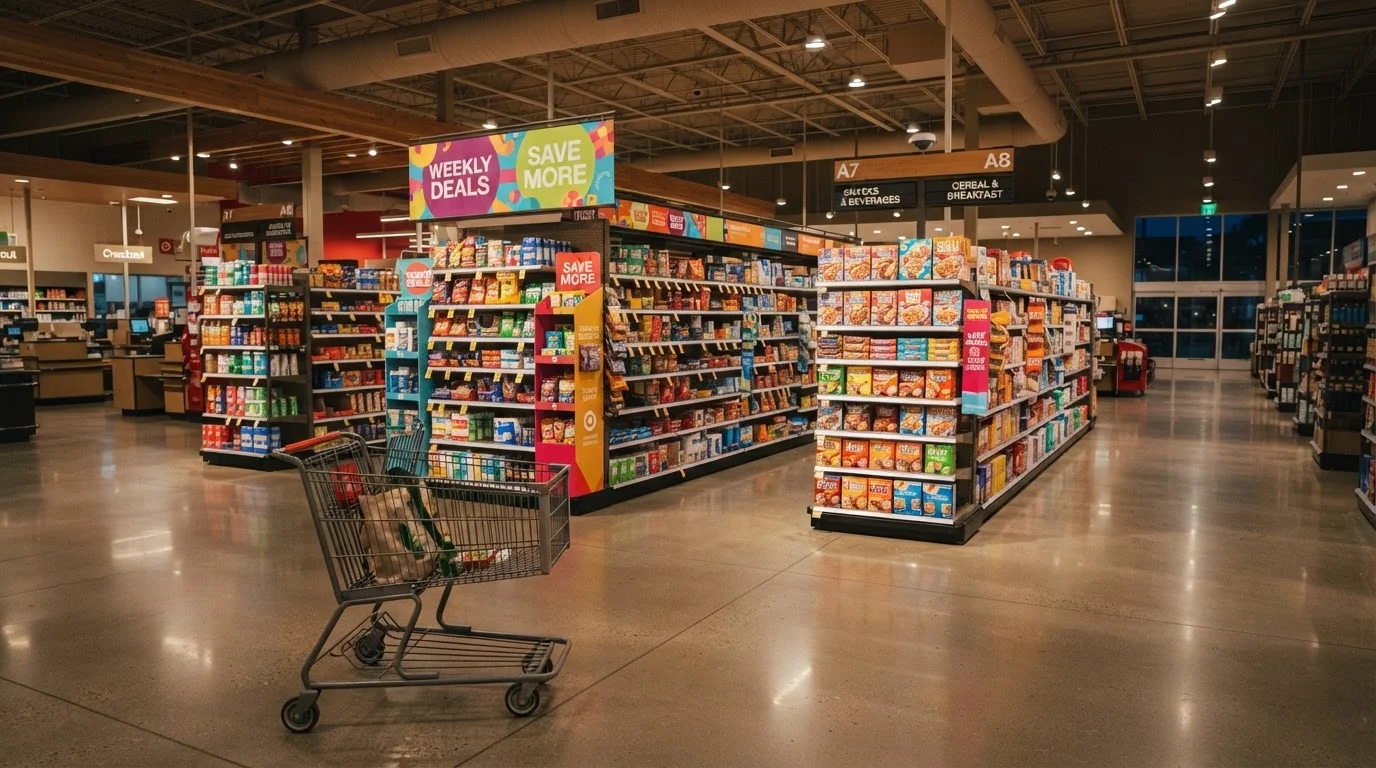
Photo credit: ResultsRover.com | Insights You Can Trust
In this article
Retailers use proven psychological techniques to make you spend more. Understanding them is the first step to shopping on your own terms.
Key Takeaways
- Retailers use store layout, lighting, and product placement to trigger unplanned purchases.
- Scarcity messaging and countdown timers exploit loss aversion, a well-documented cognitive bias.
- Anchoring — showing a high original price next to a sale price — distorts your perception of value.
- A written shopping list is one of the most effective defenses against engineered impulse buying.
- Online retailers replicate physical-store tactics through algorithm-driven recommendations and one-click checkout.
How Stores Are Designed to Override Your Intentions
The moment you walk into a grocery store or open a retail app, you're operating inside a carefully constructed persuasion environment. Store designers — sometimes called "atmospherics" specialists — optimize everything from aisle width to the temperature of lighting to influence how long you linger and what ends up in your cart.
A few well-established tactics worth knowing by name:
- The decompression zone: The area just inside a store entrance is intentionally kept sparse. It slows you down and transitions you from a task-focused mindset into a browsing one before you've even picked up a basket.
- End caps and checkout lanes: Items placed at the end of aisles and beside checkout registers see dramatically higher sales — not because shoppers sought them out, but because placement signals value and grabs attention at decision moments.
- Sensory cues: Scents (fresh bread, coffee), music tempo, and lighting warmth all affect mood and dwell time. Studies in consumer research have consistently linked slower background music with longer shopping trips and higher spend.
None of these elements are neutral. They are tested, measured, and refined. Understanding that the environment itself is working against your list is a useful starting point. For a deeper look at how layout tactics affect grocery spending specifically, see Grocery Spending Habits That Quietly Drain Your Budget.
Use a List as a Pre-Commitment Tool
Write your shopping list before you're in the store or on the app — ideally several hours beforehand. Decisions made outside the retail environment are less susceptible to in-store psychological pressure. Treat the list as a boundary, not a suggestion.
The Cognitive Biases Retailers Rely On
Retailers don't need to trick you — they just need to activate predictable patterns in human thinking. Two biases show up most consistently in retail design:
Anchoring: When you see a price crossed out next to a lower sale price, your brain uses the original figure as a reference point. The sale price feels like a gain even if the "original" price was never realistic. This works because people evaluate value relatively, not in absolute terms.
Loss aversion: People feel the pain of losing something roughly twice as strongly as they feel the pleasure of gaining something of equal value — a finding from decades of behavioral economics research. Retailers exploit this with scarcity language: "Only 2 left," "Offer ends tonight." The fear of missing out can override a rational assessment of whether you actually want or need the item.
These aren't personality flaws — they're cognitive shortcuts that exist in virtually everyone. The practical defense is to slow down the decision. Ask: Would I have sought this item out before I saw it today? If the answer is no, that's useful information. For a detailed breakdown of both biases, How Anchoring and Loss Aversion Shape What You Buy is worth reading alongside this article.
~40%
Share of purchases that are unplanned
Consumer research consistently estimates that roughly 40% of supermarket purchases are unplanned, according to studies cited by the Food Marketing Institute and academic consumer behavior literature.
2x
Loss aversion strength vs. equivalent gain
Behavioral economists, building on Kahneman and Tversky's prospect theory research, estimate people feel losses approximately twice as intensely as equivalent gains — the core mechanism behind urgency-based retail tactics.
$5,400
Estimated annual U.S. impulse spend per household
Surveys conducted by personal finance researchers have placed average annual U.S. impulse spending in the thousands of dollars per household, though figures vary significantly by income and methodology.
Online Retail Uses the Same Playbook — Often More Effectively
Physical stores have spatial limits on what they can do. Online retailers don't. Algorithm-driven product recommendations, one-click checkout, and stored payment credentials all reduce the friction that would otherwise give your deliberate thinking time to engage.
"Customers also bought" and "frequently purchased together" widgets aren't suggestions from a helpful assistant — they're data-optimized prompts designed to increase order value. Similarly, free shipping thresholds are calibrated to nudge you into adding just one more item to qualify, often spending more on the extra item than you'd have paid in shipping.
The tactics that trip up careful shoppers online mirror those in stores: manufactured urgency, social proof indicators ("847 people are viewing this"), and scarcity signals. Shopping Traps That Catch Even Careful Buyers Off Guard covers the full range of these digital tactics in detail.
Coupons Can Amplify Impulse Buying
Promotional offers and coupons don't always save money — they can steer you toward purchases you wouldn't have made otherwise. A coupon for a product you didn't need is a discount on spending you should have avoided entirely. Why Coupon Clipping Habits Can Backfire covers this pattern in full.
Practical Habits That Put You Back in Control
Knowing these tactics exist is the foundation — but specific habits close the gap between awareness and behavior change.
- Shop with a list and treat it as binding. A written list functions as a pre-commitment device: you made the decision when you weren't under environmental pressure, so honor it.
- Apply a waiting period to non-essentials. A 24-hour pause on unplanned purchases above a personal threshold (many people use $20–$30) lets the emotional trigger dissipate. If you still want it tomorrow, the desire is probably genuine.
- Remove stored payment details from retail apps. Friction is your friend. Adding 60 seconds to the checkout process gives System 2 thinking time to ask whether this purchase was planned.
- Avoid shopping when hungry, tired, or emotionally stressed. Impulse buying rates are demonstrably higher in low-resource mental states, when cognitive control is reduced.
Impulse purchases that lead to regret are also worth examining after the fact. Understanding why a purchase felt compelling — and whether it delivered on that feeling — builds pattern recognition over time. Why Buyer's Remorse Happens offers a framework for that reflection.
“The best way to understand consumer behavior is to recognize that people are not irrational — they are responding rationally to the environment that has been built around them. Change the environment, and behavior follows.”
— Richard Thaler, Nobel laureate in economics and co-author of Nudge
Frequently Asked Questions

Author
Smart Shopping Editorial Team
Smart Shopping Editorial Team is the collective byline for our editorial team and contributor network. Articles published under this byline or an editorial pen name are researched, written, and reviewed according to our editorial standards for clarity, consistency, and independence before publication.
View all articles →