
Shopping Traps That Catch Even Careful Buyers Off Guard
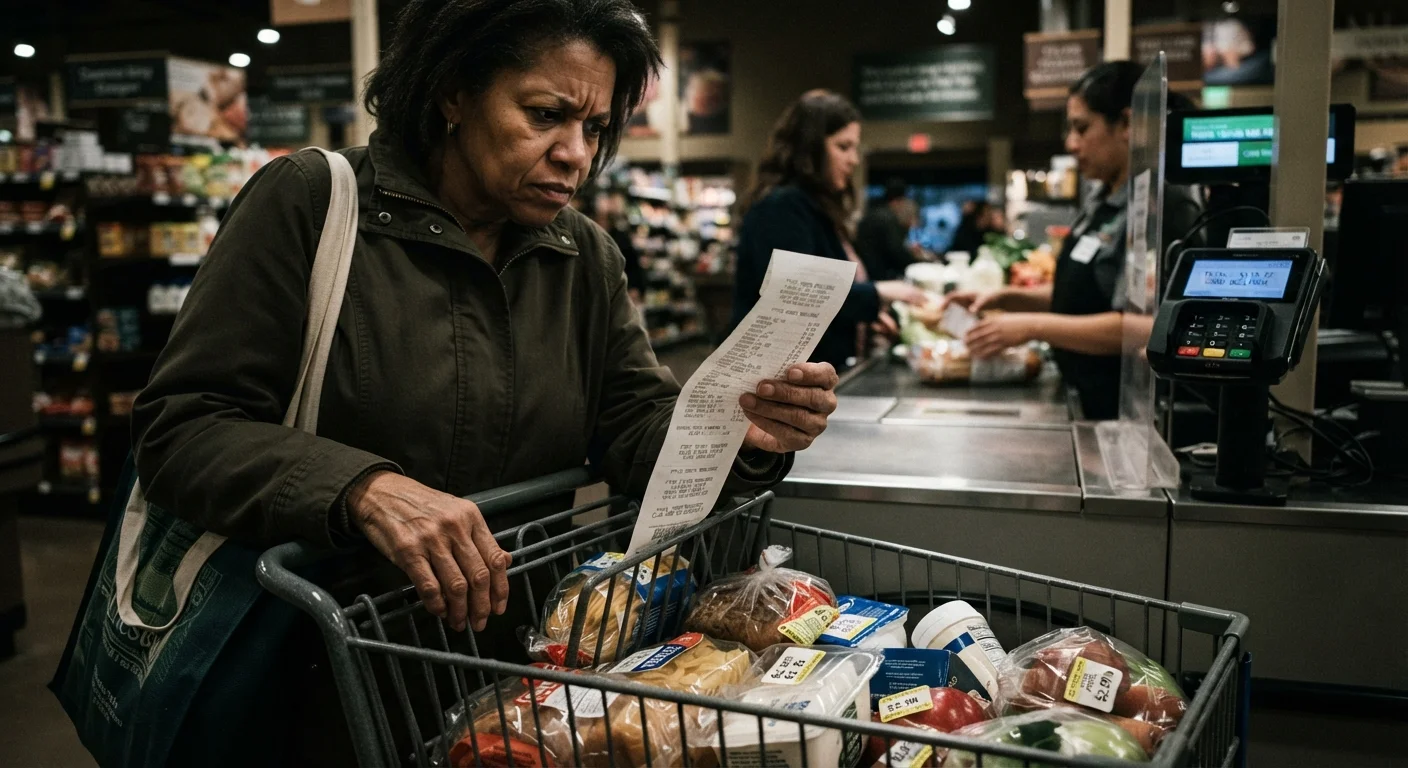
Photo credit: ResultsRover.com | Insights You Can Trust
From drip pricing to bundled add-ons, these tactics are designed to be invisible. Knowing them by name is how you stop falling for them.
Key Takeaways
- Drip pricing hides mandatory fees until checkout, inflating the final cost significantly.
- Pre-checked add-ons and bundles transfer spending decisions from you to the retailer.
- Anchored reference prices create an illusion of savings that may not reflect real value.
- Scarcity and urgency cues are often manufactured, not genuine supply constraints.
- Subscription opt-ins buried in checkout flows cost Americans billions in unwanted recurring charges.
- Recognizing these tactics by name is the most effective first defense against them.
Why Smart Shoppers Still Get Caught
Shopping traps don't rely on fooling careless people — they work precisely because they're designed to slip past the attentive ones. Retailers and online platforms invest heavily in user experience research, and a meaningful portion of that research is about identifying how to present pricing and choices in ways that consistently shift spending upward. The tactics below aren't new, but they've been refined to become nearly invisible.
Understanding them is different from being suspicious of everything you buy. The goal is pattern recognition: once you know the name of a technique, you start seeing it everywhere — and you can pause before it costs you. For a related look at how cognitive biases make these traps stickier, see how anchoring and loss aversion shape what you buy.
Drip Pricing
Drip pricing is the practice of advertising a low base price and then revealing mandatory fees — processing charges, service fees, convenience fees — incrementally as the buyer moves through checkout. By the time the total appears, the shopper has invested time and intent in the purchase, making it psychologically harder to abandon the cart.
This pattern is especially common with ticketing platforms, hotel bookings, and some subscription services. The advertised price is technically accurate; it just isn't the price you'll actually pay. Comparing final checkout totals — not listed prices — across sources is the only reliable counter. See also: where hidden travel fees hide.
The checkout total is the only price that matters — everything before it is marketing.
Pre-Checked Add-Ons and Bundled Extras
Many checkout flows include optional items — insurance, extended warranties, accessories, charitable donations — that arrive pre-selected. The default assumption is that inertia will keep buyers from unchecking them. Research on default effects consistently shows that most people accept defaults, especially when they're framed as protective or beneficial.
The practical fix is methodical: before entering payment information, scroll through every option on the order summary page and actively evaluate each line item. Don't assume that what's selected is what you chose. Retailers are not obligated to make defaults neutral.
Pre-checked boxes shift purchasing decisions from you to whoever designed the checkout page.
Inflated Reference Prices
A product listed at "$120, was $200" uses the original price as an anchor — a cognitive reference point that makes the current price feel like a win. The problem is that reference prices are not always independently verifiable and are sometimes set artificially high specifically to create this effect.
Before accepting a discount at face value, consider whether you can find credible third-party pricing history for the item. Some browser tools track historical price data, which makes it easier to evaluate whether a "sale" price is genuinely lower than the item's typical market price. For a deeper examination of this, see the anatomy of a real discount.
A crossed-out price is a claim, not a fact — verify it before treating it as savings.
Manufactured Scarcity and Urgency
"Only 3 left in stock." "Offer expires in 14:32." These cues trigger loss aversion — the psychological discomfort of potentially missing out — and they work even when buyers know they're being pressured. The problem is that scarcity signals are frequently generated dynamically and don't reflect actual inventory constraints.
A useful discipline: treat every countdown timer as decorative. If an item is genuinely right for you at the listed price, it remains right for you after a 24-hour waiting period. If the urgency disappears on reflection, the urgency was doing the work — not the product.
If a deal only makes sense under time pressure, the pressure is doing more work than the deal.
Buried Subscription Opt-Ins
Some purchases include a subscription enrollment — a loyalty program, a content service, a replenishment plan — disclosed in fine print during checkout or in a post-purchase confirmation email. These often come with a free trial period, after which recurring billing begins automatically. Because the charge is small and comes weeks later, many buyers don't connect it to the original purchase.
Before completing any transaction, search the order confirmation for the words "subscription," "membership," "auto-renew," and "recurring." If you don't intend to subscribe, locate the cancellation path before the trial ends — not after the first charge. The subscription creep guide outlines how to audit charges you may have already forgotten.
The most expensive subscriptions are the ones you didn't realize you'd signed up for.
Misleading Review Signals
Aggregate star ratings are one of the most-used purchase signals — and one of the most easily gamed. Practices including incentivized reviews, review gating (soliciting feedback only from satisfied customers), and outright fake reviews can make a mediocre product look highly rated. A product with 4.7 stars across 12,000 reviews may or may not reflect genuine user experience.
More useful signals: the distribution of ratings (not just the average), the content and specificity of critical reviews, and whether reviews mention consistent failure patterns across different users. How to evaluate online reviews without being misled walks through a practical framework for this.
A high star rating tells you what reviewers reported — not necessarily what you'll experience.
Building a Habit of Deliberate Buying
These tactics compound each other. A retailer might use an anchored reference price to make a bundle look attractive, then add urgency language to suppress hesitation, then bury a subscription opt-in at checkout confirmation. Individually each nudge is minor; together they can substantially change what you spend.
Use a One-Day Rule for Non-Urgent Purchases
For any non-essential purchase above your personal threshold — say, $50 — wait 24 hours before completing the transaction. This window collapses the effect of urgency cues and pre-selected defaults, because you return to the checkout with fresh eyes and a clear intention. It also gives you time to compare final checkout totals across at least one alternative source.
The most durable protection is slowing down the final moments of any purchase. Review itemized totals line by line. Uncheck pre-selected options before entering payment. Search for the item at a second source before completing checkout. None of this requires special tools — just the discipline to treat the checkout page as a contract, not a formality.
For more on the psychological architecture behind these experiences, see the psychology behind impulse purchases. And if recurring charges are already a concern, subscription creep is worth auditing sooner rather than later.
This article is for general informational purposes only and does not constitute financial or legal advice. Specific retailer practices vary; readers should review all purchase terms carefully before completing a transaction.

Author
Smart Shopping Editorial Team
Smart Shopping Editorial Team is the collective byline for our editorial team and contributor network. Articles published under this byline or an editorial pen name are researched, written, and reviewed according to our editorial standards for clarity, consistency, and independence before publication.
View all articles →