
The Paper Trail That Saves Your Return: Receipts, Packaging, and Proof of Purchase
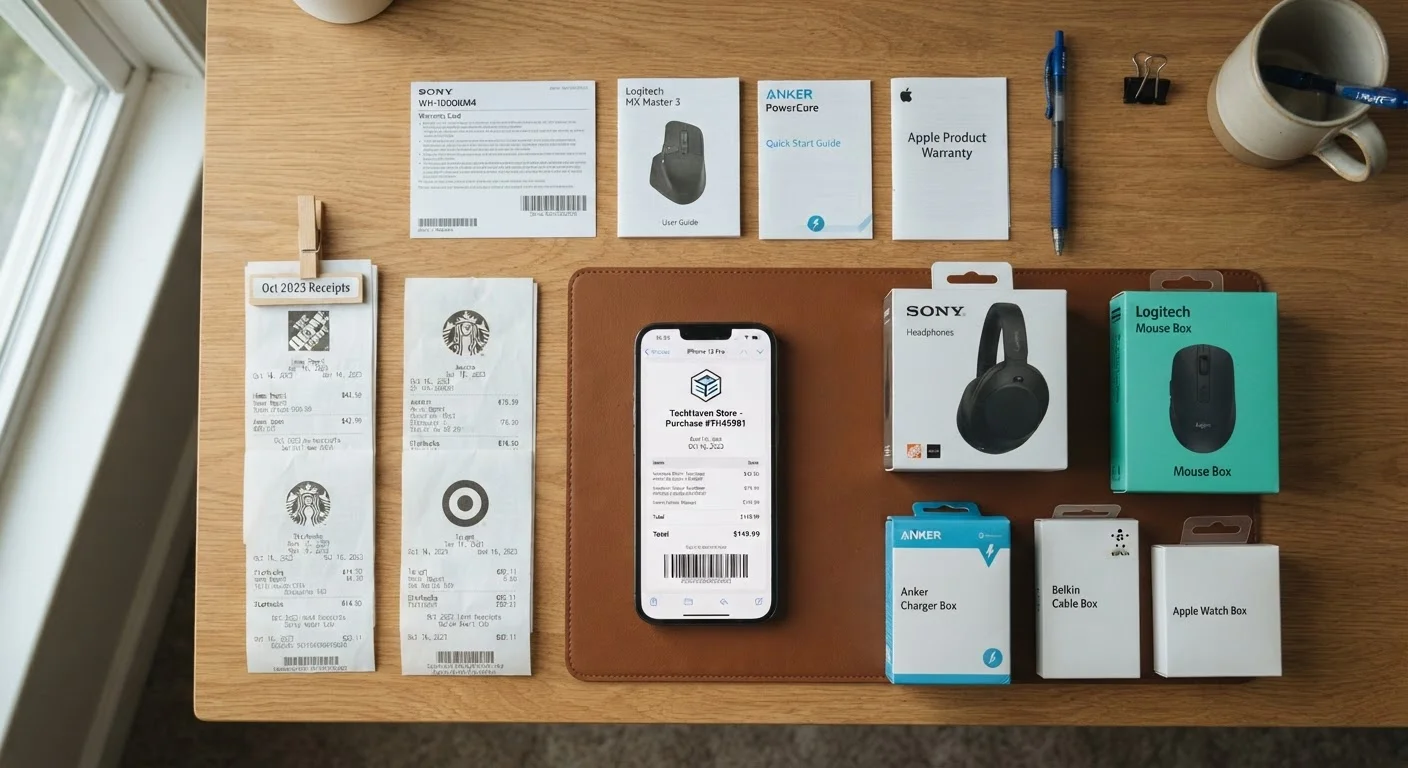
Photo credit: ResultsRover.com | Insights You Can Trust
In this article
Discover which documents and materials you need to hold onto after a purchase to ensure a smooth return or warranty claim.
Key Takeaways
- Retailers can deny returns without proof of purchase, even for defective items.
- Original packaging is required by many stores for a full refund — not just the product itself.
- Digital receipts and photos of packaging can serve as valid backup proof in most cases.
- Warranty registration often requires the original purchase date and seller information.
- A simple filing system — physical or digital — can prevent costly documentation gaps.
Why Your Paper Trail Matters More Than You Think
Most consumers assume a return is straightforward: bring the item back, get a refund. In practice, what determines success is often not the product itself but the documentation you bring with it. Retailers and manufacturers set their own rules about what constitutes acceptable proof of purchase, and those rules vary widely. Without the right paper trail, you may walk away empty-handed — even when you have a legitimate claim.
The same holds true for warranty claims. Manufacturers typically require a purchase date, a seller name, and sometimes a product registration on file before they'll honor a repair or replacement. Missing any of those pieces can push your claim into a gray zone where the burden of proof falls entirely on you.
This checklist covers what to collect, how to store it, and how long to keep it — so you're covered whether a product fails in week one or year three. For a broader look at how return policies, warranties, and guarantees interact, see our guide to what each protection actually covers.
Return Windows Are Shorter Than You Remember
Many retailers enforce return windows of 15 to 30 days, and some categories — electronics, opened software, mattresses — have even tighter limits or are non-returnable once opened. Don't assume you have time to gather your documents later. Start your paper trail the day of purchase, not the day something goes wrong.
What to Gather Right After Every Purchase
The window right after a purchase — before packaging gets recycled or emails get buried — is when your documentation habits pay off most. Use the checklist below as a post-purchase audit you can run in under 10 minutes.
Receipts and Proof of Purchase
Packaging and Physical Materials
Warranty and Registration Documents
Storage and Retention Habits
Need help with the next step after you've gathered everything? Our practical walkthrough for filing a warranty claim covers exactly what to do when something goes wrong.
Tools That Make Documentation Easier
You don't need a filing cabinet to stay organized. A consistent, low-effort system — even a single labeled folder on your phone — is enough to protect most purchases. The tools below range from essential to genuinely useful.
Smartphone Camera
Photographs receipts, serial numbers, packaging labels, and item condition before first use as timestamped visual proof.
Cloud Storage Service
Stores digital copies of receipts and warranty documents so they remain accessible across devices and aren't lost with a phone or hard drive.
Dedicated Email Folder
Keeps all purchase confirmation emails organized and searchable without relying on memory or inbox search.
Spreadsheet or Notes App
Records key product details — model number, serial number, purchase date, warranty expiration — in one easy-to-search reference.
Physical Accordion Folder
Stores paper receipts, warranty cards, and packaging inserts by category or purchase date for households that prefer a non-digital system.
This documentation habit is one part of a larger set of post-purchase protections worth building. Our guide to protecting every major purchase covers complementary steps like warranty registration and credit card purchase protection.
Missing a Serial Number Can Void Your Claim
Manufacturers frequently require a verifiable serial number to process a warranty claim. If the sticker has been removed, the number is scratched off, or you discarded the box before recording it, the manufacturer may decline your claim outright. Check for the serial number on both the product and its packaging immediately after purchase and record it somewhere you can find it without the box.
For a consolidated reference on your rights as a U.S. consumer — including what happens when a retailer or manufacturer disputes your claim — see Returns, Warranties, and Consumer Rights: The Full Picture.

Author
Smart Shopping Editorial Team
Smart Shopping Editorial Team is the collective byline for our editorial team and contributor network. Articles published under this byline or an editorial pen name are researched, written, and reviewed according to our editorial standards for clarity, consistency, and independence before publication.
View all articles →