
Why Pets Skip Vet Visits — and What Gets Missed Because of It
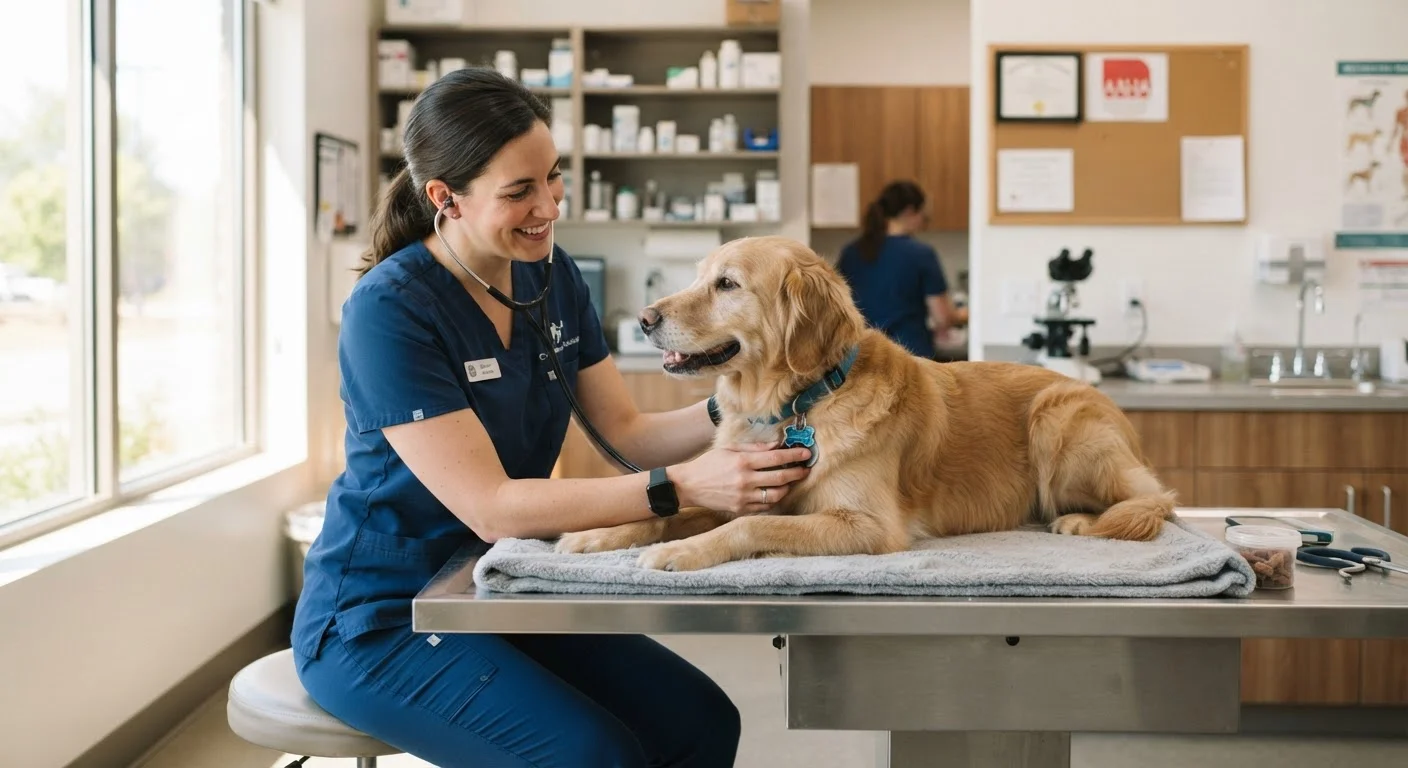
Photo credit: ResultsRover.com | Insights You Can Trust
In this article
Cost, stress, and 'they seem fine' are the most common reasons owners skip checkups. Here's what vets catch during routine visits that owners often can't.
Key Takeaways
- Pets instinctively hide illness, making routine exams essential for early detection.
- Cost concerns and low perceived urgency are the top reasons owners delay vet visits.
- Vets detect dental disease, weight changes, and organ issues before symptoms appear.
- Skipping annual exams often leads to costlier, more complex treatment down the line.
- Many conditions caught early respond significantly better to treatment than advanced disease.
The Gap Between 'They Seem Fine' and 'They Actually Are'
Dogs and cats are wired to conceal discomfort. In the wild, showing weakness attracts predators — so domesticated pets carry that same instinct. By the time an owner notices something is off, a condition may have been developing silently for weeks or months. This is the fundamental problem with waiting until a pet "seems sick" before scheduling a vet visit.
Routine wellness exams are specifically designed to close that gap. A veterinarian's physical exam, combined with baseline bloodwork and weight tracking over time, can surface issues that no amount of attentive home observation will catch. Understanding why owners skip these visits — and what gets missed as a result — is the first step toward making preventive care a consistent habit. For a detailed look at what actually happens during a checkup, see what your pet's annual wellness exam actually covers.
~70%
Pets with dental disease by age 3
Veterinary dental health organizations estimate that the majority of dogs and cats show signs of periodontal disease by their third year, typically without obvious owner-detectable symptoms.
1 in 3
Pets diagnosed with cancer in their lifetime
According to the American Veterinary Medical Association, cancer is among the most common causes of death in older pets, underscoring the value of routine monitoring for early detection.
Common Mistakes That Lead to Skipped Vet Visits
These are the most frequent missteps owners make — not out of neglect, but out of understandable assumptions that turn out to be costly.
Assuming a visibly healthy pet doesn't need a checkup.
Why it happens: Owners rely on behavioral cues — eating, playing, energy level — to gauge health. Since pets mask pain and illness instinctively, these cues are often misleading until disease is advanced.
Delaying care because the out-of-pocket cost feels prohibitive.
Why it happens: Unexpected vet bills can be genuinely stressful, and when a pet appears healthy, preventive spending feels hard to justify. Owners often don't realize that early detection is typically far less expensive than treating advanced disease.
Skipping the vet because the pet finds the experience stressful.
Why it happens: Car rides, unfamiliar smells, and handling can cause anxiety in many pets. Owners who watch their dog or cat become distressed often feel that the visit does more harm than good.
Believing that vaccine-only visits are sufficient preventive care.
Why it happens: Owners sometimes equate vaccinations with a complete health check. If a pet is current on shots, the reasoning goes, there's nothing else to address.
Waiting for a specific symptom before making an appointment.
Why it happens: Without an obvious trigger — limping, vomiting, visible injury — many owners don't feel they have a concrete reason to call the vet. The idea of a "well visit" feels less urgent than a sick visit.
What Vets Find That Owners Miss
Even attentive, caring owners have real limitations in what they can detect at home. Veterinarians are trained to evaluate dozens of subtle indicators during a single exam: lymph node size, heart murmurs, early joint stiffness, abnormal lung sounds, and changes in muscle mass that don't register to the untrained eye.
Dental disease is one of the most consistently overlooked conditions. Estimates from veterinary dental organizations suggest the majority of dogs and cats over age three have some degree of periodontal disease — yet most owners report no obvious symptoms. Bad breath is often the only early sign, and many owners attribute it to diet. Left untreated, dental disease can affect the heart, kidneys, and liver. Our related guide on why pets need dental care and what skipping it costs covers this in depth.
Weight trends matter enormously, too. A half-pound loss in a ten-pound cat represents a five percent body weight change — clinically significant, but easy to miss at home. Vets track these trends visit over visit. Similarly, litter box avoidance is a behavioral change that often signals an underlying medical issue a vet can diagnose.
Senior Pets Need More Frequent Exams
Dogs and cats age much faster than humans, and health changes can occur rapidly in their senior years. Most veterinarians recommend twice-yearly exams for pets over age seven. Conditions like kidney disease, hyperthyroidism in cats, and arthritis are far more manageable when caught early through regular monitoring rather than reactive care.
To understand how visit frequency should shift as your pet ages, the guide on annual vs. as-needed vet visits breaks down what preventive care looks like at every life stage.
This article is for general informational purposes only and is not a substitute for professional veterinary advice. Always consult a licensed veterinarian for guidance specific to your pet's health needs.

Author
Pets & Animals Editorial Team
Pets & Animals Editorial Team is the collective byline for our editorial team and contributor network. Articles published under this byline or an editorial pen name are researched, written, and reviewed according to our editorial standards for clarity, consistency, and independence before publication.
View all articles →