
What Your Pet's Annual Wellness Exam Actually Covers
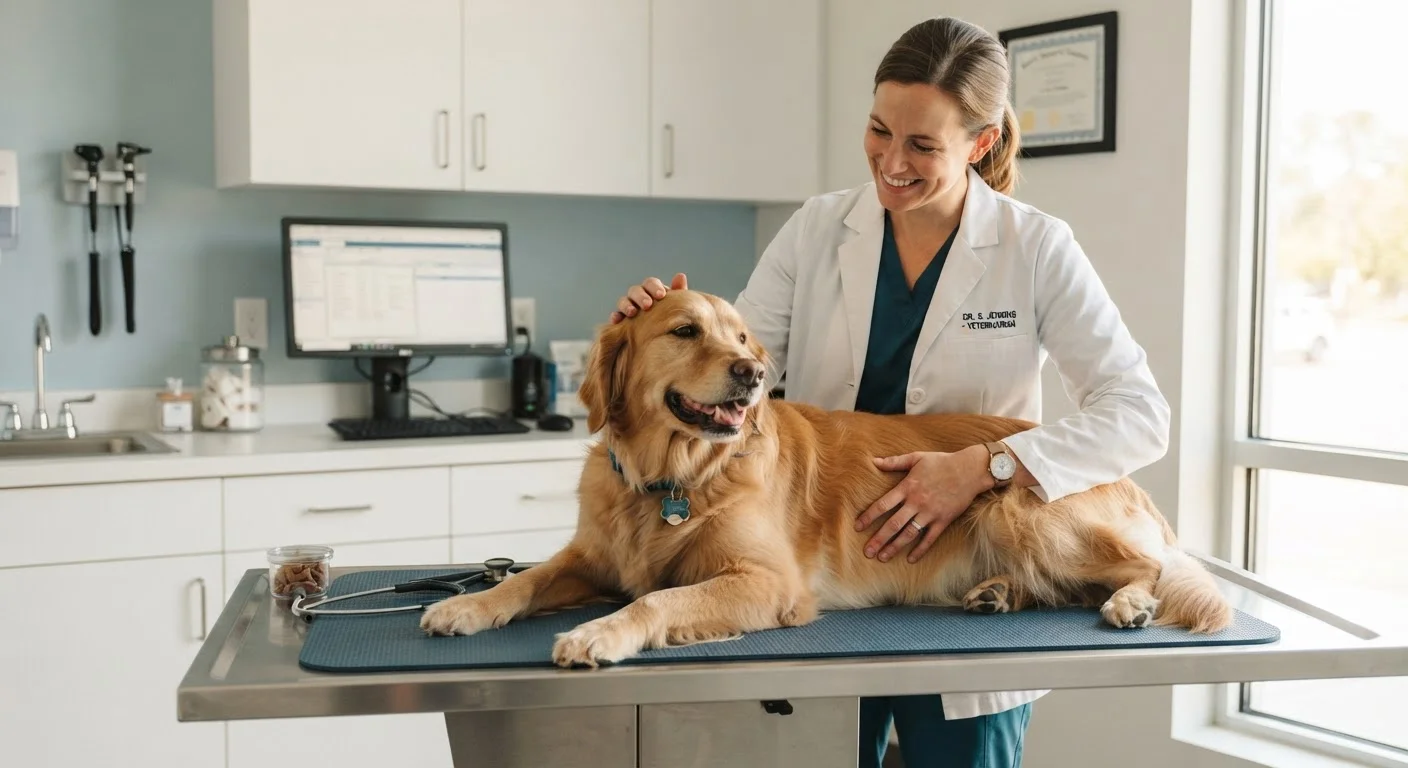
Photo credit: ResultsRover.com | Insights You Can Trust
In this article
A vet visit is more than a quick checkup. Here's what happens during a routine wellness exam and why each step matters for your pet's long-term health.
Key Takeaways
- A wellness exam covers far more than vaccines — it's a full physical evaluation of your pet's body systems.
- Early detection of conditions like dental disease, obesity, or organ changes can reduce long-term treatment costs.
- Your vet uses exam findings to build a health baseline, making future changes easier to spot.
- Puppies, kittens, and senior pets typically need more frequent wellness visits than healthy adult animals.
- Bringing a list of behavioral or dietary changes helps your vet get the most accurate picture of your pet's health.
More Than a Quick Once-Over
Many pet owners think of the annual vet visit as a shot appointment. In reality, vaccinations are just one small piece of what happens during a routine wellness exam. A thorough checkup walks through nearly every body system your pet has — and generates a health snapshot your vet can compare year over year.
Understanding what each part of the exam covers helps you ask better questions, catch concerns earlier, and make the most of the time you have in the exam room. Think of it the way you'd think of an annual vehicle inspection: a structured review designed to find small issues before they become costly ones.
The Pet Care Basics hub covers everyday routines, but the wellness exam is where a trained professional evaluates what you can't see at home.
The Physical Exam: What Vets Are Actually Checking
The hands-on portion of the exam follows a consistent pattern, moving from nose to tail. Here's what each step involves:
- Weight and body condition score: Vets assess whether your pet is at a healthy weight using a standardized body condition scale — not just the number on the scale. Obesity is one of the most common preventable health issues in pets.
- Eyes, ears, and nose: The vet looks for discharge, cloudiness, redness, ear odor, or structural changes that may signal infection, allergies, or early disease.
- Mouth and teeth: Dental disease affects the majority of pets by age three. Vets grade tartar buildup, gum inflammation, and tooth integrity — issues that rarely cause obvious pain signals at home.
- Skin and coat: Lumps, hair thinning, flaking, or abnormal texture can point to allergies, hormonal imbalances, or external parasites.
- Heart and lungs: A stethoscope listen checks heart rate, rhythm, and breathing sounds. Murmurs or abnormal lung sounds often surface here before any symptoms appear.
- Abdomen: Gentle palpation checks organ size, fluid accumulation, and tenderness — useful for flagging kidney, liver, or intestinal changes.
- Lymph nodes and musculoskeletal system: Swollen nodes or joint stiffness can be early indicators of immune, infectious, or orthopedic concerns.
80%
Pets with dental disease by age 3
According to the American Veterinary Medical Association, the majority of dogs and cats show signs of dental disease by their third birthday — most without obvious symptoms.
56%
US dogs and cats classified as overweight
The Association for Pet Obesity Prevention has consistently found that more than half of American pets are overweight or obese, a condition most often identified during routine wellness exams.
1 in 3
Pets with a significant health finding at wellness visits
Veterinary industry data suggests that a meaningful proportion of pets presenting for routine checkups are found to have a previously undetected health issue.
Parasite Screening, Vaccines, and Lab Work
Beyond the physical exam, most annual wellness visits include a fecal parasite test to check for intestinal worms — even in pets that appear completely healthy. Parasite prevention is an area many owners underestimate. Year-round parasite prevention requires knowing what your pet is currently carrying, not just what they've been protected against.
Vaccines are administered based on your pet's age, lifestyle, and local disease risk — not on a one-size-fits-all schedule. Your vet may also recommend bloodwork, especially for pets over seven, those on long-term medications, or animals that haven't had recent baseline labs. These panels can reveal kidney function changes, thyroid shifts, or blood sugar irregularities before clinical signs develop.
Prepare Before You Walk In
Write down any behavioral, appetite, or mobility changes you've noticed in the past year — even small ones. Bring a fresh fecal sample, current medications, and vaccination records if your pet is new to the practice. A prepared owner helps the vet build a more complete picture in the time available.
Making the Exam Work for You
The wellness visit is also your best opportunity to raise concerns you've noticed at home. Behavioral shifts, appetite changes, increased thirst, or reluctance to jump are all worth mentioning — even if they seem minor. For a guide on what rises to the level of a vet call, see symptoms that warrant a vet call.
How often your pet needs a wellness exam depends on their life stage. Puppies and kittens need several visits in their first year; healthy adult pets typically see the vet annually; senior animals benefit from biannual checkups. Understanding your pet's preventive care schedule can help you plan the right visit frequency for your animal's age and health status.
This article is for general informational purposes only and is not a substitute for professional veterinary advice. Always consult a licensed veterinarian for guidance specific to your pet's health.
Frequently Asked Questions

Author
Pets & Animals Editorial Team
Pets & Animals Editorial Team is the collective byline for our editorial team and contributor network. Articles published under this byline or an editorial pen name are researched, written, and reviewed according to our editorial standards for clarity, consistency, and independence before publication.
View all articles →