
Pet Insurance vs. a Dedicated Savings Fund: Understanding the Trade-Offs
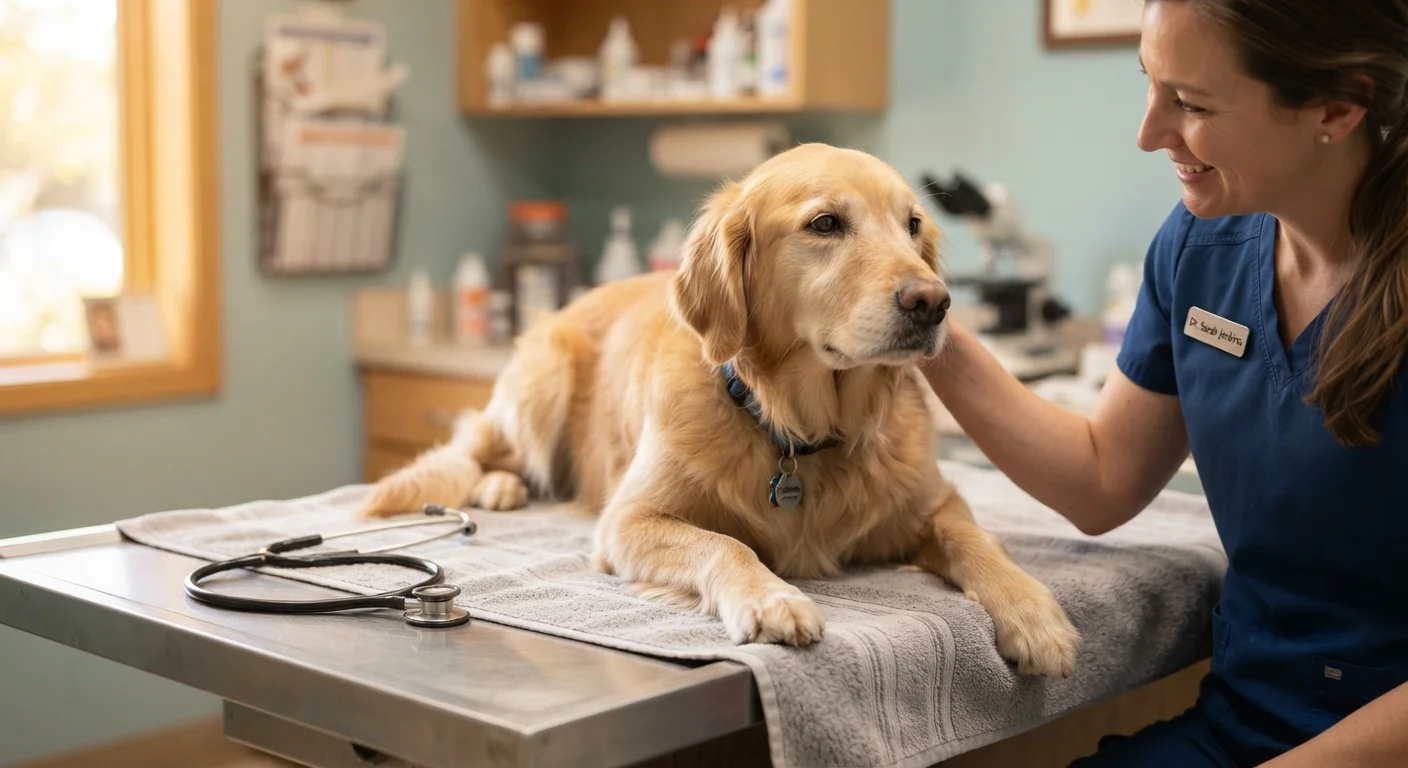
Photo credit: ResultsRover.com | Insights You Can Trust
In this article
Pet insurance and self-funding veterinary costs each have real advantages and limits. A clear look at how the two approaches differ for everyday pet owners.
Key Takeaways
- Pet insurance shifts financial risk to an insurer but requires consistent monthly premiums regardless of use.
- A dedicated savings fund gives full control but may not cover a large, sudden emergency early on.
- Your pet's breed, age, and health history are the most important factors in evaluating either approach.
- Many pet owners combine both strategies — insurance for catastrophic costs, savings for routine care.
- Reading policy exclusions carefully is essential before committing to any pet insurance plan.
Covers large, unexpected veterinary bills
Insurance can reimburse a substantial portion of emergency or specialist care costs that would otherwise require thousands of dollars out of pocket.
Predictable monthly expense for budgeting
A fixed premium makes it easier to plan household finances, unlike the variable and unpredictable timing of veterinary emergencies.
Encourages seeking necessary care sooner
Knowing a claim exists can lower the psychological barrier to pursuing diagnostics or treatment that might otherwise be delayed due to cost concerns.
Useful for high-risk breeds or younger pets
Breeds prone to hereditary conditions — such as certain large dogs with joint issues — may recoup premiums through covered claims over a pet's lifetime.
Pre-existing conditions are almost never covered
Any condition diagnosed or showing symptoms before enrollment is typically excluded permanently, which can limit value for older pets or those with health histories.
Premiums rise significantly as pets age
Monthly costs often increase year over year, and some insurers can raise rates substantially once a pet enters senior years when care is most needed.
Reimbursement models add complexity and delay
Most plans require paying the vet upfront and submitting a claim for reimbursement, meaning owners must have funds available at the time of treatment regardless.
Many routine and dental costs are excluded
Wellness visits, vaccinations, and dental cleanings are often not included in base plans, requiring add-ons that increase overall premium costs.
Cumulative premiums may exceed claims over time
For pets that remain relatively healthy, lifetime premium payments can total more than any reimbursements received — a break-even that is impossible to predict in advance.
The Core Question: Risk Pooling vs. Self-Reliance
When a pet faces a sudden injury or serious illness, the average emergency veterinary bill can run into thousands of dollars. How you prepare for that moment is one of the most practical financial decisions a pet owner makes. The two most common approaches — purchasing pet insurance or building a dedicated savings fund — each carry real trade-offs that deserve a clear-eyed look.
Pet insurance works on the same principle as other insurance products: you pay a regular premium, and the insurer absorbs a portion of covered costs when a claim arises. A savings fund, by contrast, keeps every dollar under your control — but requires time to grow and discipline to maintain. For a broader look at how these risk-transfer principles apply in other contexts, see how coverage levels compare in auto insurance.
Neither option is a shortcut. Both require planning — ideally before your pet ever needs urgent care. Staying current on your pet's preventive care schedule can reduce the frequency of costly surprises regardless of which funding strategy you choose.
Covers large, unexpected veterinary bills
Insurance can reimburse a substantial portion of emergency or specialist care costs that would otherwise require thousands of dollars out of pocket.
Predictable monthly expense for budgeting
A fixed premium makes it easier to plan household finances, unlike the variable and unpredictable timing of veterinary emergencies.
Encourages seeking necessary care sooner
Knowing a claim exists can lower the psychological barrier to pursuing diagnostics or treatment that might otherwise be delayed due to cost concerns.
Useful for high-risk breeds or younger pets
Breeds prone to hereditary conditions — such as certain large dogs with joint issues — may recoup premiums through covered claims over a pet's lifetime.
Where Pet Insurance Falls Short
Insurance is not a straightforward cost-saver. Premiums vary widely based on your pet's species, breed, age, and location — and they typically rise as your pet ages. Most plans also include deductibles, co-insurance (the percentage you still pay after the deductible), and annual or lifetime benefit caps.
Critically, pre-existing conditions are almost universally excluded. A dog diagnosed with hip dysplasia before enrollment will not have that condition covered, which matters greatly for breeds predisposed to joint problems. Conditions like dental disease — one of the most common and costly issues in dogs and cats — are frequently excluded or require separate add-on coverage. Our article on what skipping dental care actually costs explores why this exclusion can be more significant than many owners realize.
Pre-existing conditions are almost never covered
Any condition diagnosed or showing symptoms before enrollment is typically excluded permanently, which can limit value for older pets or those with health histories.
Premiums rise significantly as pets age
Monthly costs often increase year over year, and some insurers can raise rates substantially once a pet enters senior years when care is most needed.
Reimbursement models add complexity and delay
Most plans require paying the vet upfront and submitting a claim for reimbursement, meaning owners must have funds available at the time of treatment regardless.
Many routine and dental costs are excluded
Wellness visits, vaccinations, and dental cleanings are often not included in base plans, requiring add-ons that increase overall premium costs.
Cumulative premiums may exceed claims over time
For pets that remain relatively healthy, lifetime premium payments can total more than any reimbursements received — a break-even that is impossible to predict in advance.
How Reimbursement Actually Works
Most pet insurance plans do not pay the vet directly. Instead, you pay the full bill at the clinic, then submit a claim and receive reimbursement — minus your deductible and co-insurance percentage. This means you need accessible funds at the time of treatment regardless of your coverage. Some newer plans offer direct-pay arrangements with certain veterinary networks, but these remain less common. Always confirm the payment process before enrolling.
Building and Managing a Pet Savings Fund
A dedicated fund — a separate savings account used exclusively for veterinary expenses — gives you complete flexibility. There are no claims to file, no exclusions to navigate, and no premiums lost in years your pet stays healthy. Every dollar saved remains yours.
The structural weakness is timing. If your pet needs emergency surgery six months after you open the account, your fund may cover only a fraction of the bill. This early-period vulnerability is the mirror image of insurance's greatest strength. The smart spending strategies that work for other budget categories apply here too: automate a fixed monthly contribution and treat it as a non-negotiable expense rather than a discretionary one. For those weighing whether to finance large pet expenses instead, the trade-offs between paying cash and financing are worth understanding before a crisis forces the decision.
$1,500–$5,000+
Typical cost range for common pet emergencies
According to veterinary industry estimates, conditions such as intestinal blockages, fractures, or sudden illness frequently fall in this range at emergency animal hospitals.
~$56/month
Average dog insurance premium (accident and illness)
The North American Pet Health Insurance Association (NAPHIA) reported average monthly premiums near this figure in recent annual industry data, though costs vary widely by breed and location.
Making the Decision: Key Factors to Weigh
No formula produces the right answer for every household, but several factors reliably guide the decision:
- Breed and health risk: Certain breeds carry elevated risks for costly hereditary conditions. Research your specific breed's common health issues before deciding.
- Pet's current age and health: Insurance is generally more accessible and affordable when a pet is young and healthy. Waiting until problems emerge often means those conditions become excluded.
- Your financial cushion: If an unexpected $5,000 bill would cause serious hardship, insurance provides meaningful protection. If you have substantial liquid savings, self-funding may be workable.
- Your pet's lifestyle: Outdoor cats and dogs with active lifestyles face higher accident risk than indoor pets. Indoor versus outdoor access affects not just enrichment but medical risk exposure.
Reading the fine print of any policy — specifically what is excluded, how reimbursement is calculated, and whether premiums are guaranteed renewable — is not optional. It determines whether the coverage you pay for will actually be there when you need it.
This article is for general informational purposes only and does not constitute financial or veterinary advice. Consult a licensed insurance professional and your veterinarian when making decisions specific to your pet's health and your financial situation.

Author
Pets & Animals Editorial Team
Pets & Animals Editorial Team is the collective byline for our editorial team and contributor network. Articles published under this byline or an editorial pen name are researched, written, and reviewed according to our editorial standards for clarity, consistency, and independence before publication.
View all articles →