
What New Dog Owners Tend to Get Wrong in the First 90 Days
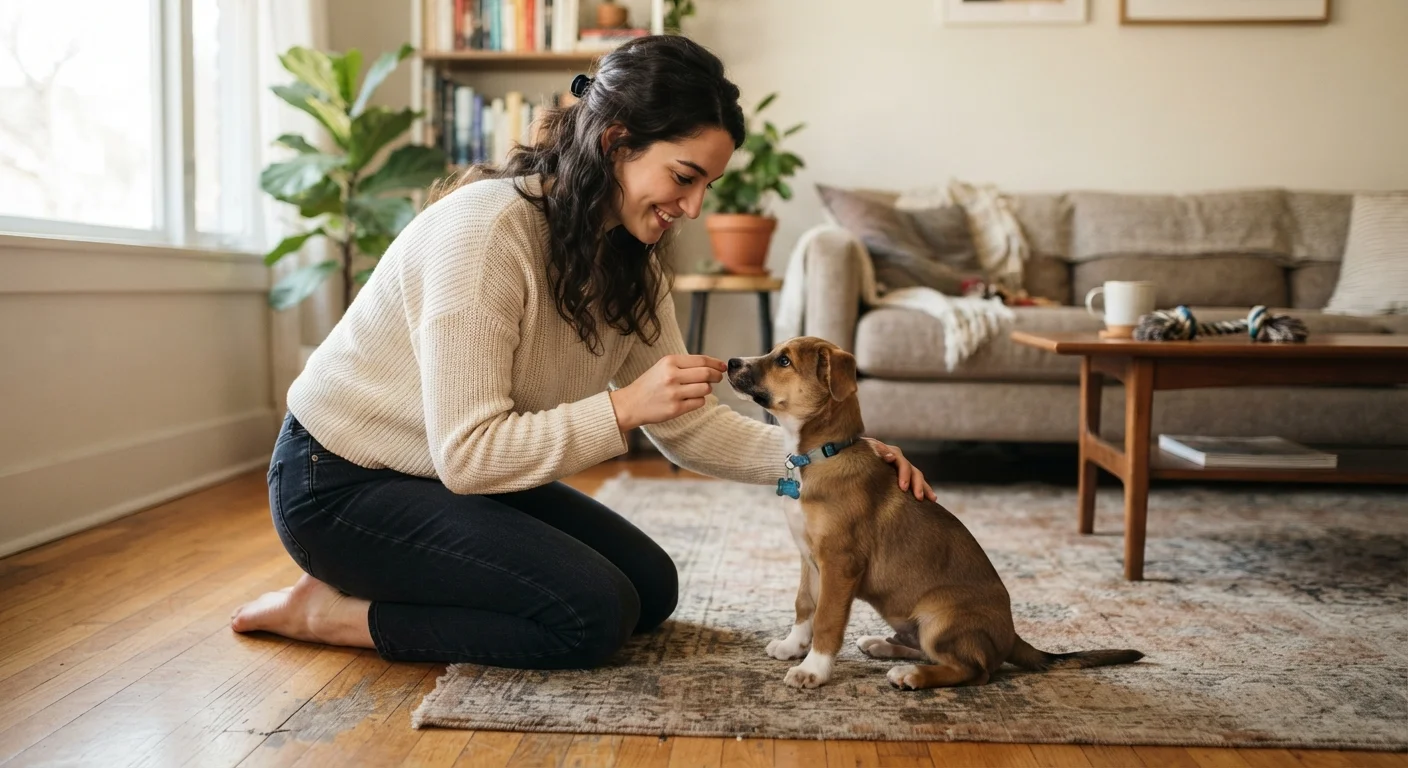
Photo credit: ResultsRover.com | Insights You Can Trust
In this article
Inconsistent schedules, skipped socialization, and over-correction — the most common early missteps with a new dog and how to sidestep them.
Key Takeaways
- Inconsistent daily routines are one of the biggest predictors of early behavior problems in new dogs.
- The socialization window in puppies closes around 12–16 weeks, making early exposure critically important.
- Over-correcting a dog without rewarding good behavior slows learning and can increase anxiety.
- Skipping the first vet visit in the early weeks delays essential preventive care and baseline health screening.
- Most first-90-day mistakes come from misreading normal dog stress signals as disobedience.
Why the First 90 Days Are So Consequential
Bringing a dog home triggers an adjustment period — for both of you. Dogs are pattern-seeking animals, and the habits, boundaries, and social experiences they encounter in those first three months form a behavioral blueprint that is genuinely difficult to rewrite later. Most new owners don't fail because they don't care; they fail because common instincts — like comforting a fearful dog, skipping one training session, or letting rules slide "just this once" — quietly accumulate into lasting problems.
Understanding what typically goes wrong in this window is one of the most time-efficient investments you can make as a new owner. See our first-week behavior checklist for a structured starting framework before diving into the mistakes below.
The Most Common Early Mistakes — and How to Fix Them
The errors below are drawn from widely observed patterns in new dog households. None of them make you a bad owner — they make you a normal one. The goal is simply to catch them before they calcify.
Skipping a consistent daily schedule for feeding, walks, and sleep.
Why it happens: New owners often assume dogs adapt to a flexible household schedule the way humans do. Life gets busy, and rigid timing feels unnecessary.
Missing the early socialization window by keeping the puppy home "until all vaccines are done."
Why it happens: Owners understandably want to protect a young puppy from illness, so they wait. But the socialization period closes around 12–16 weeks — well before the full vaccine series is typically complete.
Correcting unwanted behavior without consistently rewarding the behavior you want instead.
Why it happens: When a dog jumps, chews, or barks, the instinct is to stop the action. Owners focus on the "no" and forget that the dog needs an equally clear picture of what "yes" looks like.
Letting rules slide in the first week because the dog "is still settling in."
Why it happens: New owners feel guilty enforcing rules during what seems like a vulnerable transition. Boundaries feel harsh when a dog is clearly nervous.
Delaying the first veterinary visit past the first two weeks.
Why it happens: Owners often assume a vet visit is only needed when something is wrong. The dog seems healthy, and scheduling feels low priority.
Misreading stress signals as bad behavior and responding with escalating correction.
Why it happens: A dog that's cowering, yawning repeatedly, licking lips, or refusing to eat is often communicating stress — but these signals are widely mistaken for stubbornness or defiance.
For a deeper look at how dogs communicate discomfort and stress during this adjustment window, see what new owners get wrong about animal body language — misreading these signals is closely linked to several of the mistakes above.
Building Habits That Actually Stick
12–16 weeks
When the puppy socialization window typically closes
Veterinary behaviorists widely cite this developmental range as the primary socialization period, after which fear responses become harder to modify.
~3 weeks
Average adjustment period for a new dog
The "3-3-3 rule" — 3 days to decompress, 3 weeks to learn routine, 3 months to feel at home — is a commonly referenced framework among rescue organizations and trainers.
Consistency doesn't require perfection — it requires predictability. Dogs adapt quickly when feeding times, walk schedules, and sleep locations follow a recognizable rhythm. If your household is busy, building a consistent daily dog care routine is one of the highest-leverage moves you can make in the first 90 days.
Equally important is not skipping foundational health steps. The first-time pet owner's health checklist covers vaccinations, parasite prevention, and your first vet visit — all of which have timing implications that don't wait for a convenient week. Review vaccine timing guidelines so you're not inadvertently leaving gaps in early protection.
Punishment-Based Methods Can Backfire Quickly
Physical corrections, loud scolding, or aversive tools applied in the first 90 days — when a dog's stress levels are already elevated — can create fear-based behavior problems that outlast the original issue. If you're struggling with a specific behavior, consult a certified professional trainer or veterinary behaviorist before escalating your approach.
If leash manners are already showing early strain, understanding the instinct behind the behavior is the right place to start. Why dogs pull on the leash explains the reinforcement patterns driving this behavior before you attempt to change them.
This article is for general informational and educational purposes only and is not a substitute for professional veterinary or certified trainer guidance. Consult a licensed veterinarian or credentialed animal behaviorist for concerns specific to your dog's health or behavior.

Author
Pets & Animals Editorial Team
Pets & Animals Editorial Team is the collective byline for our editorial team and contributor network. Articles published under this byline or an editorial pen name are researched, written, and reviewed according to our editorial standards for clarity, consistency, and independence before publication.
View all articles →