
Dog Vaccinations: A Schedule Every Owner Should Understand
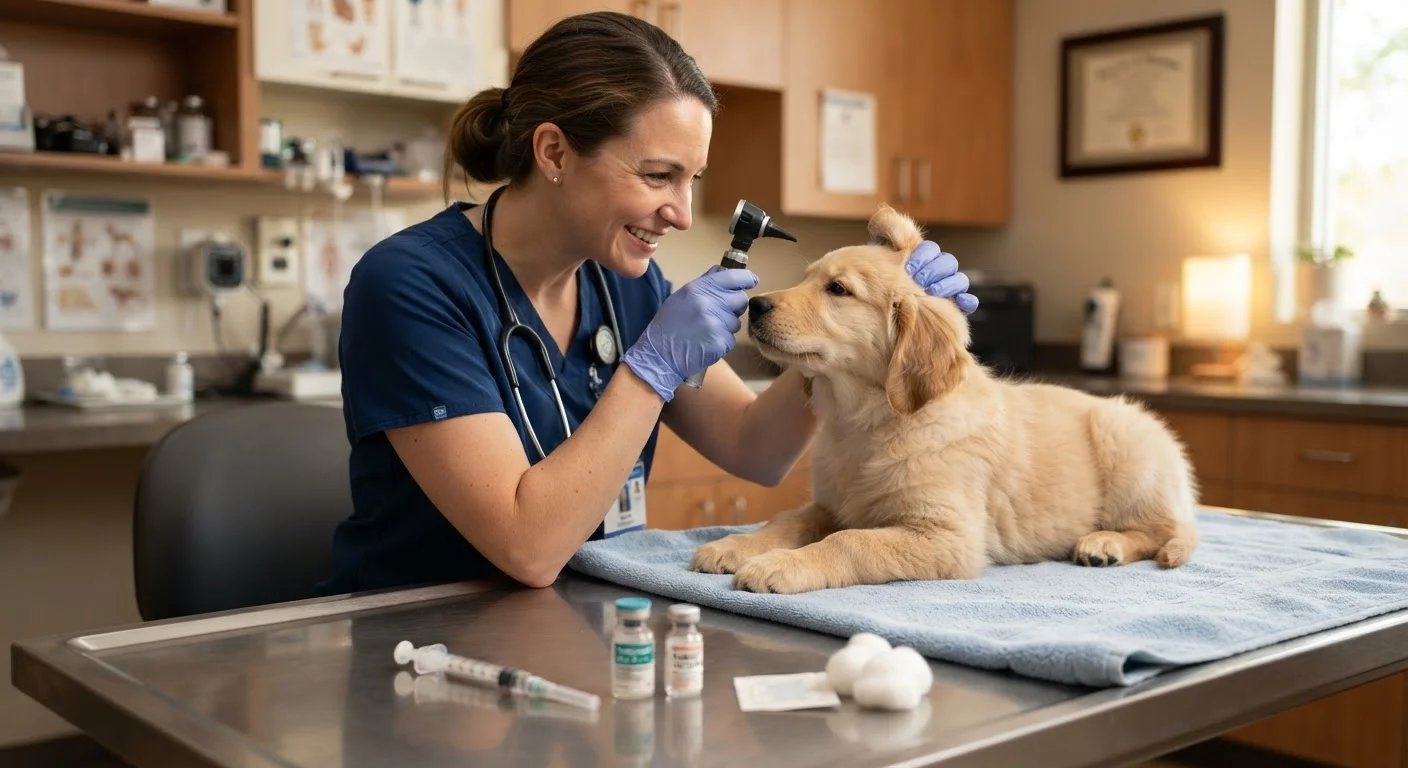
Photo credit: ResultsRover.com | Insights You Can Trust
In this article
Core vs. non-core vaccines, puppy timelines, and adult boosters — a clear breakdown of what dogs need and when, informed by veterinary guidelines.
Core vs. Non-Core Vaccines: What Every Dog Needs
Veterinary guidelines divide dog vaccines into two categories: core and non-core. Understanding the difference helps you have more productive conversations with your vet and avoid confusion at appointments.
Core vaccine
A vaccine recommended for all dogs regardless of lifestyle, because the disease it prevents is widespread, severe, or a public health risk. Examples include rabies, distemper, parvovirus, and adenovirus.
Non-core vaccine
A vaccine given based on a dog's individual exposure risk — such as geographic location, boarding frequency, or outdoor activity. Common examples include Bordetella, Lyme disease, and Leptospirosis.
DA2PP (DHPP)
A combination vaccine that protects against Distemper, Adenovirus (Hepatitis), Parainfluenza, and Parvovirus in a single injection. It forms the backbone of most puppy vaccine series.
Booster
A follow-up dose given after the initial vaccine series to maintain or renew immunity. Boosters may be required annually or every three years depending on the vaccine type.
Maternal antibodies
Temporary immune protection passed from a mother to her puppies through colostrum (early milk). These antibodies fade over the first weeks of life, which is why a series of puppy vaccines is necessary.
Titer test
A blood test that measures the level of antibodies in a dog's system for a specific disease. Some veterinarians use titer testing to assess whether a booster is needed rather than vaccinating on a fixed schedule.
Core vaccines are recommended for every dog regardless of lifestyle or location because the diseases they prevent are either highly contagious, potentially fatal, or transmissible to humans. The American Animal Hospital Association (AAHA) lists the following as core for dogs:
- Rabies — legally required in most U.S. states
- Distemper — a serious viral illness affecting the respiratory, gastrointestinal, and nervous systems
- Parvovirus — a highly contagious and often fatal gastrointestinal disease
- Adenovirus (Hepatitis) — protects against infectious canine hepatitis
These four are commonly combined into a single injection called the DA2PP (or DHPP) vaccine, simplifying the puppy schedule considerably.
Non-core vaccines are recommended based on a dog's individual risk factors — where they live, how they socialize, and what environments they frequent. Your vet will assess these during wellness visits. Common non-core vaccines include Bordetella (kennel cough), Leptospirosis, Lyme disease, and Canine influenza. For a broader look at how vaccination fits into overall preventive care, see our guide to preventive care schedules.
The Puppy Vaccination Timeline
Puppies are born with some maternal antibodies, but these fade between 6 and 16 weeks of age — which is exactly why a series of vaccines is necessary rather than a single shot. Spacing them out ensures protection kicks in as maternal immunity wanes.
| Puppy series start age | 6–8 weeks (AAHA Canine Vaccination Guidelines) |
| Core vaccines for all dogs | Rabies, Distemper, Parvovirus, Adenovirus (American Animal Hospital Association (AAHA)) |
| DA2PP booster frequency (adults) | Every 3 years after initial series (AAHA Canine Vaccination Guidelines) |
| Rabies vaccine frequency | Every 1–3 years (varies by state law and vaccine type) (Varies by jurisdiction) |
| Common non-core vaccines | Bordetella, Leptospirosis, Lyme, Canine influenza (AAHA Canine Vaccination Guidelines) |
| Vaccine record requirement | Required by most boarding, grooming, and dog park facilities (General industry standard, U.S.) |
A typical puppy schedule follows this general pattern:
| Age | Vaccines Typically Given |
|---|---|
| 6–8 weeks | DA2PP (first dose); Bordetella if at risk |
| 10–12 weeks | DA2PP (second dose); Leptospirosis (first dose if recommended) |
| 14–16 weeks | DA2PP (third dose); Rabies; Leptospirosis booster |
| 12–16 months | DA2PP booster; Rabies booster |
Missing a dose or waiting too long between doses can leave a window of vulnerability. If your puppy's schedule has lapsed, your vet can determine whether the series needs to restart. This is one of the common missteps new owners make — learn more in what new dog owners tend to get wrong in the first 90 days.
Note: During the puppy vaccine series, socialization opportunities should be managed carefully. Controlled, low-risk environments are generally considered safe before the series is complete. Discuss timing with your vet, and see our puppy socialization guide for practical guidance.
Adult Dog Boosters and Ongoing Schedule
Once a dog completes the puppy series, vaccines shift to a maintenance schedule. Booster frequency depends on the specific vaccine and your state's legal requirements.
~6,000
Rabies cases in U.S. animals annually
According to the CDC, wildlife accounts for the majority of rabies cases, reinforcing why rabies vaccination is legally required for dogs in most states.
Up to 91%
Parvovirus fatality rate in unvaccinated puppies without treatment
The American Veterinary Medical Association (AVMA) notes that parvovirus is highly lethal in unvaccinated dogs, particularly young puppies, making vaccination critical.
Every 3 years
DA2PP booster interval for most healthy adult dogs
AAHA guidelines support a 3-year interval for the core DA2PP combination vaccine in adult dogs that have completed the puppy series and first adult booster.
General adult booster guidelines (per AAHA):
- Rabies: Every 1–3 years depending on the vaccine used and local law
- DA2PP: One year after the puppy series, then every 3 years for most adult dogs
- Non-core vaccines (e.g., Bordetella, Leptospirosis): Often annually or every 6 months for high-exposure dogs
Keep Your Own Vaccine Records
Don't rely solely on your vet's office to track vaccine history. Request a printed or digital copy after each visit and store it somewhere accessible. Many boarding facilities, groomers, and interstate travel situations require proof of current vaccinations — often on short notice. A simple folder or pet health app can save significant hassle.
Keep a written or digital record of your dog's vaccine history, including the brand, lot number, and date of each vaccine. This is particularly important when boarding, traveling across state lines, or visiting a groomer — most facilities require proof of current vaccinations. Your vet's office typically maintains this record, but having your own copy saves time. For a complete checklist of what to track, see the first-time pet owner's health checklist.
This article is for general informational purposes only and is not a substitute for veterinary advice. Vaccine protocols may vary by region, individual health status, and updated clinical guidelines. Always consult a licensed veterinarian for guidance specific to your dog.

Author
Pets & Animals Editorial Team
Pets & Animals Editorial Team is the collective byline for our editorial team and contributor network. Articles published under this byline or an editorial pen name are researched, written, and reviewed according to our editorial standards for clarity, consistency, and independence before publication.
View all articles →